
Cancer Treatments
The LMH Health Cancer Center provides a comprehensive range of cancer treatments, including chemotherapy, radiation therapy, and surgery. A multidisciplinary team of board-certified cancer specialists meets regularly to review each case and recommend a coordinated, individualized treatment plan.
Table of Contents
Multidisciplinary Tumor Conference
Our doctors meet each week for a multidisciplinary tumor conference. During these meetings, your oncologist discusses your cancer with other specialists – including pathologists, surgeons, radiologists, and primary care doctors.
This collaboration allows your oncologist to get other opinions about the best care for you. You benefit from these conferences by receiving a more integrated, personalized care plan to treat your type of cancer.
Cancer Treatments
Chemotherapy
Chemotherapy uses drugs that destroy cancer cells by interfering with their ability to grow and divide. Your doctor may use chemotherapy drugs alone or in coordination with radiation and surgery. You can receive chemotherapy by mouth, intravenously or through an injection.
If chemotherapy is part of your personalized treatment plan, you will attend an education class. You’ll learn about chemotherapy, side effects and ways to care for yourself during treatment.
Immunotherapy
Immunotherapy triggers your natural immune system to target and eliminate cancer cells. Certain types of cancer are more responsive to immunotherapy, and your doctor will decide if it is right for your treatment plan.
Targeted therapy
These therapies destroy cancer cells without affecting normal, non-cancerous cells by targeting abnormal proteins on cancer cells fundamental to cancer cell growth.
Hormone therapy
Hormone therapy may involve taking medication, having surgery, or both. Some hormones help cancer cells grow, while others kill cancer cells or stop their growth. We will help you manage and treat the side effects of medication.
Radiation therapy
Radiation therapy delivers radiation to precise, targeted cancerous tumor locations to shrink or destroy cancer cells.
Blood Treatments
Cancer treatments often stop your body from working as it normally does. When that happens, your body may need support and blood-related treatments such as:
- Blood transfusions to replace blood lost through injury, surgery, or disease during your treatment.
- Erythropoietin-stimulating (EPO) agents help make red blood cells to treat anemia.
- Phlebotomy removes iron-rich blood to prevent damage to your organs.
Surgery
Your doctor may decide you need surgery as part of your cancer treatment plan. During surgery, our board-certified surgeons may remove lymph nodes or check for tumors.
Meet Our Care Team
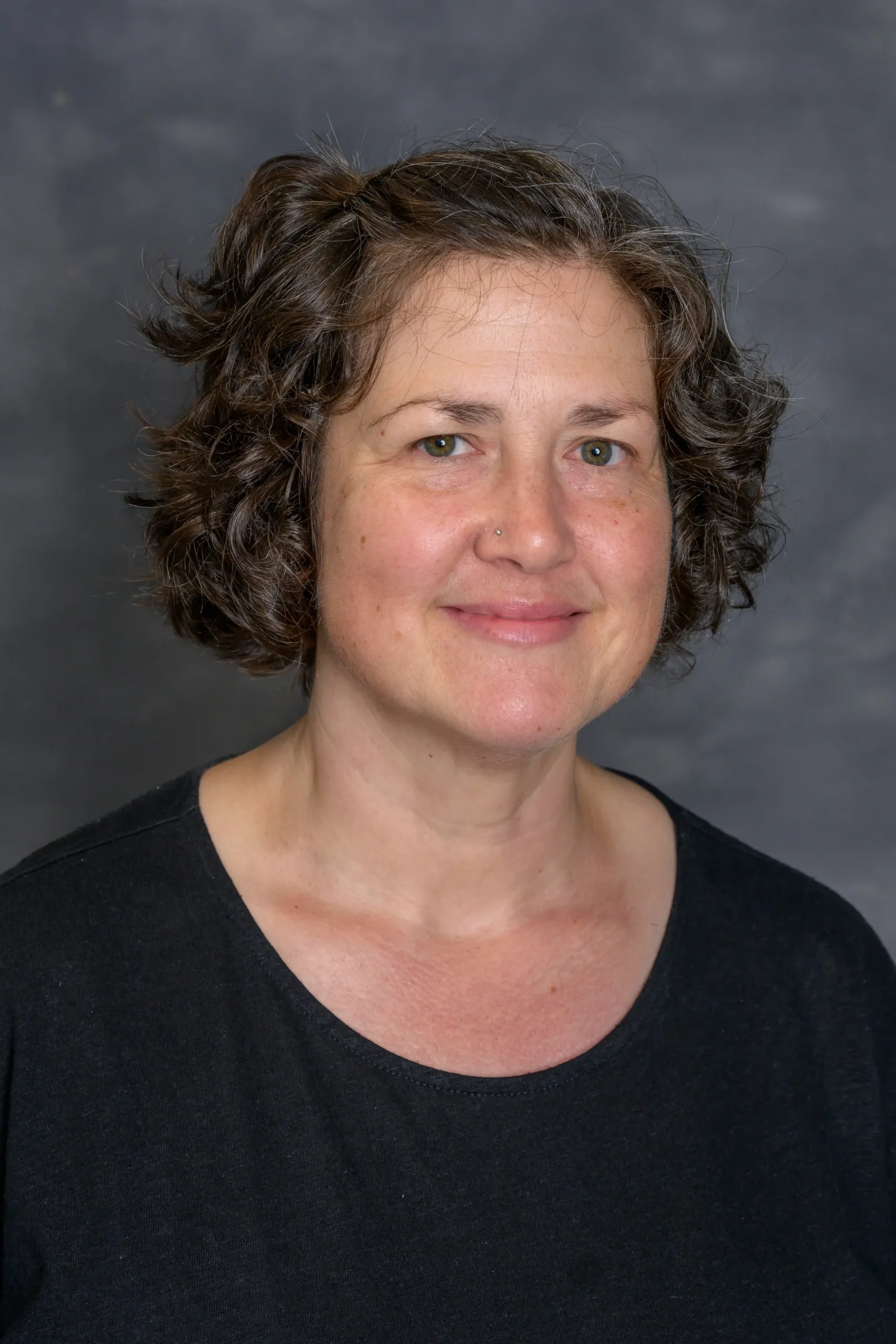
Jodi Palmer, MD
Hematology
Dr. Palmer is board certified in internal medicine, hematology and medical oncology. She earned a bachelor's degree in biochemistry from the University of Kansas. She earned a doctor of medicine degree from the University of Kansas School of Medicine. She completed an internal medicine residency at Scripps Mercy Hospital, San Diego, California. Following that she completed a three-year hematology and oncology fellowship at Wake Forest Baptist Medical Center in Winston-Salem, North Carolina.
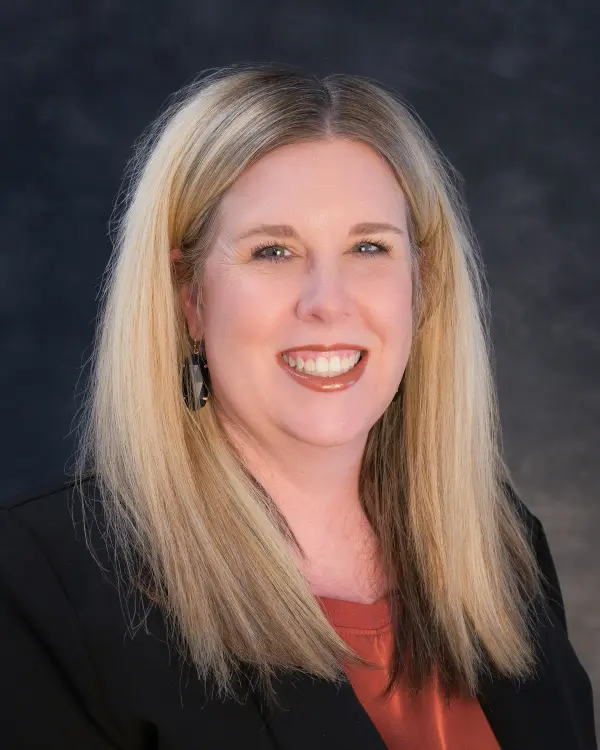
Jodie Barr, DO
Hematology
"One of my favorite parts about being an oncologist is being there for my patients. This is one of the most difficult times of their lives and being able to support them through their diagnosis and their survivorship is very rewarding."
Dr. Jodie Barr is board certified in internal medicine, hematology and oncology. She completed her undergraduate degree in chemistry at McNeese State University in Lake Charles, Louisiana and earned her medical degree from the Kansas City University of Medicine and Biosciences. Dr. Barr completed an internal medicine residency at Exempla Saint Joseph Hospital in Denver and an oncology/hematology fellowship at the University of Kansas Cancer Center in Westwood. She is also the medical chairman of the LMH Health survivorship program.
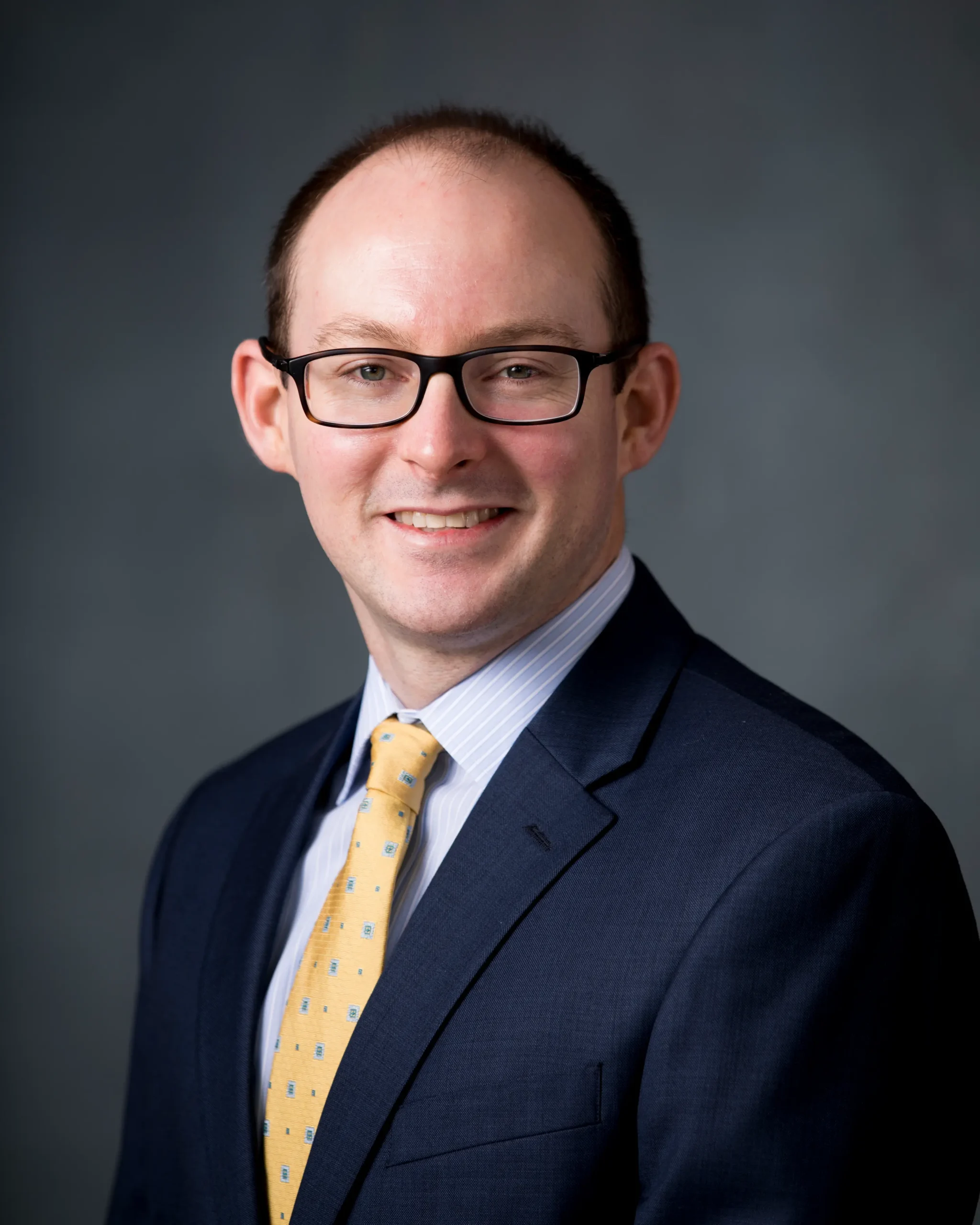
Andrew Meyer, DO
Hematology
Dr. Andrew Meyer is board certified in internal medicine, medical oncology and hematology. He earned a bachelor’s degree in psychology from the University of Arizona in Tucson and a medical degree from Midwestern University in Downers Grove, Illinois. Dr. Meyer completed his internal medicine residency and hematology/oncology fellowship at Advocate Lutheran General Hospital in Park Ridge, Illinois.
He wants his patients to know that he values shared decision-making. Dr. Meyer strives to work alongside his patients using his clinical expertise combined with the preferences and comfort levels of his patients.

Other Services

Lymphedema Management
Specialized care for swelling caused by lymphedema in arms or legs
Cancer Survivorship Program
Health monitoring and support for cancer survivors after treatment
Cancer Genetic Testing
Hereditary cancer risk assessment with genetic counseling and testing
Cancer Screenings & Diagnosis
Cancer screening and diagnostic tests for early detection