
Colonoscopy
A colonoscopy is a procedure that examines the lining of the colon for abnormal tissue, polyps, and early signs of colorectal cancer. Recommended every ten years starting at age 45 (or earlier based on personal or family history), it is considered the most thorough method for colorectal cancer screening and prevention.
Table of Contents
Known as the gold standard for colon cancer testing, a colonoscopy is the most thorough screening for prevention and early detection. With a colonoscopy, your doctor can spot early warning signs and remove polyps before they turn into colorectal cancer. Colonoscopies give you the best chance of prevention or early detection, when treatment is usually more successful. In fact, when caught before it spreads to other parts of the body, the five-year survival rate for colon cancer is 90 percent.
It’s estimated that without any colorectal cancer screening, about 1 in 18 Americans will have colorectal cancer at some point in their life.
Screening colonoscopies detect and help prevent cancer
People who keep up with their screenings are significantly less likely to have colon cancer. In the United States, the rates of colon cancer have declined as more people seek timely colorectal screenings. And yet, in Kansas, roughly one-third of all adults age 50+ do not get properly screened for colorectal cancer. That number is better than the national average, but there is still room for improvement.
Colon Cancer Risk Factors
According to the American Cancer Society, you might be able to lower your risk of colorectal cancer by managing some of the risk factors you can control, such as diet and physical activity. Here are some tips that may help lower your risk:
• Stay at a healthy weight and avoid weight gain around your midsection
• Increase the intensity and amount of your activity
• Limit red and processed meats, and eat more fruits and vegetables
• Avoid excess alcohol
• Quit smoking
Colonoscopy Prep Instructions
Getting ready the right way is important for your colonoscopy. Proper prep helps your doctor see clearly and keeps your visit on schedule. Follow your practitioner’s instructions exactly.
Meet Our Care Team

Charles Brooks, MD
Gastroenterology
Dr. Brooks is board certified in internal medicine and gastroenterology. He earned his medical degree from the University of Kansas School of Medicine, where he completed his residency training in internal medicine. He completed a Fellowship in general internal medicine at the University of Kansas and a Fellowship in Gastroenterology at the University of Louisville in Kentucky. He is a member of the American Gastroenterology Association and the American Society of Gastrointestinal Endoscopy.

Alka Hudson, MD
Gastroenterology
Alka Hudson, MD, earned her undergraduate degree from Brown University and her medical degree from the University of Texas Health Science Center at San Antonio. She completed her internal medicine residency and gastroenterology fellowship at Baylor University Medical Center.
Board certified in both internal medicine and gastroenterology, Dr. Hudson is also a diplomat of the American Board of Obesity Medicine. She began practicing gastroenterology in the Kansas City metro in 2010 and joined Lawrence GI Consultants in 2024.
Dr. Hudson has been recognized multiple times by Castle Connolly, receiving the honor of Top Doctor in Gastroenterology in Kansas City and being named to their Exceptional Women in Medicine list.
Dr. Hudson chose gastroenterology because it perfectly blends clinical and procedural medicine.
“One of the things I enjoy most about my work is the diversity of patients I see. Being part of my patients’ journeys—whether through preventative screenings or treating chronic diseases—allows me to make a meaningful impact in their lives and the broader community.”
Fluent in Spanish, Dr. Hudson is also the mother of two vibrant children who keep her busy outside of work.
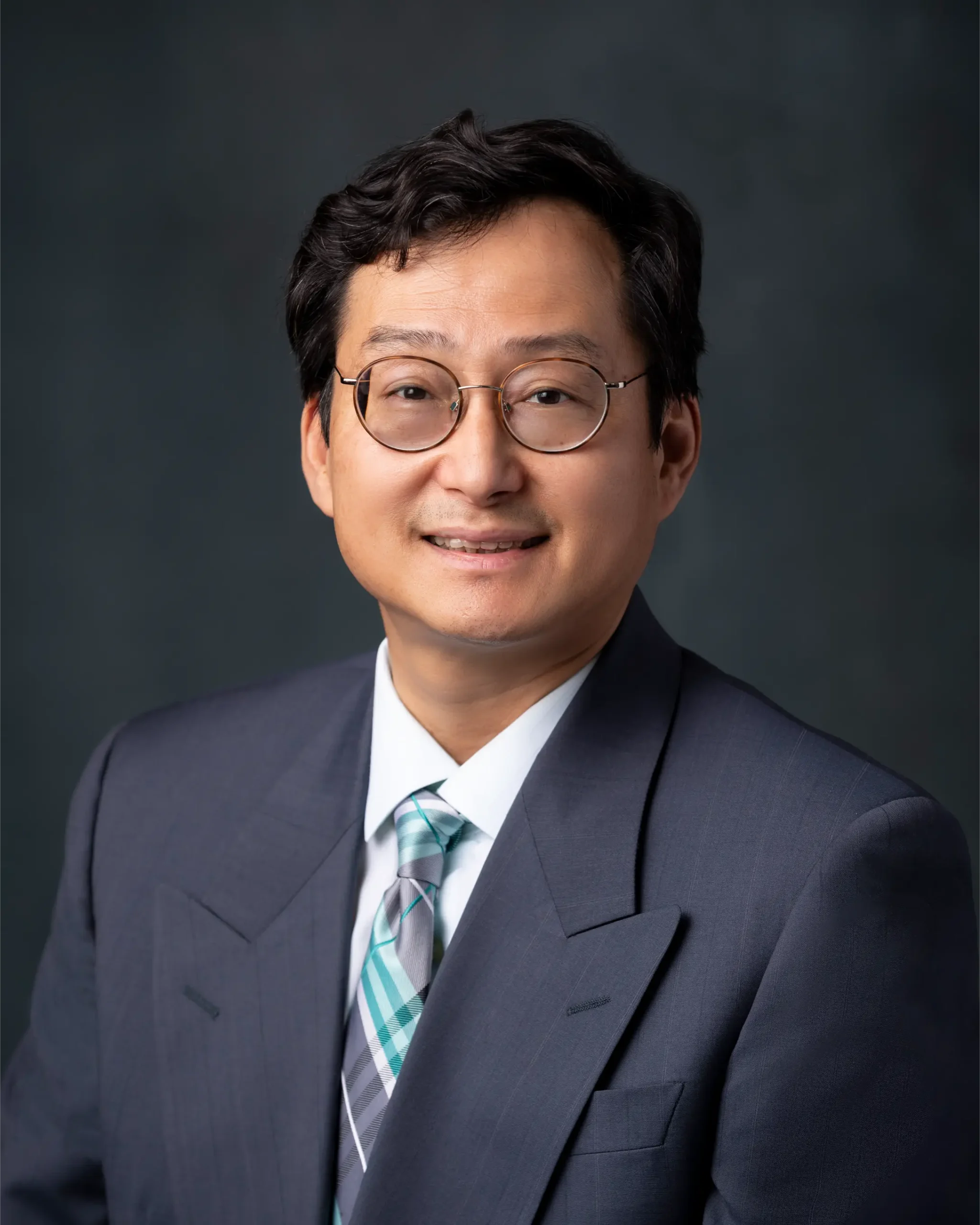
James Kim, MD
Gastroenterology
James W. Kim, MD, earned his undergraduate degree at the City College of the City University of New York and his medical degree from the College of Medicine at SUNY Health Science Center at Syracuse. He completed his residency through the Brown University program in internal medicine and his fellowship at Long Island Jewish Medical Center. Dr. Kim is board certified in gastroenterology and is an active member of the American College of Gastroenterology, American Gastroenterological Association and the American Society of Gastrointestinal Endoscopy.
Dr. Kim chose to work in medicine after being introduced to a medical program by a group of friends and working in a hospital during high school. His passion for patients and GI has led to a career that spans over 20 years.
“After doing a GI rotation, I realized all the different ways I could help my patients. All those ways excited me.”
His special interests include various esophageal disorders including GERD, eosinophilic esophagitis, achalasia, irritable bowel syndrome, cancer screenings, celiac disease, Hepatitis B and C, and Crohn’s disease.
Prior to joining LMH Health, Dr. Kim worked at Saint Luke’s. He wanted to be where patients and a community really needed a GI specialist, such as a community hospital.
“I want to be able to talk to my patients on a first name basis and assure them that procedures are being done as a preventative measure.”
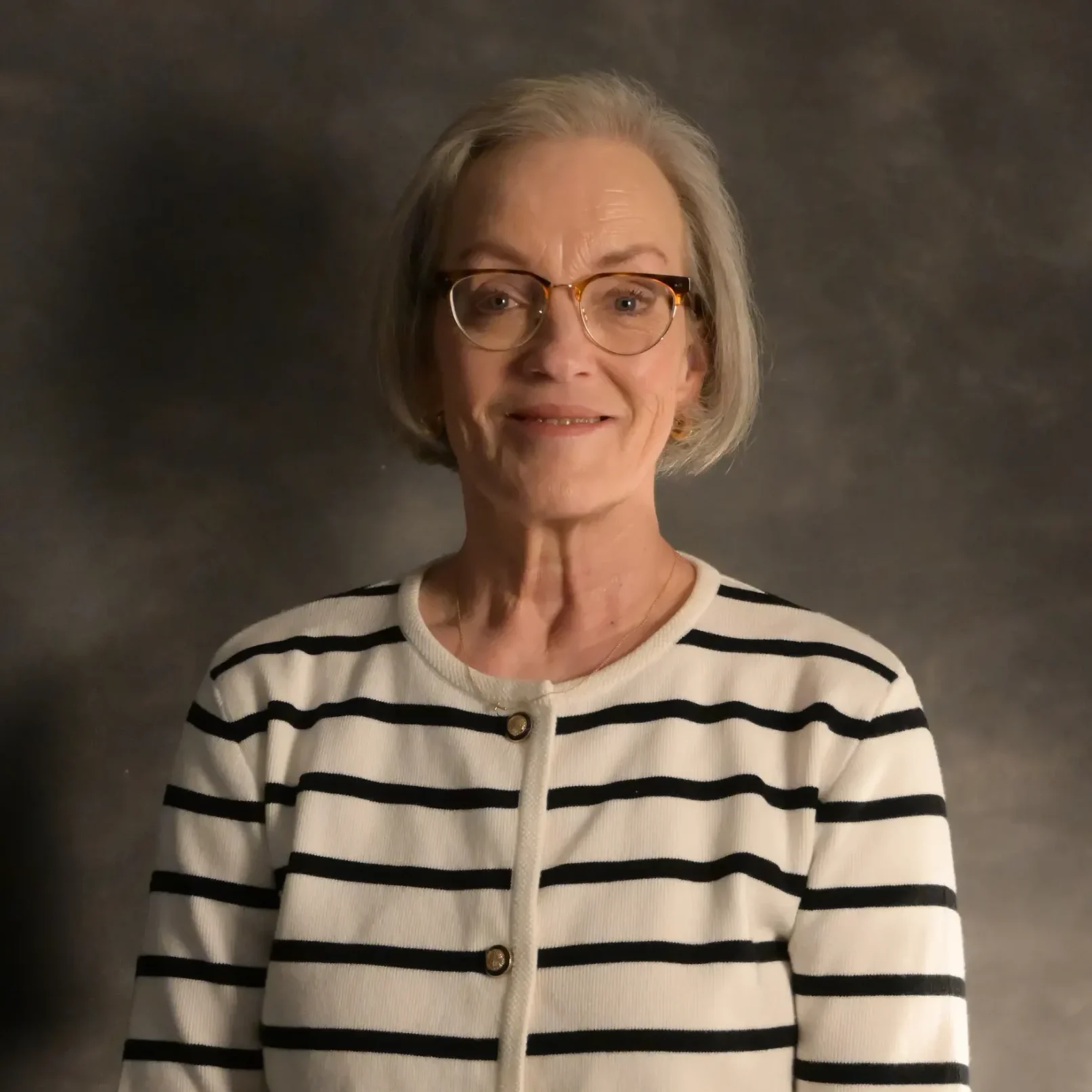
Teresa M. King, MD
Gastroenterology
She is a board-certified internist and Gastroenterologist, and she focuses her practice exclusively on gastroenterology. She completed her medical degree, residency and fellowship training at the University of Kansas School of Medicine.
Other Services
Imaging Services (Radiology)
Diagnostic imaging: X-ray, CT, MRI, ultrasound, and nuclear medicine
Magnetic Resonance Imaging (MRI)
MRI services for cancer, stroke, cardiac, and musculoskeletal imaging
Computed Tomography (CT)
CT scanning for accurate diagnosis of organs, bones, and tissues

Positron Emission Tomography (PET)
PET/CT imaging for cancer staging, cardiac, and brain evaluation
Lab Services at LMH Health
On-site laboratory testing for accurate, timely diagnostic results