
Physical therapists share their “why”
When you think of physical therapy, what do you picture? Is it a professional athlete recovering from an injury or a stroke survivor working to regain their mobility? Physical therapists are experienced, licensed professionals dedicated to helping patients reduce pain, improve function and mobility and achieve their goals. They work with all types of people, from pediatrics to geriatrics, to help you recover from injuries and other physical conditions and return to the lifestyle you love.
Inspiration from the community
Corey Koester thought about working in healthcare from a young age. He was always interested in science, anatomy and physiology, but it was an experience with his father that piqued his interest in physical therapy.
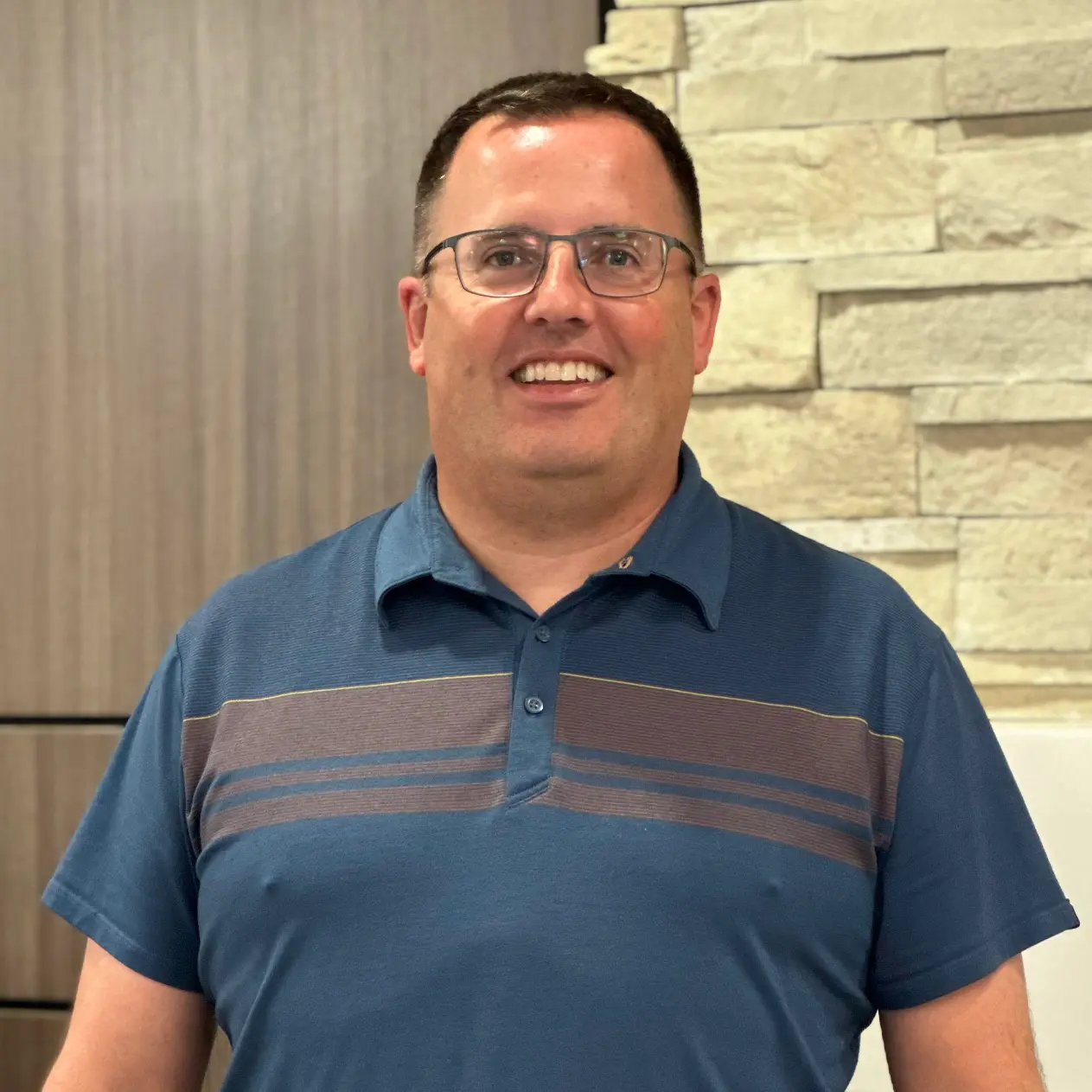
Corey Koester
“My dad was a special education teacher at a year-round school. One of his good friends was the physical therapist at the school, so I’d go there in the summer and watch her working with kids. I had an interest right away,” he explained. “When we had career day in junior high, I went to the athletic training office at KU.”
Koester, who grew up in Lawrence, attended the University of Kansas and then earned his physical therapy degree from the University of Kansas School of Medicine. He thought that he’d like to work with pediatric patients, but life had another plan. He’s been working with geriatric patients at LMH Health on the inpatient rehab and transitional care unit for more than 24 years.
“I want to be able to make connections with my patients so they feel seen and heard. That’s what we provide at LMH Health – a personal touch,” he said. “You can take pride in clinical skills, but I also take pride in personal skills. I see some patients for more than an hour a day and really get to know them. I love that part of my job.”
Big city care in a small town
Lydia Owsley has been interested in healthcare since she was young. Positive interactions with physical therapists as early as age 10 and her experience as an Olympian really set her dream in motion.
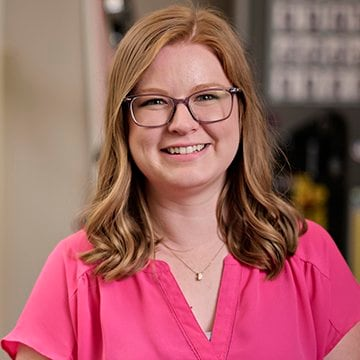
Lydia Owsley
“I competed in the 2016 games in Rio in air pistol shooting, and we had a team PT that would travel with us to competitions,” she said. “I was 19 when I placed 29th in the Olympics. Afterward, I retired from competition to go to PT school.”
After attending undergraduate and graduate school at the University of St. Mary in Leavenworth, Owsley and her husband have settled into small-town life in Linwood. She joined LMH Health Therapy Services in Tonganoxie in May 2022, working with a variety of patients in a smaller setting.
“We see a broad spectrum of patients from seven or eight years old to the end of life,” she said. “That’s what I enjoy about rural medicine. We see everything from orthopedic and sports injuries to neurological conditions in people recovering from a stroke. It’s wonderful to have this specialty care at smaller clinics so patients don’t have to drive far to receive great care.”
Owsley also enjoys the opportunity to interact with patients out in the community. Whether it’s at the grocery store, a farmers market or at the Leavenworth County Fair parade, she shared that she feels incredibly lucky to be able to have those experiences.
“Being able to connect with members of the community has been a great experience. These relationships lead to a word-of-mouth referral system,” she explained. “I’ve treated multiple members of the same family. One month I’m treating grandma and now they’re bringing their grandchildren. It’s so rewarding knowing that patients had a great experience and trust our care.”
Sports medicine
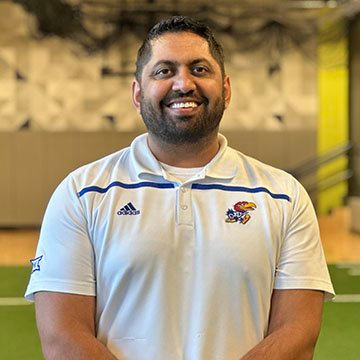
Deva Bonnel
Deva Bonnel always wanted to work in healthcare and knew that helping patients along the continuum of rehabilitation would be a good fit. Working with orthopedic and sports medicine patients at the LMH Health West Campus provides a fun, fast-paced environment.
“It’s rewarding to help people recover from an injury. You’re able to see where they started and use objective measurements to see how far they’ve come,” he said. “You see them being able to get off the floor more easily, go to practice without experiencing any pain and do it all without thinking about it.”
Helping patients return to an active lifestyle, whether it’s playing sports or running around with their grandchildren, is one of the best aspects of the job. Connecting with people and interacting with everyone from patients to peers, including physicians and other practitioners, makes Bonnel’s days fun and rewarding.
“It’s amazing to work with such a good group of people. The patients are great. They all want to come in and just get better,” he said.
Giving back
As a student-athlete at the University of Kansas, Renee Rettele had the opportunity to spend time with the school’s athletic trainers when she was injured and couldn’t play tennis. That experience gave her the chance to learn more about their profession, as well as physical therapy.
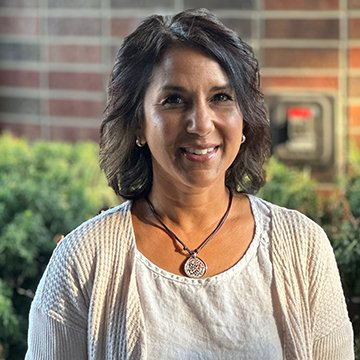
Renee Rettele
“I’d already been thinking about going to medical school after graduation. The time I spent in the training room allowed me to learn about the relationships you develop with patients,” she said. “I learned that you’re able to help at a different level and really have the time to get to know them.”
Now as a physical therapist at LMH Health’s 6th and Maine location, Rettele works with a variety of patients, from those with musculoskeletal issues, joint replacements and neurological disorders to others still getting back to daily life after the COVID pandemic.
“I get to treat people individually and work with them to meet their goals. I tell them, ‘We’re partners and I want your feedback,’” she said. “Seeing my patients have success, helping them feel better and get back to doing what they were before their injury is what I enjoy. I like seeing them get back to the activities that fulfill them.”
Working hands-on with patients isn’t the only aspect of Rettele’s job that’s kept her at LMH Health since 1997. She also works as the Site Coordinator of Clinical Education for LMH Health Therapy Services. This is a role recognized by the American Physical Therapy Association (APTA). As the coordinator, she works with educational programs to place physical, occupational and speech therapy students within the health system.
“We have partnerships with a lot of different therapy programs across the region and the country, from KU and Wichita State to Notre Dame and Marquette,” Rettele explained. “And a lot of students come to us for their clinical education. I’m glad to give back to the profession to get the students in here and teach them as clinicians.”
Joining the profession
With therapists specializing in pediatrics, geriatrics and everything in between, you’re sure to find the right fit with LMH Health Therapy Services clinics in Lawrence and the surrounding area. Visit lmh.org/therapy to learn more.
If you’re considering a career in physical therapy, each of these therapists agrees that it’s important to take a look at the breadth of opportunities within the profession. From providing care in an inpatient, outpatient or long-term care setting, physical therapists can choose to practice in a variety of settings.
“Do some observation in different environments,” Rettele said. “Try to get out there and volunteer or get a job as a physical therapy tech so that you get hands-on experience with the profession.”
Koester explained that sites provide different opportunities, both in the characteristics of the people you care for and the pace of the work.
“Working in a rehab unit like I do takes a lot of patience,” he said. “It can be too slow a pace for some people, and that’s okay. Figure out what appeals to you and what doesn’t.”
Finding the community and the workforce that will help you thrive is important for Owsley.
“I’ve always loved rural healthcare and filling the gap between these areas and bigger cities,” she explained. “I dive into work with the geriatric population and with vestibular therapy. Find that work environment that you love and that helps you bloom.”
Bonnel agrees. It’s vital to find out what you love and where you fit in. That makes an enormous difference in your life and the lives of your patients.
“You have to be passionate about what you do, no matter what career you choose,” Bonnel shared. “Physical therapy is great because you have a major impact on people. You make connections with your patients during these really impactful moments in their lives. It’s really rewarding to be a part of that.”
For media inquiries related to LMH Health contact:
Autumn Bishop – Marketing Manager and Content Strategist