
Wound Healing Center
The LMH Wound Healing Center has provides specialized wound care using evidence-based therapies for patients whose wounds have not healed through standard treatment.
Table of Contents
What conditions do we treat?
Our multidisciplinary team of board-certified physicians, nurses and technologists diagnose and treat many chronic and acute wounds, including:
- Diabetic foot ulcers
- Lower leg ulcers
- Pressure ulcers (bed sores)
- Bone infection/osteomyelitis
- Gangrene
- Burns
- Radiation burns
- Post-operation infections
- Slow or non-healing surgical wounds
- Brown recluse spider bite wounds
- Failed or compromised skin/muscle grafts or flaps
- Wounds lasting more than 30 days or failing to improve with multiple treatments and therapies
What treatments do you offer?
We offer a complete range of wound care patient services – from consultation to testing and treatment – and we are equipped with the latest in wound care diagnostic and treatment technology.
First, we get to know you and your condition
To provide a diagnosis and develop a specialized treatment plan, we evaluate your wound and look for other possible underlying medical factors. This may require additional tests, such as X-ray, MRI, CT scans, bone scans and biopsies, wound cultures, lab work or a doppler evaluation (ultrasound) of your pulse to determine if you have adequate blood flow to transport nutrients and medications to your wound. We will keep your primary provider or specialist informed, and we recommend that you continue regular visits with your doctor throughout the course of your treatment at the Wound Healing Center.
Wound Care Dressings and Debridement
Your wound type determines which dressings will create the correct environment for healing, and which type of treatment is best for you. Wound debridement is often necessary to remove dead tissue from the wound’s surface and stimulate the growth of healthy tissues for proper wound healing. There are several methods of debridement, and your LMH Wound Healing Center physician will determine the best method for your wound type.
Additionally, for diabetic foot and ankle wounds, offloading is an essential part of the treatment regimen. Offloading reduces pressure to the wound with special shoes or inserts, braces, casts, special mattresses and/or other modalities.
Hyperbaric Oxygen Therapy
Hyperbaric Oxygen Therapy (HBO) is an advanced treatment that increases the oxygen level in body tissues to kill germs and promote healing. Inside a clear, closed chamber, HBO applies 100% oxygen to provide wound tissues with up to three times more oxygen, which stimulates new blood vessel formation, enhances the effectiveness of antibiotics, and preserves injured tissue or compromised skin flaps.
Transcutaneous Oxygen Monitoring
Transcutaneous Oxygen Monitoring (TcPO2) is a non-invasive test that measures how much oxygen is available to the wound. Using leads placed on the affected area, we can measure microcirculation to determine wound healing potential and whether or not ischemia is a concern. In addition to TcPO2 testing, we may order arterial duplex studies to evaluate you for large vessel disease. Depending on your results, we will provide a referral to a vascular specialist if appropriate.
Meet Our Care Team
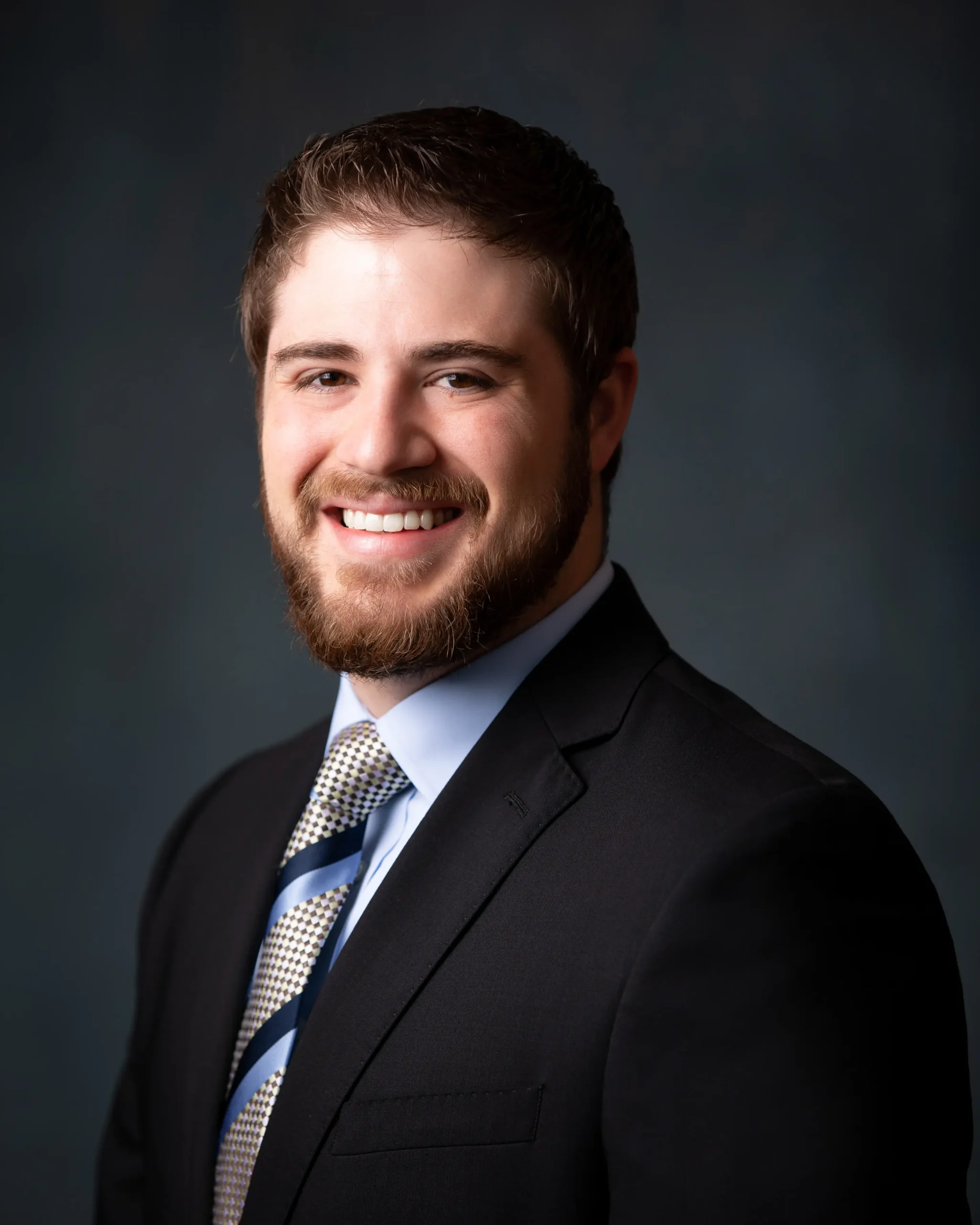
Taylor Neff, MD
Emergency Medicine
Taylor Neff, MD, earned his doctorate from the University of Kansas School of Medicine and completed an Emergency Medicine Residency at the University of Missouri Kansas City (UMKC). At UMKC, Neff served as Chief Resident from 2018-2019 and was recognized as the Outstanding Resident in 2018. He is a member of the American College of Emergency Physicians, American Academy of Emergency Medicine and American Medical Association.
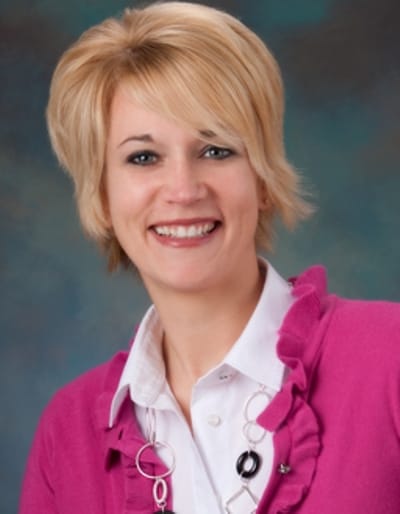
Toni Pittman, MD
Emergency Medicine
Toni Pittman, MD, is a clinician working in the LMH Health Emergency Department and at Lawrence Vein Specialists. She earned her medical degree from the University of Kansas School of Medicine. Dr. Pittman completed her residency at the Indiana University School of Medicine, working at Methodist Hospital Emergency Medicine and Trauma Center and Wishard Memorial Hospital. Her areas of interest include clinical emergency medicine, pre-hospital care, mass gathering medicine, phlebology and shock/trauma medicine.
Khylie L Wurdeman, MD
Emergency Medicine
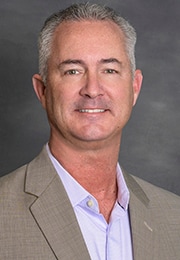
Kye P. Evans, DO
Wound Healing
Dr. Kye Evans didn’t set out to become an emergency medicine doctor. He fell into it by accident.
“I was working as an undergrad in the ER and they sent me to an Emergency Medical Technician course. I loved the constant change and excitement, and I knew this is where I should be.”
After earning his medical degree from the Kansas City University College of Osteopathic Medicine and completing emergency medicine residency at the Maricopa Medical Center in Phoenix, Dr. Evans spent a number of years working in the emergency department. That’s where you can really see an overlap with wound and vein care.
“We see a lot of wounds and injuries in the ED that result in bad outcomes. One of the things we try to do in wound is limb salvage, trying to prevent loss of limb and limb amputations. It made a lot of sense for me to continue in that field and provide comprehensive care for those patients.”
Dr. Evans has worked at the LMH Health Wound Healing and Vein Center since 2011 and serves as the clinic’s medical director. The clinic specializes in caring for diabetic foot wounds, allowing patients to maintain their normal lifestyle.
“The care you receive in our clinic is unique. You have the same nurse with you the entire time throughout your visit. They stay with you through your procedures, follow you through your care, and you really develop a relationship.”
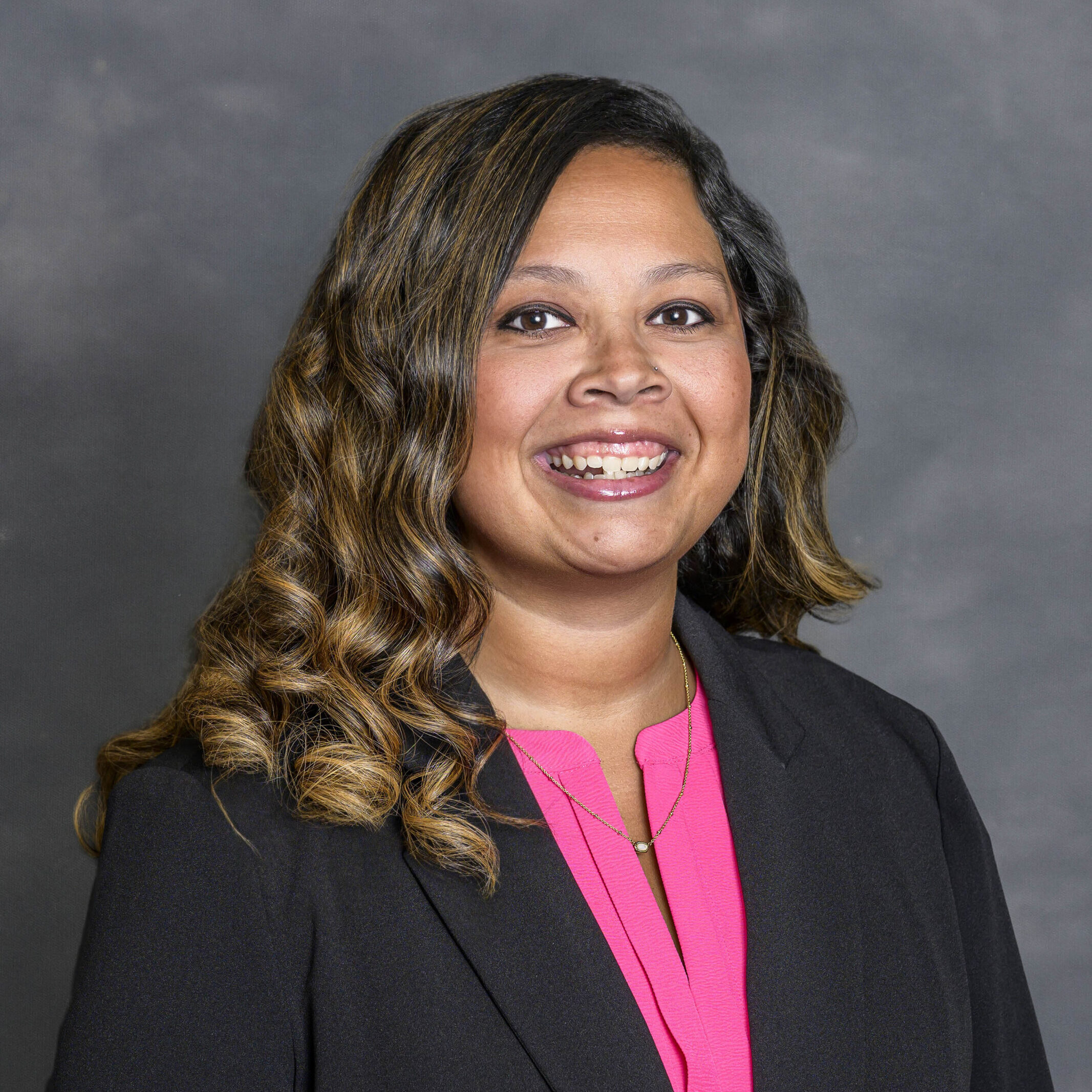
Dominique Hoover, APRN
Wound Healing
Other Services

Gastroenterology
Diagnosis and treatment of digestive and gastrointestinal disorders
Palliative Support Services
Symptom relief and comfort care for patients with serious illness
Heart & Vascular Care
Cardiology for heart disease, arrhythmias, and vascular conditions