
Breast Cancer
Breast cancer diagnosis typically begins with imaging, followed by a biopsy to examine tissue for cancer cells. The LMH Health Cancer Center provides personalized breast cancer treatment and support, working with each patient to determine the most appropriate care based on their diagnosis.
Table of Contents
Diagnosing Breast Cancer
A breast cancer diagnosis usually starts with a mammogram or another imaging test that shows unusual tissue in your breast. To find out if it’s cancer, a doctor may perform a biopsy. This exam uses a thin needle or minor surgical procedure to take a small sample of cells to examine in a lab. You’ll get an anesthetic (numbing medicine) to prevent pain, and you can go home right afterward.
Treating Breast Cancer
After a cancer diagnosis, you’ll likely have more than one choice of treatment plans. Trust us to recommend the best path forward based on your health, goals and stage (severity) of the condition.
Surgery
If surgery is part of your care plan, ask your surgeon which of these procedures may be best for your situation:
- Lumpectomy removes just the tumor and some surrounding tissue.
- Mastectomy removes the whole breast.
No matter which option you choose, you’ll be in the experienced hands of our dedicated breast surgeon. This expert has advanced, specialized training in caring for breast cancer patients.
Breast Reconstruction
After mastectomy or lumpectomy, you may choose to receive reconstruction surgery that restores the look and shape of breasts. Ask our plastic surgery specialists about the benefits of each of these options:
- Flap surgery transfers tissue from another part of your body into your chest.
- Implant surgery places saline-filled sacs in your chest.
- Oncoplastic reduction rearranges breast tissue to create a more natural look after lumpectomy.
With any of these procedures, you may also choose fat grafting. This type of surgery injects fat under the skin of your chest after removing it from another part of your body.
Most insurance plans cover breast reconstruction after mastectomy.
Radiation Therapy
Radiation therapy can destroy any breast cancer cells remaining after lumpectomy or mastectomy. During radiation treatment, your care team works to protect healthy areas of your body with techniques such as using technology that adjusts the radiation beam for tumors (including breast cancers) that move as you breathe.
Medications
As part of your treatment plan, your doctor may also prescribe:
- Chemotherapy : Delivers cancer-fighting medicine through a vein
- Hormone therapy : Starves breast tumors of the hormones they need to grow
- Immunotherapy : Helps the immune system battle cancer
Team Approach to Care
Successful breast cancer treatment takes the expertise of a team. That’s why a group of LMH Health cancer specialists meets regularly to review your progress during treatment. They adjust your care plan as your health needs evolve and can determine whether you qualify for a clinical trial that tests promising new treatment options.
Support Services
Enjoy a better quality of life during and after cancer treatment with our wide range of support services. If breast cancer care affects your lymph nodes, get help to manage swelling and other symptoms with lymphedema therapy. If treatment affects your appearance, explore wigs and cosmetic products that can make you look and feel more like yourself.
Genetic Counseling & Testing
Up to 10 percent of breast cancers are hereditary. When you and your relatives each learn their inherited risk of the disease, all of you can take steps to protect your long-term health. Explore LMH Health’s genetic counseling and testing services, as well as our lifetime breast cancer risk assessment program that your family can access during a mammogram appointment.
Meet Our Care Team
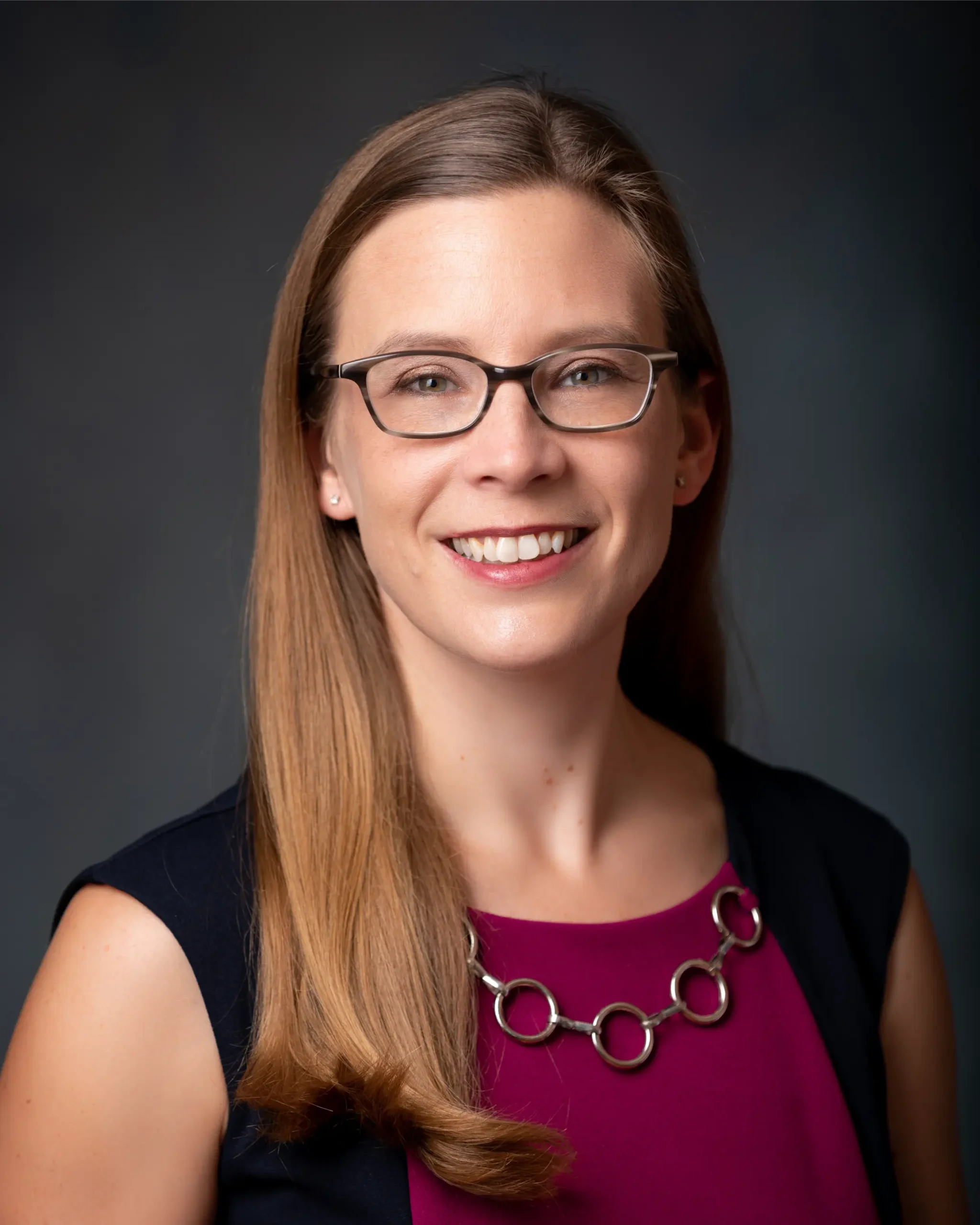
Jennifer A. Hawasli, MD, FACS
Breast Surgery
Jennifer Hawasli, MD, received her undergraduate degree from the University of Texas at Austin and earned her medical degree from Texas Tech Health Sciences Center School of Medicine. She completed her internship and residency at Saint Louis University School of Medicine and her fellowship in Oncological Breast Surgery at Washington University School of Medicine.
Dr. Hawasli focuses mostly on breast cancer, but also sees patients with benign breast disease and patients at higher risk of breast cancer to make sure it is caught early on when it is still very treatable. She says the comprehensive care and tools LMH Health offers for oncology patients is just one reason she recommends Lawrence Breast Specialists.
“My philosophy of care is truly about giving my patients power over their diagnosis. I want my patients to know about the disease, how we treat it and outcomes from those treatments.”
Dr. Hawasli is an active member of the American Society of Breast Surgeons, Society of Surgical Oncology, Association of Women Surgeons and American College of Surgeons.
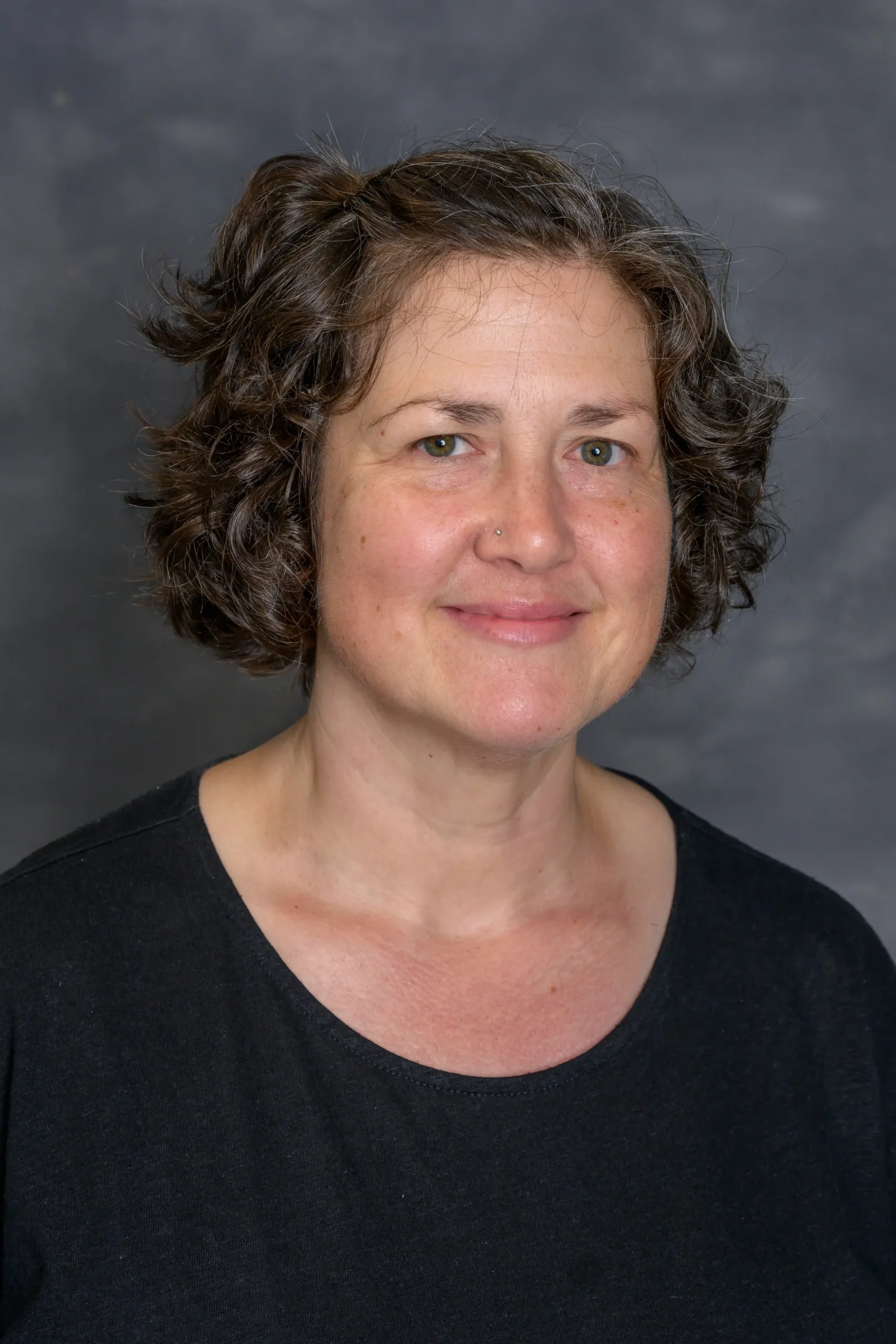
Jodi Palmer, MD
Hematology
Dr. Palmer is board certified in internal medicine, hematology and medical oncology. She earned a bachelor's degree in biochemistry from the University of Kansas. She earned a doctor of medicine degree from the University of Kansas School of Medicine. She completed an internal medicine residency at Scripps Mercy Hospital, San Diego, California. Following that she completed a three-year hematology and oncology fellowship at Wake Forest Baptist Medical Center in Winston-Salem, North Carolina.
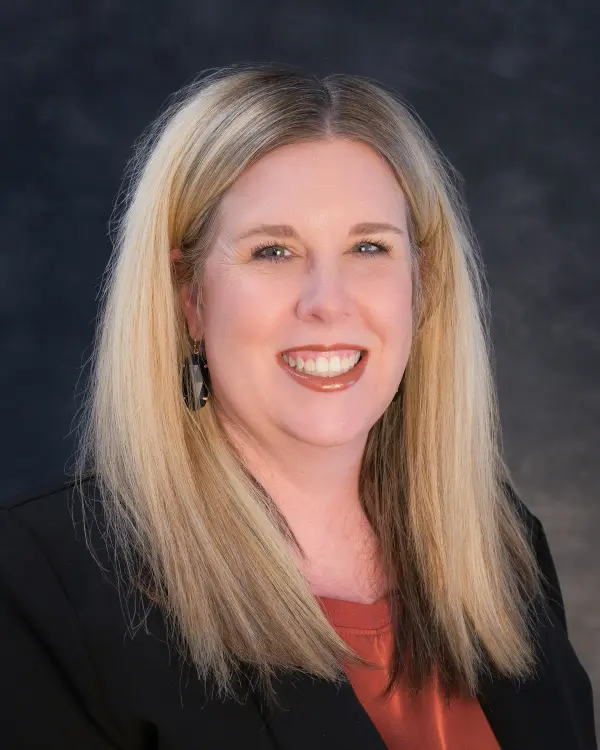
Jodie Barr, DO
Hematology
"One of my favorite parts about being an oncologist is being there for my patients. This is one of the most difficult times of their lives and being able to support them through their diagnosis and their survivorship is very rewarding."
Dr. Jodie Barr is board certified in internal medicine, hematology and oncology. She completed her undergraduate degree in chemistry at McNeese State University in Lake Charles, Louisiana and earned her medical degree from the Kansas City University of Medicine and Biosciences. Dr. Barr completed an internal medicine residency at Exempla Saint Joseph Hospital in Denver and an oncology/hematology fellowship at the University of Kansas Cancer Center in Westwood. She is also the medical chairman of the LMH Health survivorship program.
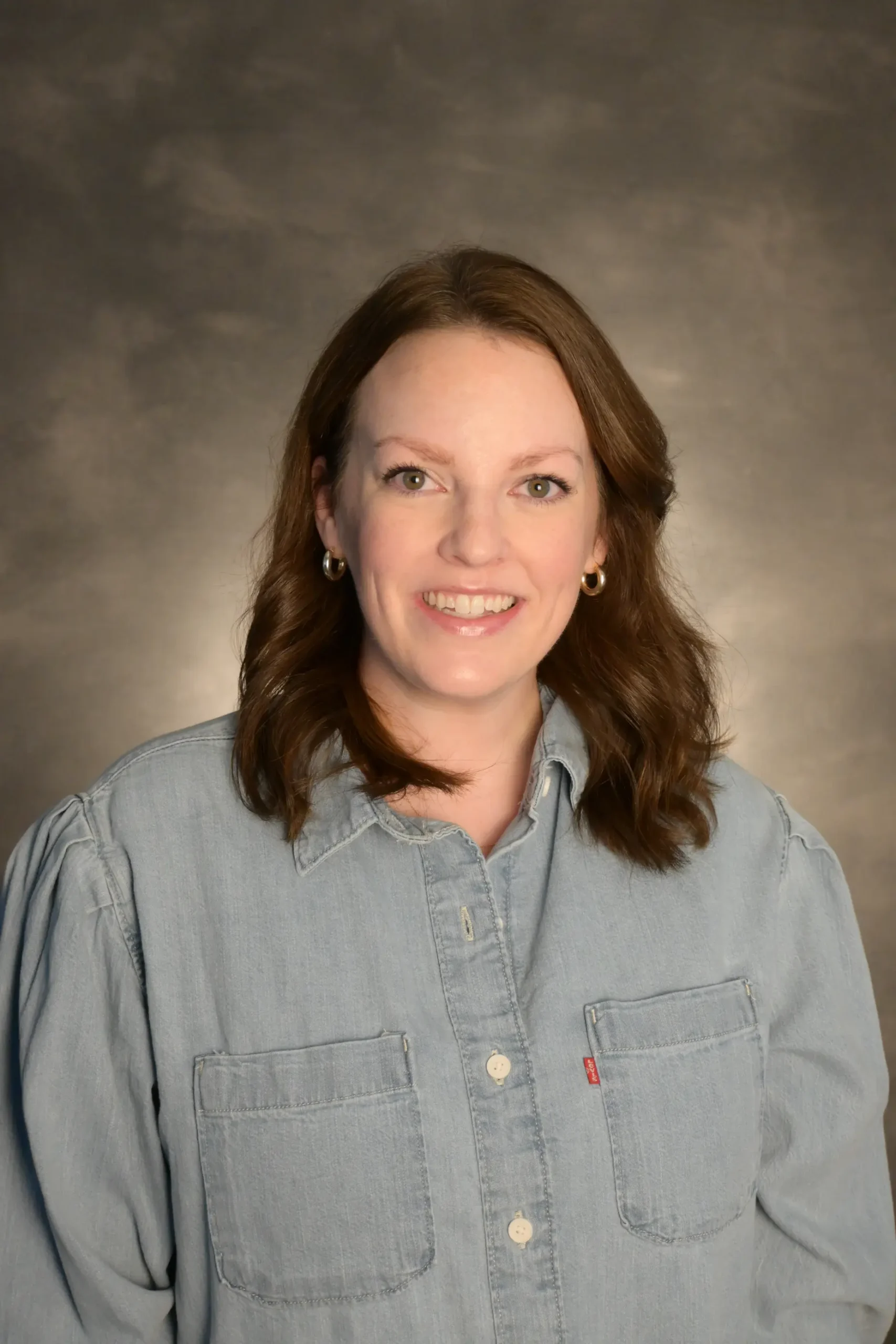
Sara Jones, APRN
Breast Surgery
Sara Jones, APRN, earned her undergraduate degree from the University of Kansas School of Nursing and graduated from the University of Central Missouri with a Master of Science in Nursing. She has been nominated for two DAISY Awards for Extraordinary Nursing.
“I went into breast care because of my grandmother’s fight against breast cancer. It is important to me to take care of patients with serious illnesses and support them through challenging times.”
Jones began her career working at the University of Kansas Health System’s Heart Center before completing her master’s degree.
“The thing I enjoy most about being an APRN is getting to know my patients as a whole and following them through their journey. I want my patients to be comfortable and know that I am there for them.”

Other Services

Lymphedema Management
Specialized care for swelling caused by lymphedema in arms or legs
Cancer Survivorship Program
Health monitoring and support for cancer survivors after treatment
Cancer Genetic Testing
Hereditary cancer risk assessment with genetic counseling and testing
Cancer Screenings & Diagnosis
Cancer screening and diagnostic tests for early detection
Cancer Treatments
Advanced cancer treatment options including chemotherapy and radiation