Blood Clot Prevention
Blood clots are a serious health concern, but with proper monitoring and treatment, many can be prevented. The LMH Health Heart Center provides personalized support to help you safely manage your blood-thinning medication and reduce your risk of dangerous clots.
Table of Contents
Understanding Blood Clots
A blood clot forms when blood thickens and clumps together. While clotting is a normal process that helps stop bleeding after an injury, clots that form inside veins or arteries can block blood flow and cause serious health problems.
Deep vein thrombosis (DVT) occurs when a blood clot forms in a deep vein, usually in the leg. If part of that clot breaks free and travels to the lungs, it can cause a pulmonary embolism (PE), which can be life-threatening. Together, DVT and PE are known as venous thromboembolism (VTE).
Who May Benefit from Anticoagulation Therapy
Your doctor may prescribe anticoagulant medication (commonly called blood thinners) if you have an increased risk of blood clots. Common reasons for anticoagulation therapy include:
- Atrial fibrillation (an irregular heart rhythm that can allow blood to pool and clot in the heart)
- A previous blood clot, such as DVT or PE
- A mechanical heart valve replacement
- Certain blood clotting disorders
- Recent surgery, particularly joint replacement or other orthopedic procedures
- Other conditions that increase clotting risk, as determined by your doctor
Anticoagulants work by slowing the body’s clotting process. They do not dissolve existing clots, but they help prevent new clots from forming and keep existing clots from growing larger.
What the Anticoagulation Clinic Does
The Anticoagulation Clinic at the LMH Health Heart Center works alongside your prescribing doctor to monitor and manage your blood-thinning medication. The goal is to keep your medication at the right level: effective enough to prevent clots, while minimizing the risk of bleeding complications.
INR testing: If you take warfarin (Coumadin), you need regular blood tests to check your International Normalized Ratio (INR). This measures how quickly your blood clots and helps your care team determine if your dose needs adjusting. The test is a quick, painless fingerstick, and results are available right away.
Medication monitoring: Your results are sent to your My Patient Portal and to your prescribing doctor, so everyone involved in your care stays informed.
Bridging therapy: If you need to temporarily stop your regular anticoagulant medication before a surgery or procedure, the clinic helps you safely transition to a short-term blood thinner and manages your medication through the process.
Common Blood-Thinning Medications
Several types of anticoagulant medications are used to prevent blood clots. Your doctor will determine which is right for you based on your specific condition and health history.
Warfarin (Coumadin, Jantoven) is one of the most commonly prescribed anticoagulants. It requires regular INR blood testing because its effectiveness can be influenced by diet, other medications, and individual factors. The Anticoagulation Clinic specializes in helping patients manage warfarin safely.
Direct oral anticoagulants (DOACs) such as rivaroxaban (Xarelto), apixaban (Eliquis), dabigatran (Pradaxa), and edoxaban (Savaysa) are newer blood thinners that generally do not require routine blood monitoring. Your doctor will determine if a DOAC is appropriate for your situation.
Heparin is typically given by injection in a hospital setting or as a bridge therapy when transitioning between medications.
What to Know While Taking Blood Thinners
Taking anticoagulant medication requires attention and communication with your care team. Here are some important considerations:
Take your medication exactly as prescribed: Consistency is important for keeping your clotting levels in the right range. If you miss a dose, contact your doctor or pharmacist for guidance.
Be aware of bleeding risks: Because blood thinners slow the clotting process, you may bruise more easily or bleed longer from cuts. Let your care team know if you notice unusual bruising, blood in your urine or stool, or prolonged bleeding from minor injuries.
Watch your diet if you take warfarin: Foods rich in vitamin K, such as leafy green vegetables, can affect how warfarin works. This does not mean you need to avoid these foods entirely, but keeping your intake consistent from week to week helps maintain a stable medication level. Your care team can provide specific guidance.
Tell all your healthcare providers: Make sure every doctor, dentist, and pharmacist you see knows you are taking a blood thinner, especially before any procedure.
Attend your monitoring appointments: Regular INR checks help your care team catch any changes early and adjust your dose as needed.
Reducing Your Risk of Blood Clots
In addition to medication, there are steps you can take to help lower your risk of blood clots:
- Stay physically active and avoid sitting still for long periods
- If you are traveling for more than four hours, get up and move around every one to two hours
- Wear compression stockings if your doctor recommends them
- Maintain a healthy weight
- Follow your doctor’s instructions after surgery, including getting up and moving as soon as recommended
- Know the signs of a blood clot: leg swelling, pain, warmth, or redness; or sudden shortness of breath, chest pain, or coughing up blood
If you notice any of these symptoms, seek medical attention right away.
Why Choose the LMH Health Heart Center
The LMH Health Heart Center provides comprehensive cardiovascular care, including dedicated anticoagulation management. Board-certified cardiologists and a specialized care team work together to monitor your medication, coordinate with your doctors, and support you through your treatment.
All testing, imaging, lab work, and treatment are available under one roof at the LMH Health Heart Center, making it convenient to stay on top of your care close to home.
Meet Our Care Team

K. Michael Zabel, MD, FASE
Cardiology
“I don’t think you can go anywhere and get better care from the cardiologists and the nurses and technicians than you can at the LMH Health Heart Center. Most of us have quite a few years of experience, but most of my partners don’t have as much grey hair as I do,” Dr. Michael Zabel says with a smile.
Dr. Zabel earned his medical degree from Washington University School of Medicine, and completed his residency and fellowship training in cardiology at Duke University.
“I enjoy treating heart failure patients, those with ischemic heart disease and valvular heart disease, which we’re seeing more of because it tends to be age-related,” he said. “I want my patients to know not to worry too much about this. We can treat almost everything.”
Dr. Zabel is a Fellow of the American Society of Echocardiography and is board certified in cardiovascular disease.
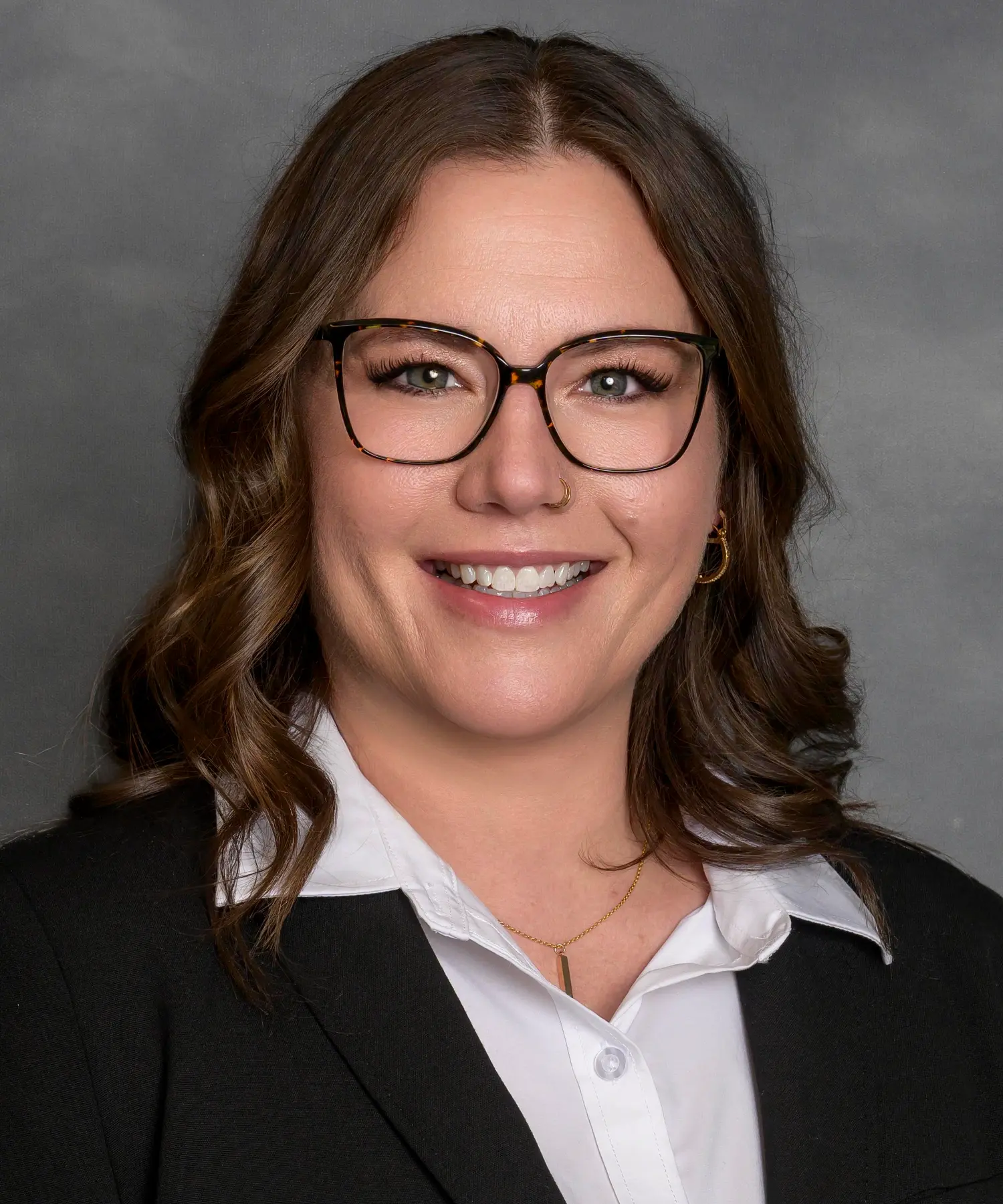
Tanya Eckhardt, APRN
Cardiology
Tanya Eckhardt says she’s known that she wanted to work in healthcare since she was little.
“My dad was a first responder, so I grew up in that environment. I loved seeing him helping people and I knew this is what I was meant to do.”
Tanya earned her undergraduate degree from Washburn University and graduated from Walden University with a Master of Science in Nursing. She worked as an ICU nurse for 10 years before transitioning to cardiac care.
“I took care of a lot of cardiology patients in the ICU and know that it can be really scary to get a new diagnosis, especially when it’s concerning your heart. I want patients to know that our whole team is here to support you.”
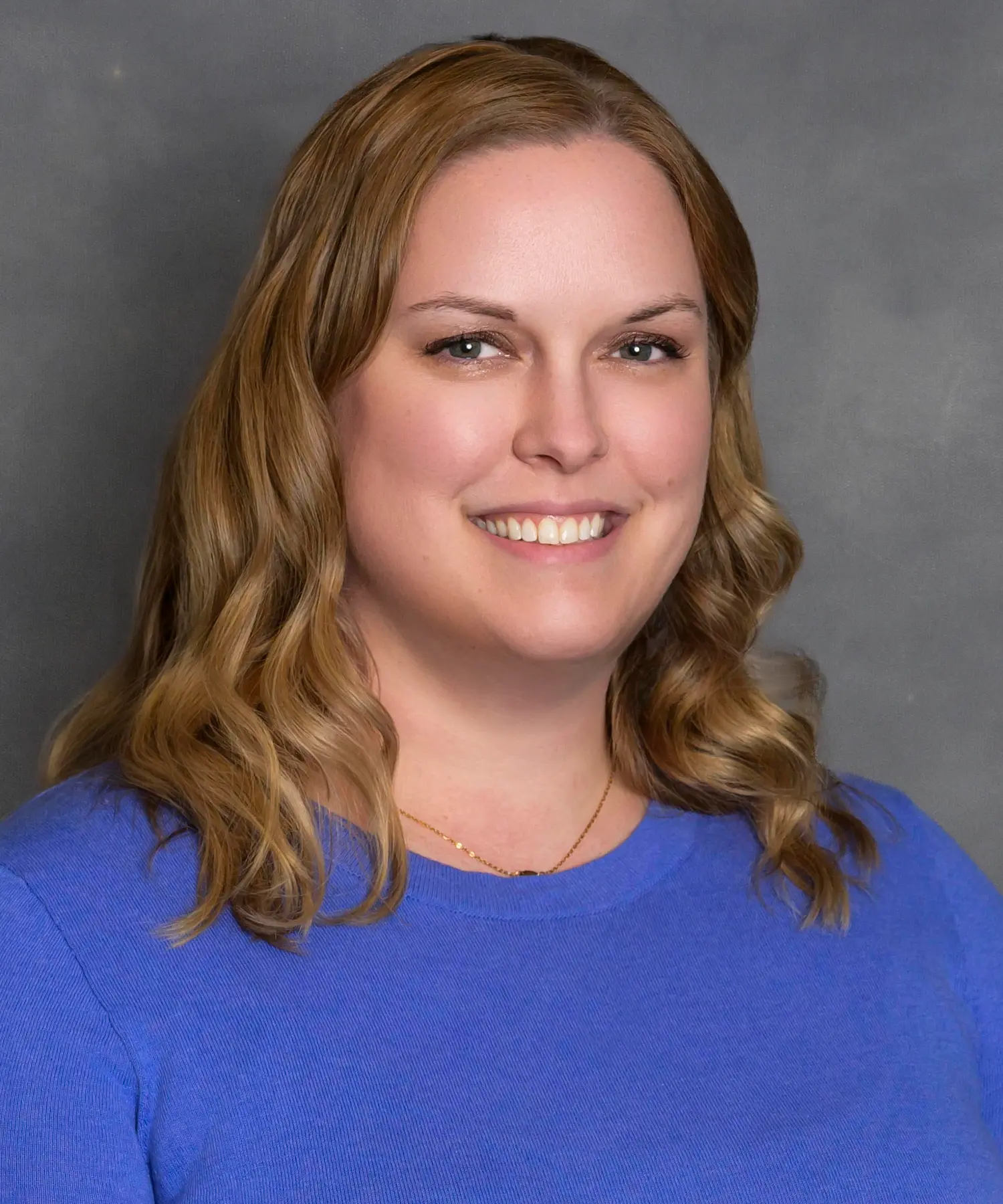
Lauren E. Perez, APRN-C, AGPCNP
Cardiology
Lauren Perez began her healthcare career as a Junior Volunteer at LMH Health. She went on to earn both a bachelor's degree and a master's degree in nursing from the University of Kansas. Her focus during graduate school was as a primary care nurse practitioner specializing in adult and gerontology care.
“I was hired as a nurse on the 2-East/ICU unit after graduation and worked full time for several years,” she said. “After I finished graduate school in 2014, I began working at the Internal Medicine Group (now LMH Health Primary Care-6th and Folks Road) as a nurse practitioner.”
Working in primary care gave Perez a great foundation, but she knew she’d eventually like to work in cardiology. When a position opened at the LMH Health Heart Center in 2018, she jumped at the chance.
“I enjoy working with heart failure patients,” she said. “They’re complex and I get to know them as I see them back so often. It’s my goal to get my patients feeling their very best.”
Other Services
Heart Health & Disease Prevention
Lifestyle and medical strategies to prevent and manage heart disease
Interventional Radiology
Image-guided minimally invasive procedures for vessels and tumors
Cardiac Rehabilitation
Supervised exercise and education program to strengthen heart health
Heart & Vascular Care
Cardiology for heart disease, arrhythmias, and vascular conditions
Heart Failure Care
Treatment and monitoring for heart muscle weakness and heart failure