Vascular Care
In partnership with The University of Kansas Health System, our specialists care for blood vessel conditions with advanced testing, surgery services and minimally invasive options – close to home at LMH Health.
Table of Contents
About Vascular Care
At the LMH Health Heart Center, we’re here to help with any blood vessel issues you may have. Whether you’re dealing with problems in your arteries, blockages, or veins, we’re here to help you feel better.
Your Vascular System
Your arteries and veins act like pipes, carrying oxygen-rich blood to your organs and limbs. If they become blocked or damaged, our vascular specialists can help restore proper blood flow, so your body stays healthy and functions well.
Comprehensive Care
Our heart team can detect vascular issues early, often before you experience pain or symptoms. We’ll work closely with you and your primary care doctor to:
- Assess your risk for vascular problems
- Explore your treatment options
- Support you in making lifestyle changes to reduce your risk
- Create a personalized treatment plan
Diagnostic Services
At the LMH Heart Center vascular laboratory, we offer a variety of noninvasive exams, including:
- Ankle-brachial index test – Measures blood pressure in your ankle and arm
- Carotid duplex – Uses ultrasound to check your blood flow
- Duplex ultrasound evaluation – Assesses blood flow and vein structure in your legs
- Pulse volume recording – Checks blood pressure and circulation in your legs
- Segmental pressure – Evaluates blood flow and circulation
Deep Vein Thrombosis Care
If you’re at risk for deep vein thrombosis or chronic venous insufficiency, our vascular team will test your veins and recommend treatment. We focus on finding the least invasive and most effective options to help you feel better.
Peripheral Artery Disease Treatment
Peripheral artery disease (PAD) occurs when the blood flow to your legs or arms is blocked. Our cardiologists treat PAD using balloon angioplasty, a procedure in which a small balloon is inserted into the blocked artery to clear it, followed by placing a stent to keep the artery open and improve blood flow.
Meet Our Care Team
Richard C. Arnspiger, MD
Vascular Surgery
Dr. Richard Arnspiger is a board-certified vascular surgeon with more than 40 years of experience treating patients with blood vessel conditions. Dr. Arnspiger completed a fellowship in vascular surgery at the University of Tennessee College of Medicine. He earned his medical degree from the University of Kansas School of Medicine and completed his residency at St. Luke's Hospital of Kansas City.
He is passionate about providing personalized care to each patient, taking the time to explain treatment options and answer questions. His approach combines the latest surgical techniques with compassionate patient care.
Matthew Bunte, MD
Interventional Cardiology
Jenny Grace Cho, MD
Vascular Surgery
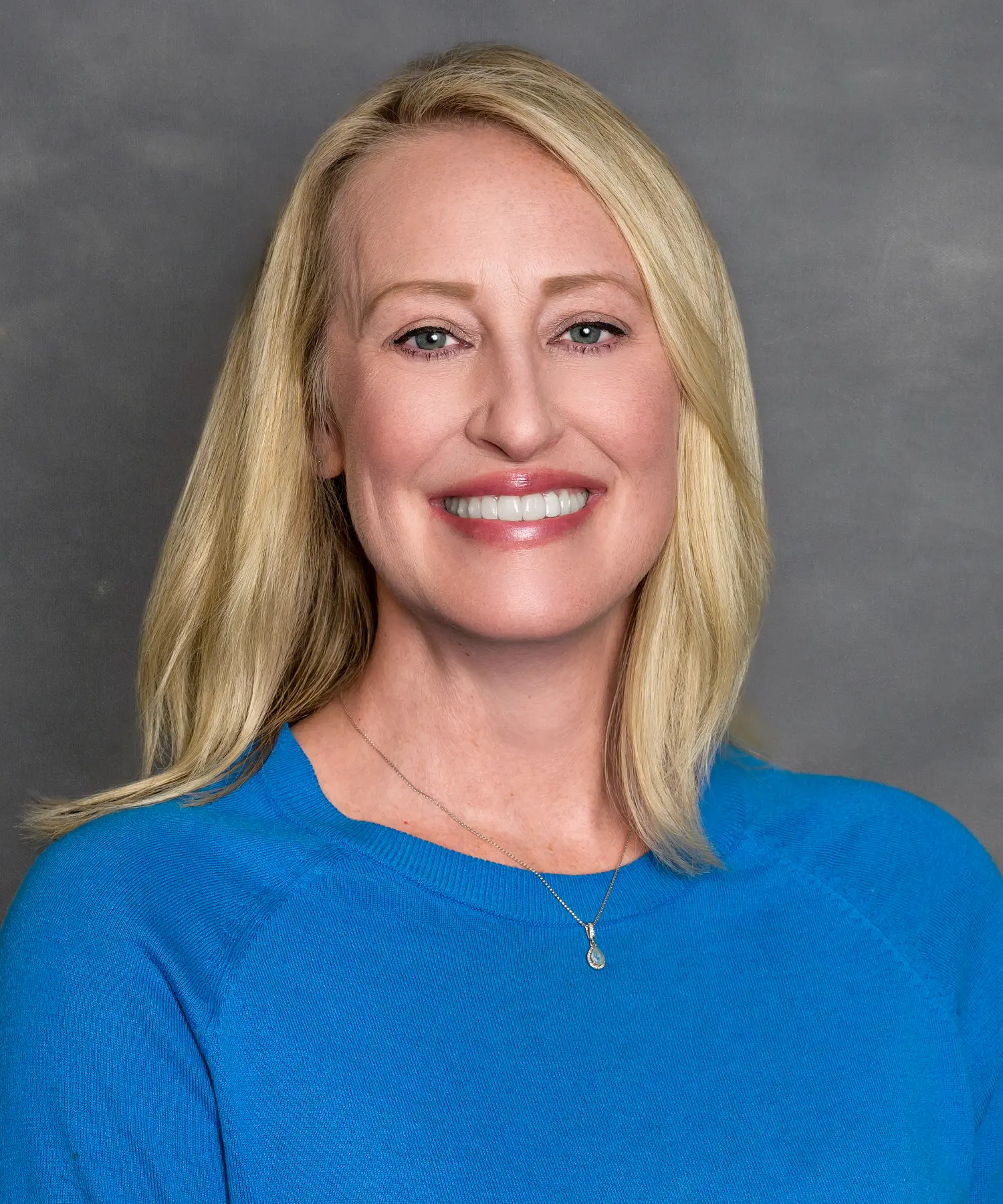
Elizabeth M. Guastello, MD
Cardiology
"I enjoy taking care of patients and seeing them year after year with a new problem, helping them through it and seeing they got better. It's such a rewarding thing being able to take care of patients - it's an honor and privilege."
Dr. Guastello attended the University of Missouri-Kansas City and earned her medical degree in 2006. She completed an internal medicine residency at the University of Michigan and a cardiovascular fellowship at the University of Missouri-Kansas City, training at St. Luke's Hospital. She is board certified in internal medicine and cardiology.
"We're a small town community that looks after each other and I want patients to feel that when they walk into my office. "We trust each other. They know my front staff, my nurse and we know each other by name."
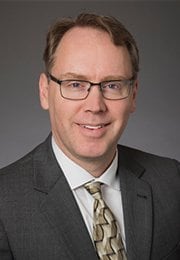
Kirk A. Hance, MD
Vascular Surgery
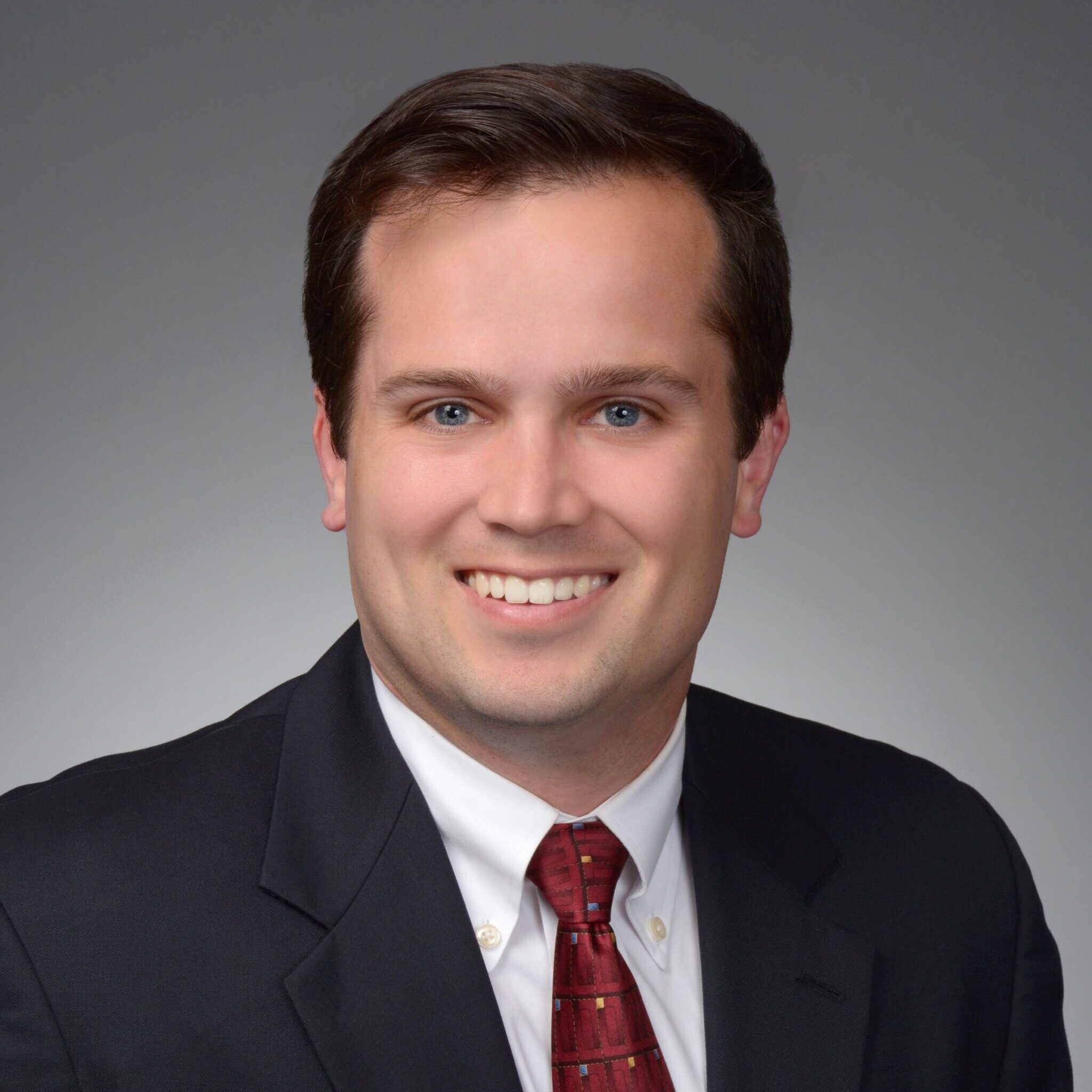
Dr. Sean Liebscher, MD
Vascular Surgery
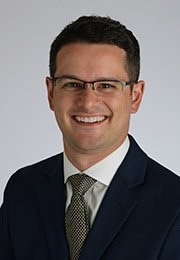
William Poulson, MD
Vascular Surgery
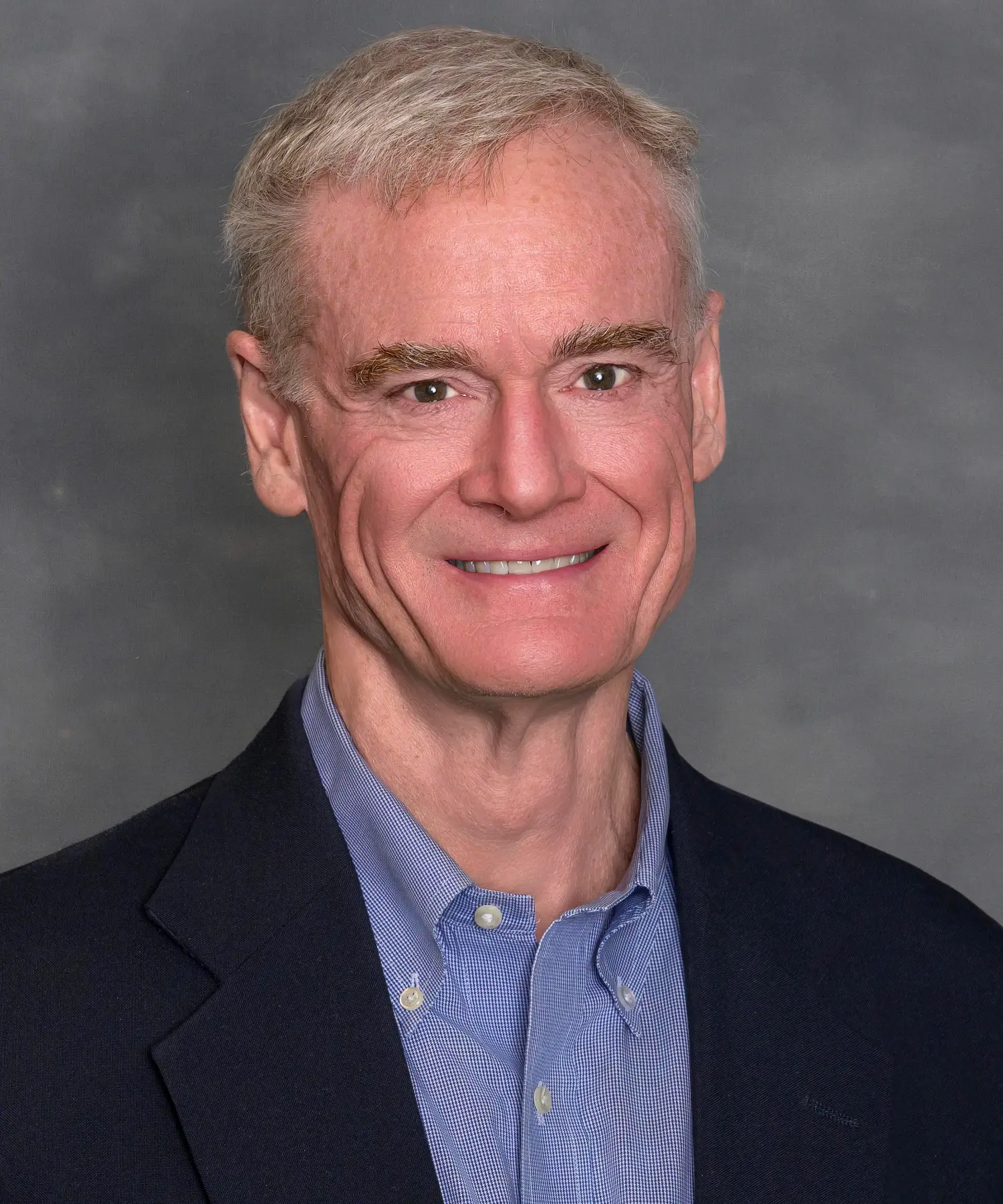
K. Michael Zabel, MD, FASE
Cardiology
“I don’t think you can go anywhere and get better care from the cardiologists and the nurses and technicians than you can at the LMH Health Heart Center. Most of us have quite a few years of experience, but most of my partners don’t have as much grey hair as I do,” Dr. Michael Zabel says with a smile.
Dr. Zabel earned his medical degree from Washington University School of Medicine, and completed his residency and fellowship training in cardiology at Duke University.
“I enjoy treating heart failure patients, those with ischemic heart disease and valvular heart disease, which we’re seeing more of because it tends to be age-related,” he said. “I want my patients to know not to worry too much about this. We can treat almost everything.”
Dr. Zabel is a Fellow of the American Society of Echocardiography and is board certified in cardiovascular disease.
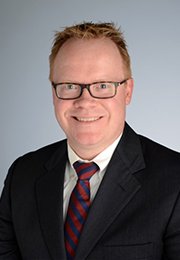
Axel Thors, DO
Vascular Surgery