Heart Health & Disease Prevention
Heart disease often develops gradually as fatty deposits narrow the arteries that supply the heart, reducing blood flow and increasing the risk of chest pain, heart attack, or heart failure. Understanding your personal risk factors and making targeted lifestyle changes can play an important role in reducing that risk.
Table of Contents
Understanding Heart Disease Risk
Heart disease develops when the blood vessels that supply your heart become narrowed or blocked, usually from a gradual buildup of fatty deposits called plaque. Over time, this reduces blood flow to your heart and can lead to chest pain, heart attack, or heart failure.
The good news is that many types of heart disease are preventable. Understanding your personal risk factors is the first step toward keeping your heart healthy.
Risk Factors You Cannot Change
Some things that affect your heart disease risk are beyond your control. These include your age (risk increases as you get older), your sex (heart disease can affect men and women differently), your race or ethnicity, and a family history of early heart disease. If a close relative developed heart disease before age 55 (for men) or 65 (for women), your own risk may be higher.
Even though you cannot change these factors, knowing about them helps you and your doctor make informed decisions about screening and prevention.
Risk Factors You Can Change
Many of the strongest risk factors for heart disease are things you can do something about. These modifiable risk factors include:
- High blood pressure. Often called “the silent killer,” high blood pressure strains your heart and blood vessels over time. A healthy blood pressure reading is less than 120/80 mm Hg.
- High cholesterol. Too much LDL (“bad”) cholesterol in your blood can lead to plaque buildup in your arteries. A simple blood test can check your levels.
- Diabetes and prediabetes. High blood sugar damages blood vessels and nerves that control your heart. Managing diabetes is one of the most important steps you can take for your heart.
- Smoking and tobacco use. Smokers have more than twice the risk of developing heart disease compared to nonsmokers. Quitting smoking is the single most impactful change you can make for your heart health.
- Excess weight. Carrying extra weight puts added stress on your heart and is closely linked to high blood pressure, high cholesterol, and diabetes.
- Physical inactivity. A sedentary lifestyle increases your risk for heart disease and many of the conditions that contribute to it.
- Unhealthy diet. Diets high in saturated fat, sodium, and added sugars contribute to high blood pressure, high cholesterol, and weight gain.
- Too much alcohol. Drinking more than moderate amounts can raise your blood pressure and contribute to heart problems.
- Poor sleep. Adults who consistently sleep less than 7 hours or more than 9 hours per night may have a higher risk of heart disease.
- Chronic stress. Ongoing stress can raise blood pressure and lead to unhealthy coping habits like overeating, smoking, or inactivity.
Eight Steps to a Healthier Heart
The American Heart Association identifies eight key measures for improving heart health, known as Life’s Essential 8. These are actions you can take today to protect your heart:
- Eat a heart-healthy diet. Focus on vegetables, fruits, whole grains, lean proteins, nuts, seeds, and healthy fats like olive oil. Limit processed foods, saturated fats, sodium, and added sugars. The DASH and Mediterranean eating patterns have both been shown to support heart health.
- Stay physically active. Aim for at least 150 minutes of moderate-intensity activity (like brisk walking) or 75 minutes of vigorous activity (like jogging or swimming laps) each week. Even short walks throughout the day add up. Children and teens should get at least 60 minutes of physical activity daily.
- Avoid tobacco and nicotine. If you smoke or vape, talk to your doctor about quitting. Secondhand smoke also raises heart disease risk for those around you.
- Get enough sleep. Most adults need 7 to 9 hours of quality sleep each night. If you snore loudly, wake up gasping, or feel tired despite sleeping, talk to your doctor about sleep apnea, which can increase heart disease risk.
- Maintain a healthy weight. Work with your doctor to set realistic goals. Even modest weight loss of 5 to 10% of your body weight can improve blood pressure, cholesterol, and blood sugar.
- Control your cholesterol. Know your numbers. If lifestyle changes are not enough, your doctor may recommend medication such as statins to lower your cholesterol to a safe range.
- Manage blood pressure. Have your blood pressure checked at least once a year (more often if it is elevated). Reducing sodium, staying active, and taking prescribed medications can help keep it under control.
- Manage blood sugar. If you have diabetes or prediabetes, work closely with your care team to keep blood sugar levels in a healthy range through diet, exercise, and medication when needed.
Know the Warning Signs
Heart disease does not always have obvious symptoms in its early stages. That is why regular screenings matter. However, you should call 911 or go to the emergency room right away if you experience:
- Chest pain, pressure, tightness, or a squeezing sensation
- Pain or discomfort that spreads to your shoulder, arm, back, neck, or jaw
- Shortness of breath, with or without chest discomfort
- Breaking out in a cold sweat, nausea, or lightheadedness
Women may be more likely than men to experience symptoms such as shortness of breath, nausea, and back or jaw pain. Heart attack symptoms can start slowly and come and go, so do not wait to see if they pass.
Heart Health Services at LMH Health
At LMH Health Heart Center, we offer a full range of services to help you prevent, detect, and manage heart disease, all in one place.
Heart Risk Assessments
Cardiovascular Specialists of Lawrence offers “Take Heart” screenings to help you understand your personal heart disease risk. These assessments include lab work, body measurements, and a one-on-one consultation with a health care provider. No referral is required. Results are shared with your primary care provider to guide your ongoing care.
Cholesterol and Health Screenings
High cholesterol often has no symptoms, which is why routine screening is important. Call your primary care provider to schedule your cholesterol screening.
Diabetes Education Center
Managing diabetes is essential for reducing your heart disease risk. Our Diabetes Education Center offers classes, resources, and support to help you take charge of your blood sugar and overall health.
Cardiac Rehabilitation
If you have been diagnosed with heart disease or have had a heart procedure, our nationally certified cardiac rehabilitation program can help you build strength and confidence. The LMH Health Cardiac Rehabilitation Program is nationally certified by the American Association of Cardiovascular and Pulmonary Rehabilitation (AACVPR). After completing cardiac rehab, you can continue with our cardiopulmonary wellness program to maintain your progress.
Heart Failure Education
Living with heart failure requires ongoing attention to your health. Download our Heart Failure Education Booklet [pdf] for practical information about managing your condition and feeling your best.
Why Choose LMH Health Heart Center
LMH Health Heart Center provides comprehensive heart disease prevention, diagnosis, and treatment for the Lawrence community and surrounding areas. Here is what sets our program apart:
- Nationally recognized care. LMH Health Heart Center ranks in the top 5% nationally for heart attack treatment, according to the American College of Cardiology.
- Board-certified cardiologists. Our team at LMH Health Heart Center includes experienced cardiologists who provide expert care close to home.
- Comprehensive services. From prevention screenings and cardiac rehab to interventional cardiology and heart failure management, you will find what you need under one roof.
- Community commitment. As a community-owned hospital founded in 1921, LMH Health is here for our neighbors. Your heart health is personal to us.
Key Takeaways
- Heart disease is the leading cause of death in the United States, but up to 80% of heart disease may be preventable through healthy lifestyle choices.
- The most important steps you can take are eating well, staying active, avoiding tobacco, managing your weight, and getting regular checkups.
- Know your numbers: blood pressure, cholesterol, and blood sugar. Regular screening helps detect problems before symptoms appear.
- If you have risk factors like high blood pressure, diabetes, or a family history of heart disease, talk to your doctor about a personalized prevention plan.
- LMH Health Heart Center offers heart risk assessments, cholesterol screenings, cardiac rehabilitation, and diabetes education to support your heart health.
Meet Our Care Team
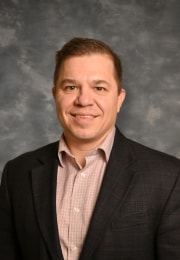
Matthew Bunte, MD
Interventional Cardiology
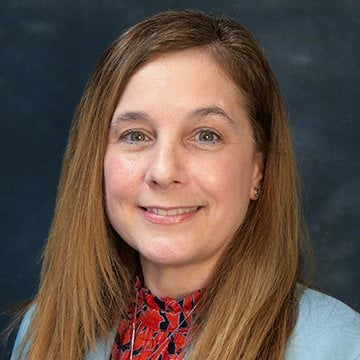
Darcy Green Conaway, MD
Cardiology
"I want patients to know that when they walk into our office, we know they’re nervous and worried. My job is to give them the education they need and to help ease their concerns. It’s my job to do the worrying."
Dr. Darcy Conaway earned her medical degree from the University of Kansas School of Medicine and completed her internship and residency in internal medicine at KU Medical Center. She completed a research fellowship in cardiology outcomes, followed by additional fellowships in cardiology and nuclear cardiology.
"If I could tell my patients anything, it would be to listen to their body. If they don’t feel right, they know that. And if they feel the need to be checked out, they should be. That’s what we’re here for."
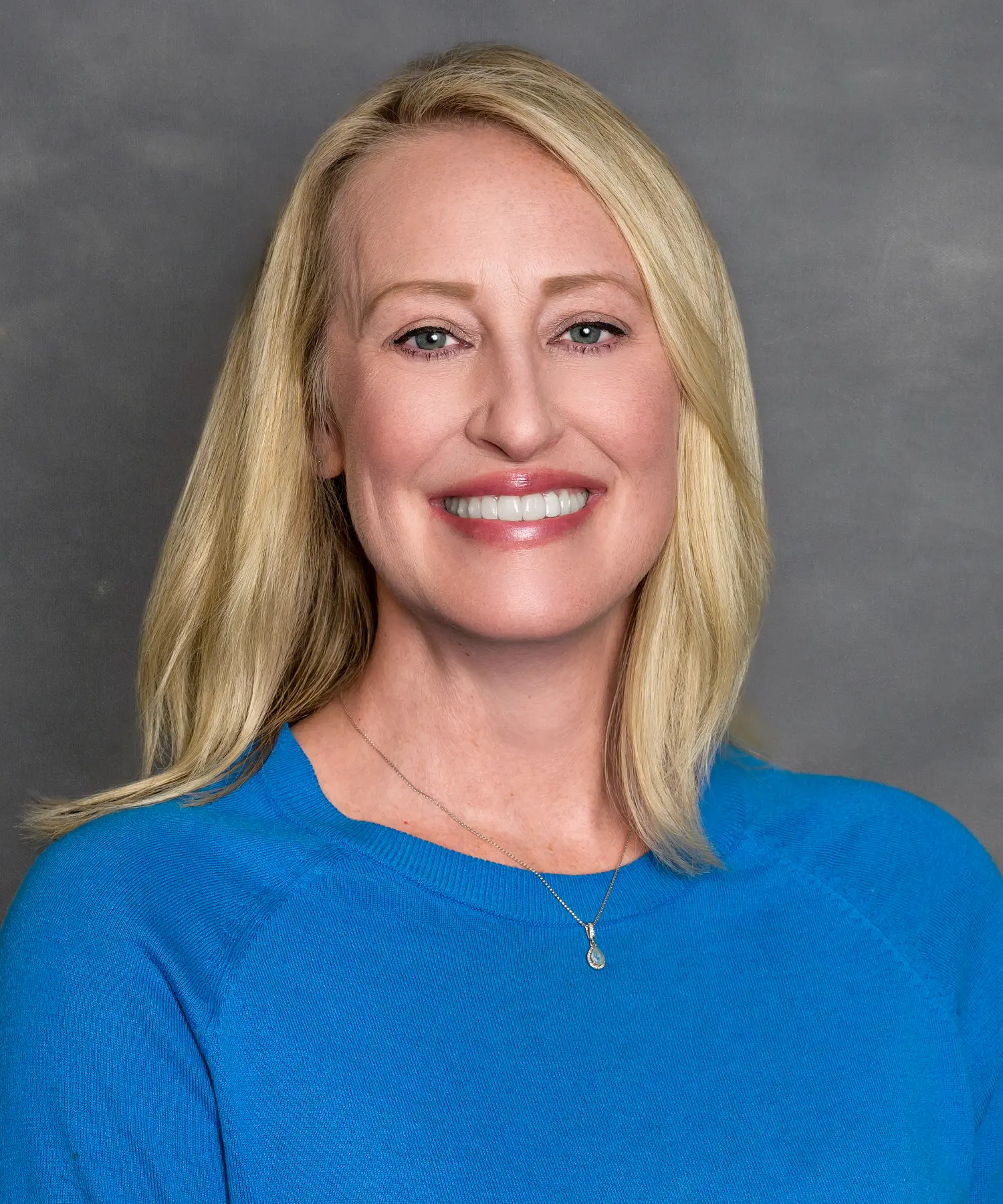
Elizabeth M. Guastello, MD
Cardiology
"I enjoy taking care of patients and seeing them year after year with a new problem, helping them through it and seeing they got better. It's such a rewarding thing being able to take care of patients - it's an honor and privilege."
Dr. Guastello attended the University of Missouri-Kansas City and earned her medical degree in 2006. She completed an internal medicine residency at the University of Michigan and a cardiovascular fellowship at the University of Missouri-Kansas City, training at St. Luke's Hospital. She is board certified in internal medicine and cardiology.
"We're a small town community that looks after each other and I want patients to feel that when they walk into my office. "We trust each other. They know my front staff, my nurse and we know each other by name."
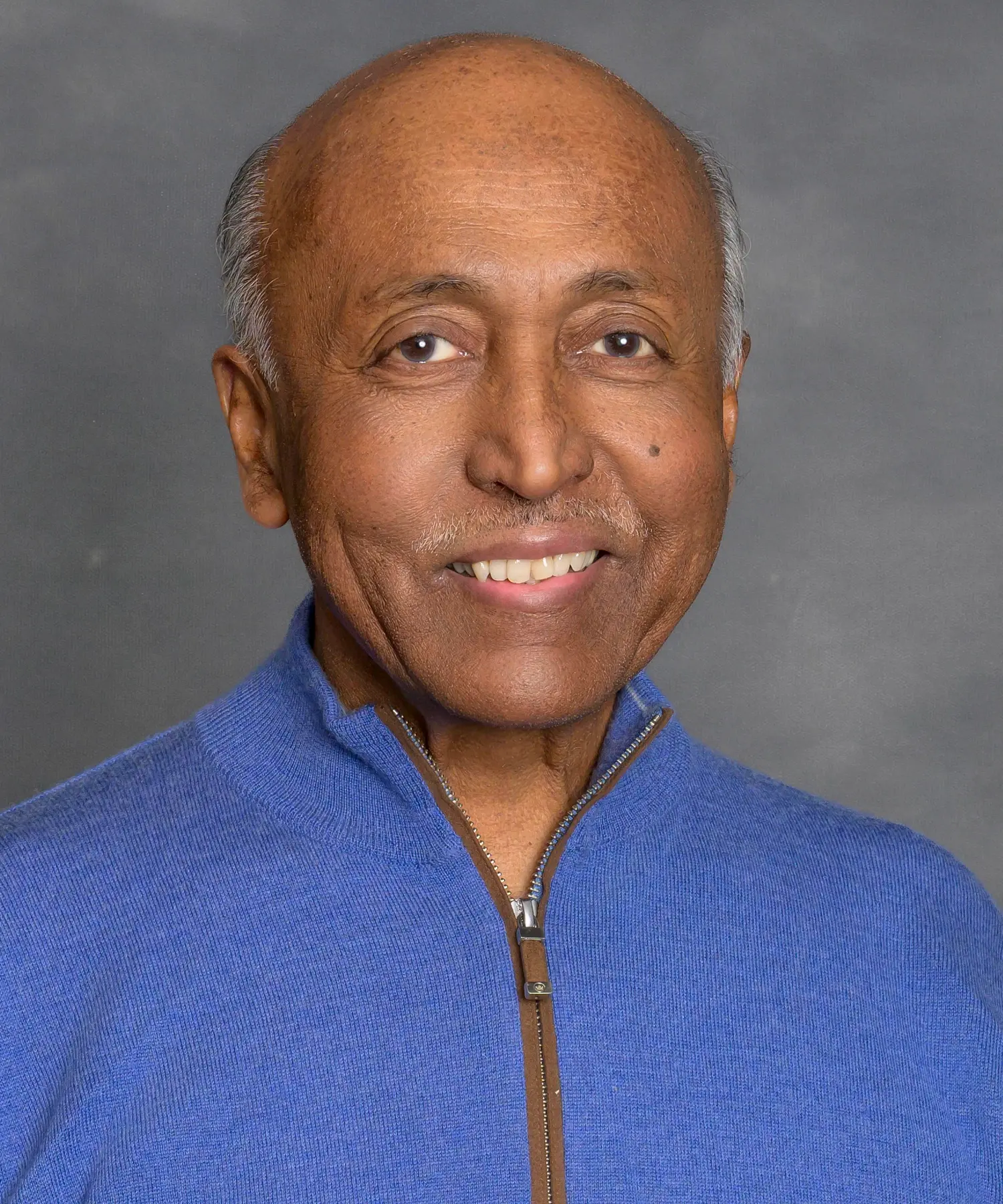
Thomas Kurian, MD, FACC
Cardiology
Thomas Kurian, MD, FACC, earned his medical degree from Seth G.S. Medical College & King Edward Memorial Hospital in Bombay, India. He completed his residency in internal medicine and completed an adult cardiology fellowship at Henry Ford Hospital in Detroit, MI. He also completed an interventional cardiology fellowship and a nuclear cardiology preceptorship.
Dr. Kurian wants his patients to know that he will work hard to find answers, research and treatments for his patients to have an accurate diagnosis and give proper care.
He is board certified in internal medicine, cardiovascular diseases and interventional cardiology. Dr. Kurian is an active fellow of the American College of Cardiology and in his free time, he enjoys being with family, flying kites and being active outdoors.
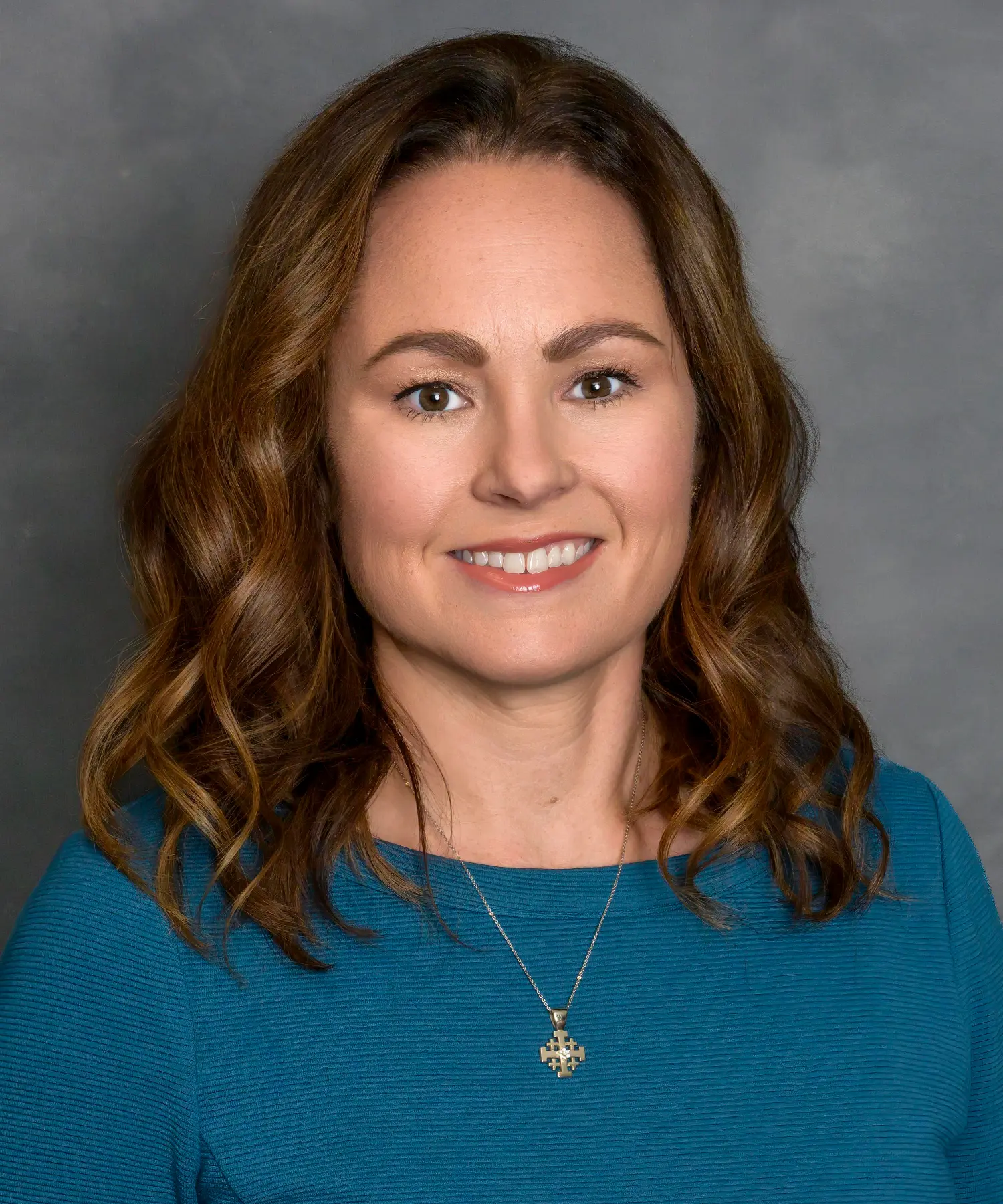
Christina Salazar, MD
Cardiology
Dr. Christina Salazar is a Lawrence native. After earning her medical degree from the University of Kansas, she completed her internship and residency training in internal medicine at Ohio State University followed by a fellowship in cardiovascular medicine. She is board certified in internal medicine and cardiology.
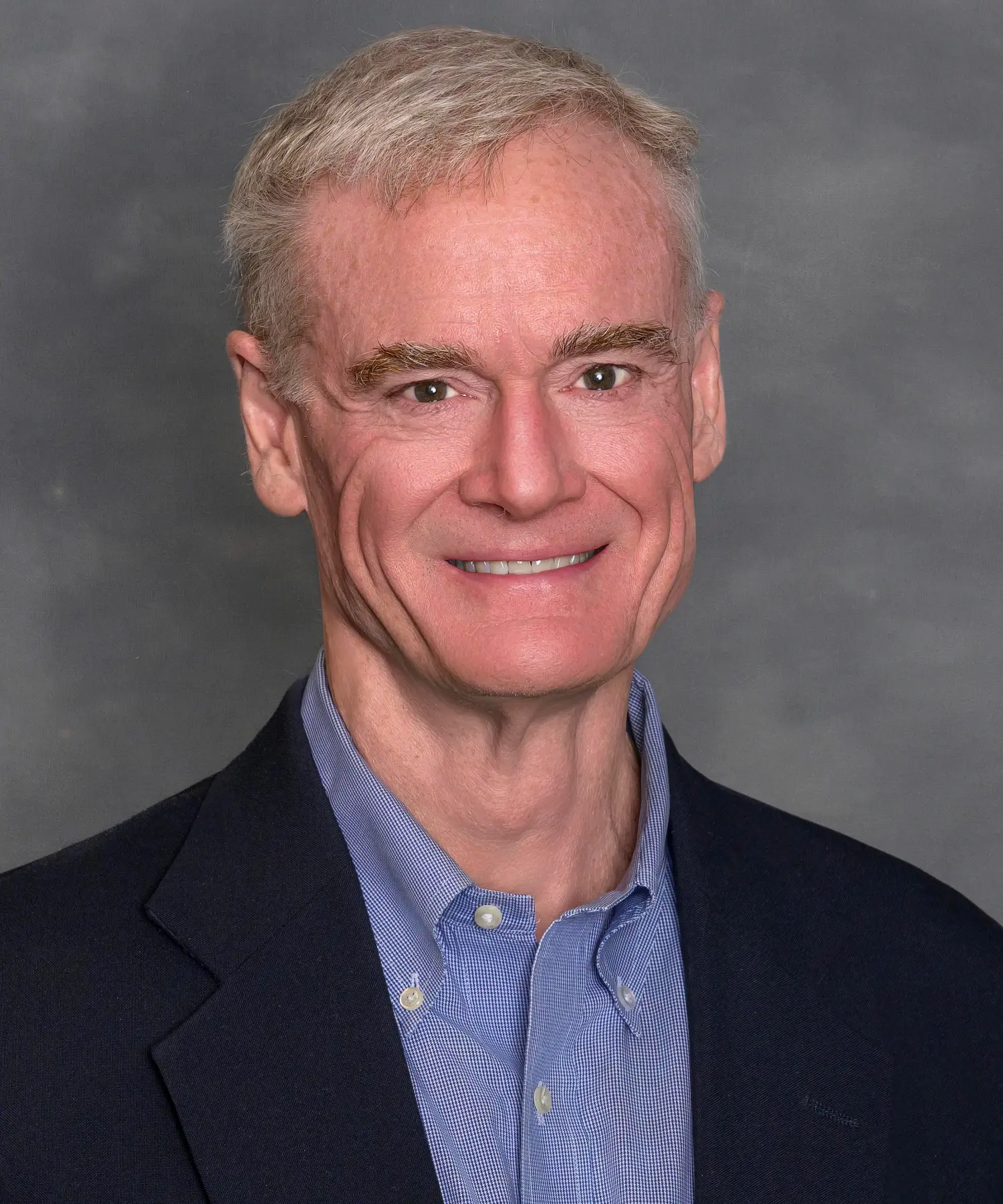
K. Michael Zabel, MD, FASE
Cardiology
“I don’t think you can go anywhere and get better care from the cardiologists and the nurses and technicians than you can at the LMH Health Heart Center. Most of us have quite a few years of experience, but most of my partners don’t have as much grey hair as I do,” Dr. Michael Zabel says with a smile.
Dr. Zabel earned his medical degree from Washington University School of Medicine, and completed his residency and fellowship training in cardiology at Duke University.
“I enjoy treating heart failure patients, those with ischemic heart disease and valvular heart disease, which we’re seeing more of because it tends to be age-related,” he said. “I want my patients to know not to worry too much about this. We can treat almost everything.”
Dr. Zabel is a Fellow of the American Society of Echocardiography and is board certified in cardiovascular disease.
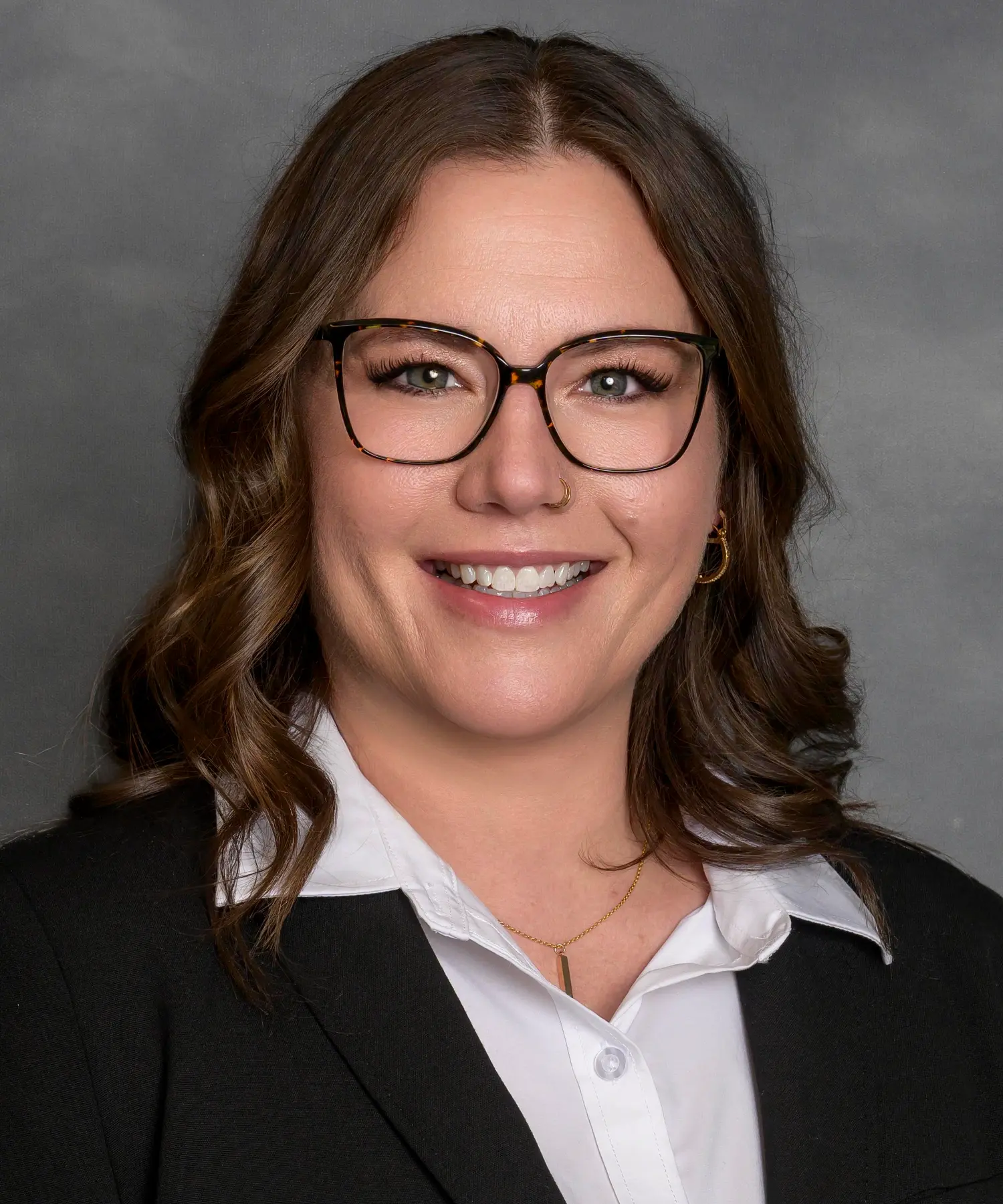
Tanya Eckhardt, APRN
Cardiology
Tanya Eckhardt says she’s known that she wanted to work in healthcare since she was little.
“My dad was a first responder, so I grew up in that environment. I loved seeing him helping people and I knew this is what I was meant to do.”
Tanya earned her undergraduate degree from Washburn University and graduated from Walden University with a Master of Science in Nursing. She worked as an ICU nurse for 10 years before transitioning to cardiac care.
“I took care of a lot of cardiology patients in the ICU and know that it can be really scary to get a new diagnosis, especially when it’s concerning your heart. I want patients to know that our whole team is here to support you.”
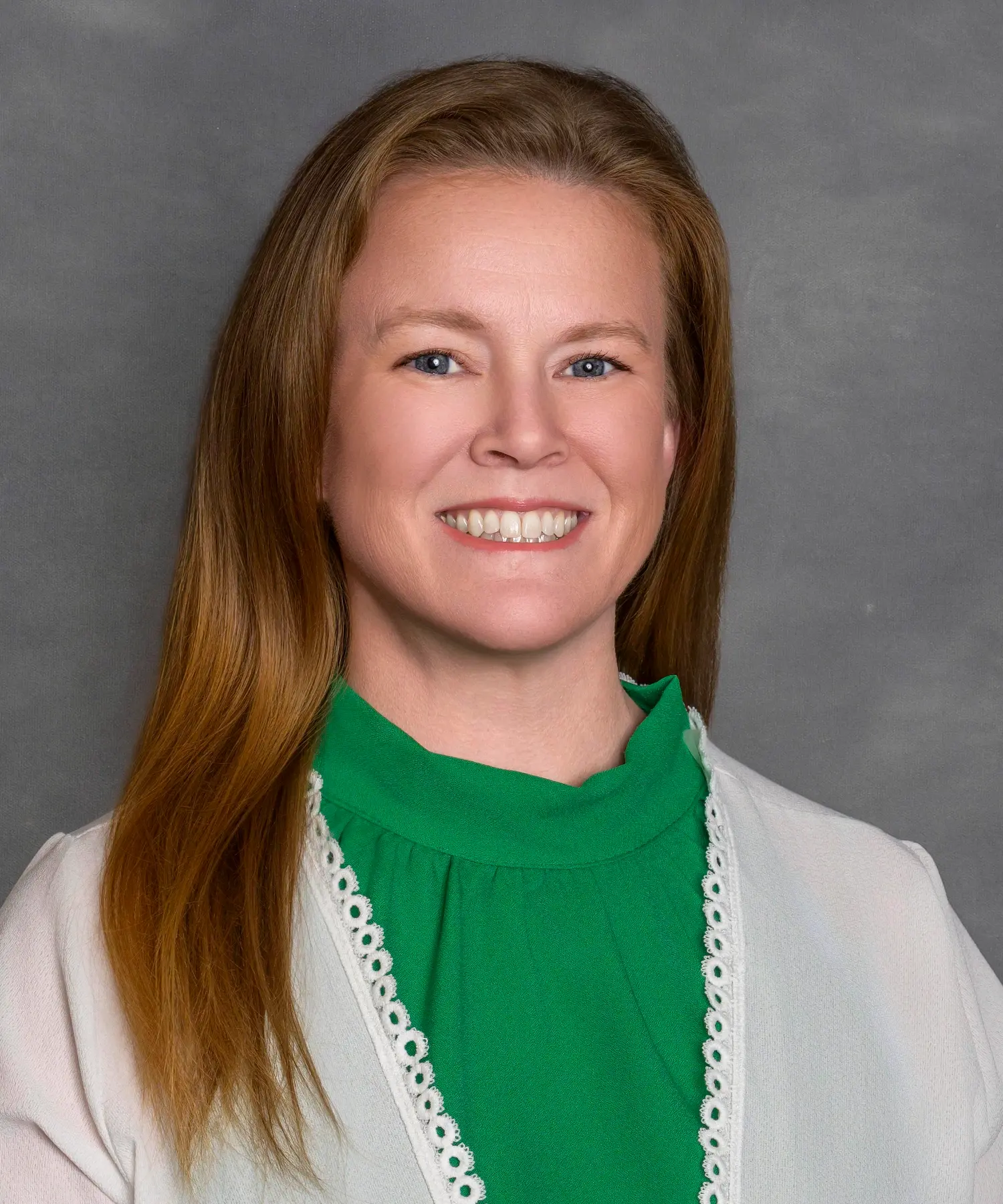
Charis Grosdidier, APRN-C, AGPCNP
Cardiology
“I was drawn toward cardiac nursing and worked in the cardiac ICU for a long time. I found that heart health impacts everyone and you can see that people improve when you help them with their heart health.”
Charis Grosdidier earned her undergraduate and master’s degrees from the University of Kansas School of Nursing. She’s been a member of the team at the LMH Health Heart Center since 2021.
“I want patients to know that it’s never too late to start taking care of your health. Make sure to talk with your healthcare providers so they can help you meet your goals and live with the best quality of life you can.”
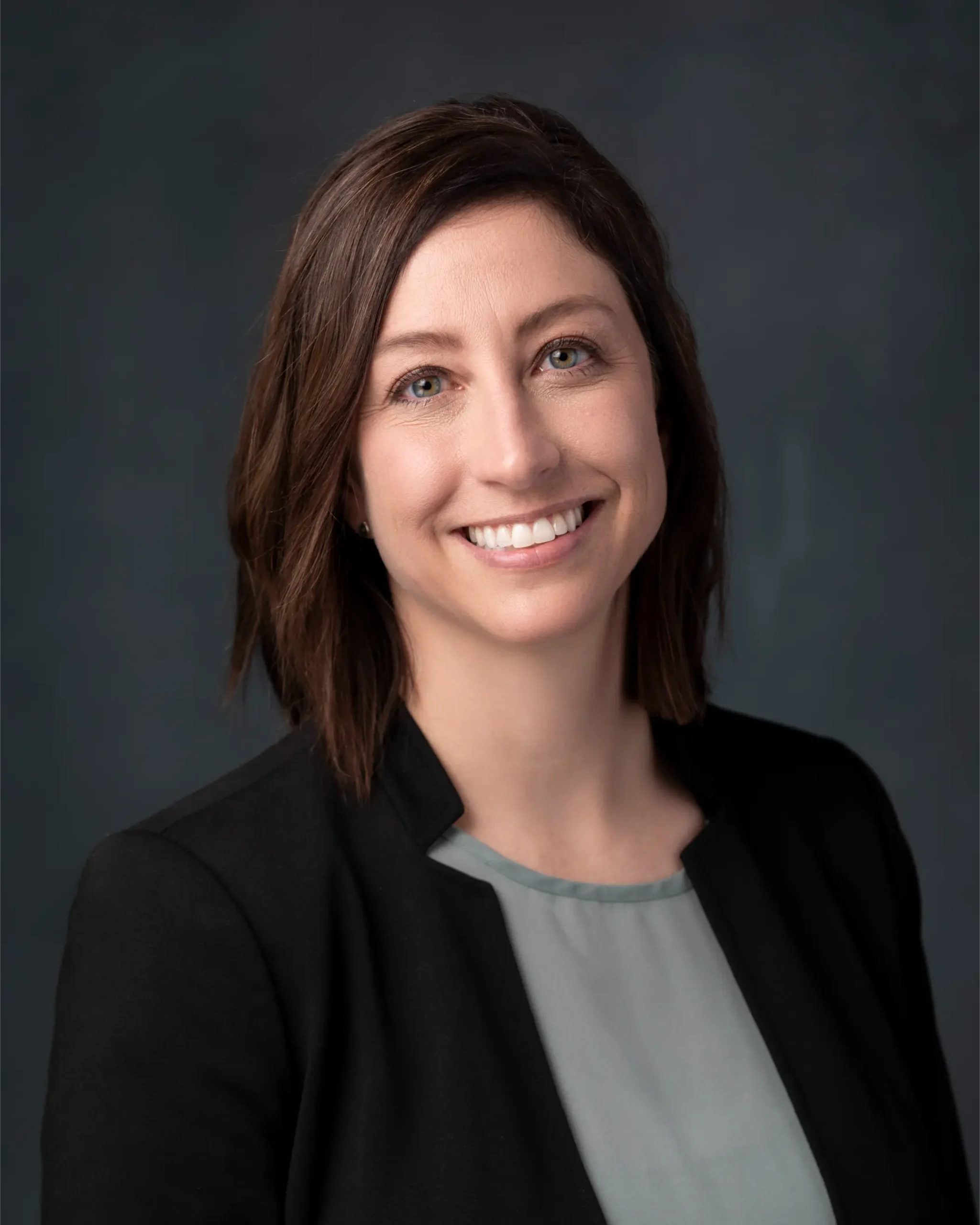
Ashley Lauer, APRN
Cardiology
Ashley J. Lauer, APRN, graduated from the University of Texas with her undergraduate degree in nursing and master of science in nursing. She is a certified advanced practice nurse practitioner and a member of Sigma Theta Tau International Nursing Honor Society.
Growing up, Lauer had family in the medical field. Following in their footsteps, she began her career as a certified nursing assistant in high school. After receiving her nursing degree, she wanted to be more involved in her patients' care. This led her to becoming an APRN, focusing on palliative and cardiovascular care.
“I love working in cardiovascular because your heart is the engine of your body,” said Lauer.
Lauer enjoys learning who her patients are on a personal level, which allows her to provide individualized care.
“I enjoy sitting down with the families and patients and having a conversation about what their true meaning of life is, what their goals are and then helping them have better days,” she said.
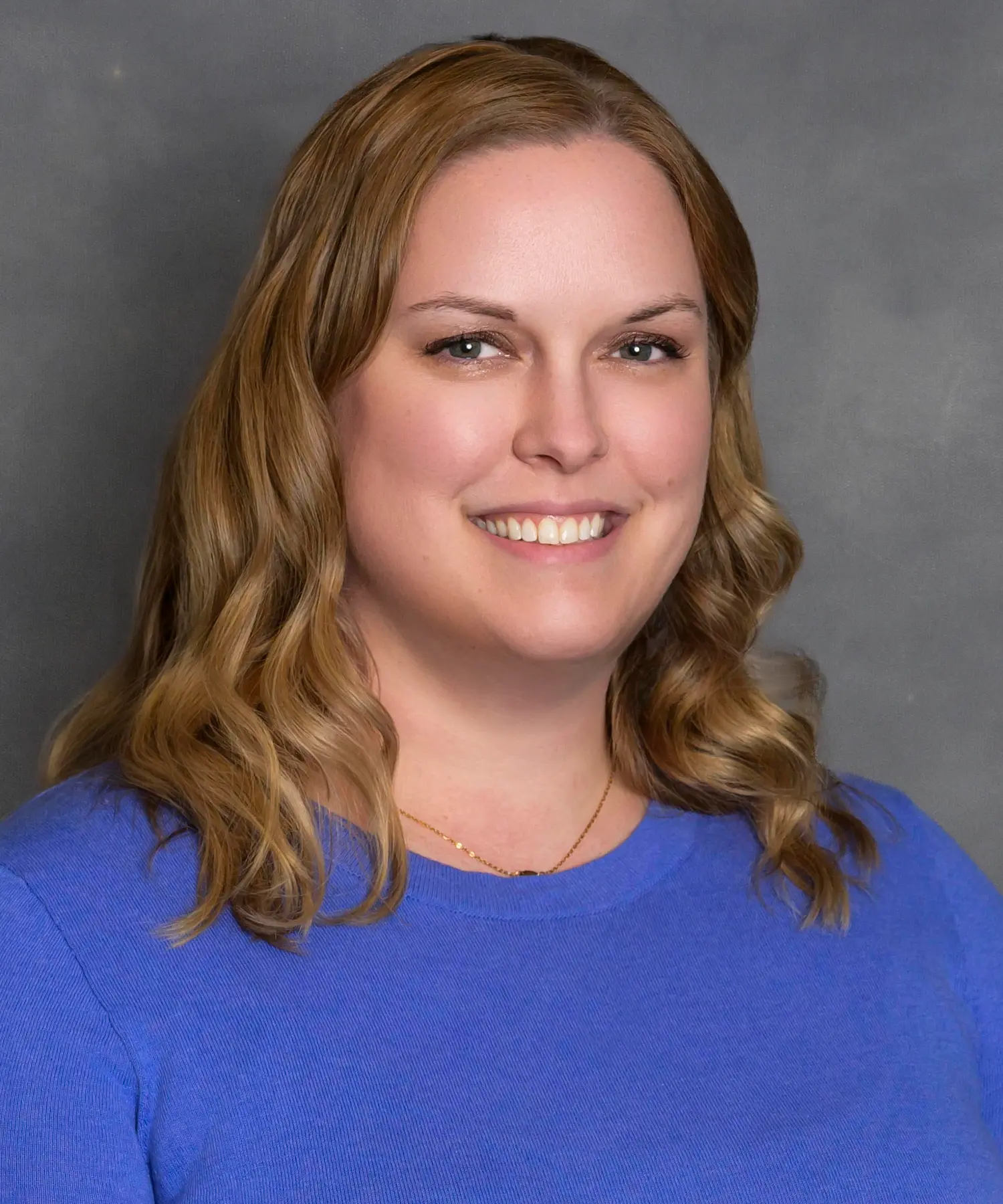
Lauren E. Perez, APRN-C, AGPCNP
Cardiology
Lauren Perez began her healthcare career as a Junior Volunteer at LMH Health. She went on to earn both a bachelor's degree and a master's degree in nursing from the University of Kansas. Her focus during graduate school was as a primary care nurse practitioner specializing in adult and gerontology care.
“I was hired as a nurse on the 2-East/ICU unit after graduation and worked full time for several years,” she said. “After I finished graduate school in 2014, I began working at the Internal Medicine Group (now LMH Health Primary Care-6th and Folks Road) as a nurse practitioner.”
Working in primary care gave Perez a great foundation, but she knew she’d eventually like to work in cardiology. When a position opened at the LMH Health Heart Center in 2018, she jumped at the chance.
“I enjoy working with heart failure patients,” she said. “They’re complex and I get to know them as I see them back so often. It’s my goal to get my patients feeling their very best.”

Other Services
Blood Clot Prevention
Anticoagulation management to prevent and safely monitor blood clots
Interventional Radiology
Image-guided minimally invasive procedures for vessels and tumors
Cardiac Rehabilitation
Supervised exercise and education program to strengthen heart health
Heart & Vascular Care
Cardiology for heart disease, arrhythmias, and vascular conditions
Heart Failure Care
Treatment and monitoring for heart muscle weakness and heart failure