
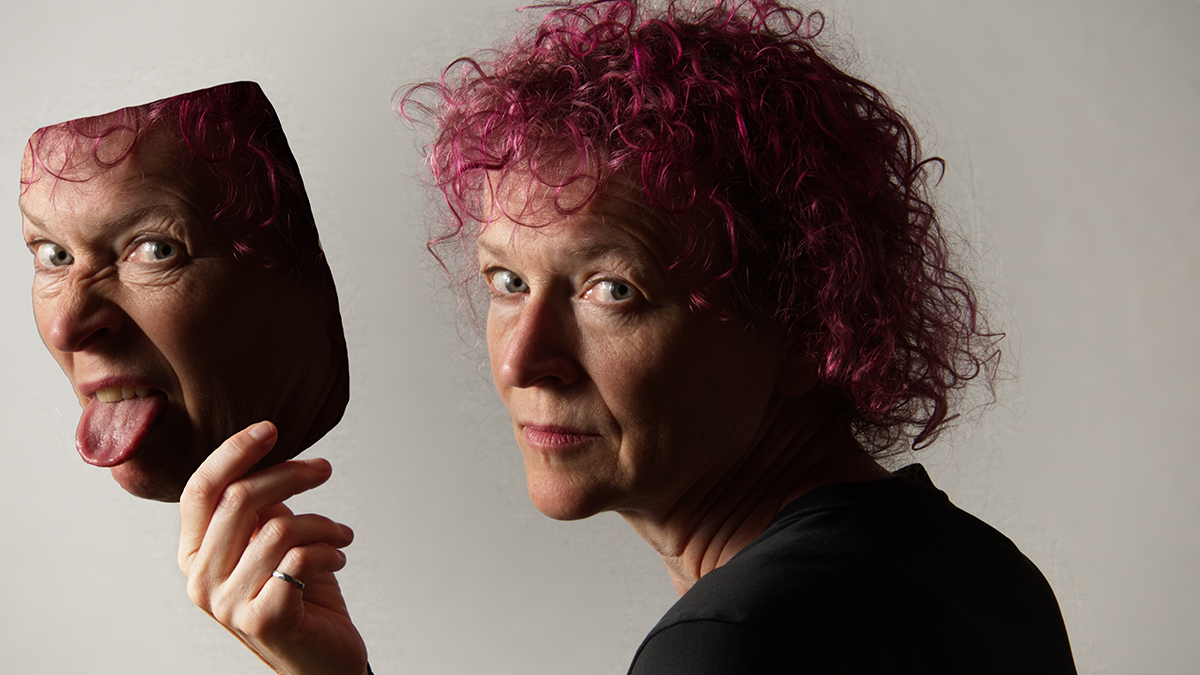
Beyond hot flashes: A whole-health approach to menopause
For the average woman, life after menopause spans decades – and what she needs to stay healthy may change considerably along the way.
That long view is one reason this year’s Menopause Unmasked event will bring several areas of expertise into the conversation. The community panel, presented by LMH Health and Lawrence Public Library on Sept. 29, includes practitioners in OB-GYN, mental health, nutrition and primary care.
Care that changes with you
Menopause itself is a single point in time: 12 consecutive months without a menstrual period. However, symptoms often begin years before that milestone (perimenopause), while the effects on bone, heart, metabolic and other aspects of health can matter many years afterward (postmenopause).
For women experiencing symptoms, Dr. Michele Bennett, a physician with Lawrence OB-GYN Specialists, says personalized treatment options are available to provide relief and protect long-term health.
“We take into consideration the patient’s most bothersome concerns, their health history, their long-term goals and their family history to formulate an approach that is effective and informed,” Bennett said.
Importantly, adds Bennett, women don’t need to wait until they reach menopause to seek treatment. For example, years before periods stop, menopausal hormone therapy (MHT) – which is sometimes referred to as hormone replacement therapy or HRT – may be appropriate for some women and can be used in conjunction with conventional contraceptive measures.
The key with any treatment plan is open communication and regular re-evaluation to make sure it’s working and adjust as individual health and wellness needs evolve.
“What someone needs at age 45 may differ greatly from what they need at 55, so this is a continuum of care, not a one-and-done fix,” Bennett explained.
Caring for mind and body
A whole-health approach means paying attention to issues that may be less obvious than hot flashes or an unpredictable menstrual cycle.
Hormonal fluctuations during perimenopause can affect the brain as well as the body. Some women experience new or worsening anxiety, irritability, low mood, difficulty concentrating or disrupted sleep. These symptoms can compound one another – poor sleep, for example, can make it harder to concentrate and cope with stress during the day.
Melissa Hoffman, a nurse practitioner with Lawrence OB-GYN Specialists who specializes in women’s mental health, will join the Menopause Unmasked panel to discuss emotional or cognitive concerns that can occur during the transition. Treatment may involve addressing menopause, mental health or both, depending on what a woman is experiencing. Changes in mood and mental health should not automatically be chalked up to hormones, particularly when they persist or interfere with daily life.
Primary care perspectives
Heather Yates, a physician assistant with LMH Health primary care, also encourages women and their care teams to avoid the assumption that a new symptom is simply part of menopause.
“It is dismissive to assume a woman’s experience is ‘just menopause,’” Yates said. “Every symptom deserves care and consideration.”
Fatigue, joint pain, hair loss, brain fog and other issues commonly associated with perimenopause can have other causes. A comprehensive evaluation can help identify what may be related to hormones, what deserves a closer look and how best to manage overall health. That includes paying attention to metabolism, cholesterol levels and bone density, which can affect the risk for heart disease, diabetes, osteoporosis and other conditions.
“On average, a woman will spend 30 years of her life in the menopause transition or postmenopause,” Yates said. “If we want to improve longevity, healthy aging and quality of life, we must address the underlying risk factors associated with this time of life.”
Rethinking nutrition and strength
Healthy aging is central to the advice Kim McAuley, a registered dietitian with Lawrence Endocrinology, gives women navigating menopause.
“One of the biggest shifts I encourage women to make during the menopause transition is to start prioritizing what their bodies can do for them, rather than what they want their bodies to look like,” McAuley said.
As estrogen levels decline, women become more vulnerable to muscle and bone loss, along with shifts in heart and metabolic health. McAuley recommends getting enough calories and protein, prioritizing fiber and key nutrients such as calcium, magnesium and vitamin D, and pairing good nutrition with hydration and regular physical activity.
She cautions against drastically cutting carbohydrates or following overly restrictive diets to manage weight. High-quality carbohydrates from whole foods such as beans, lentils, fruits, vegetables and whole grains provide fiber and other nutrients important to a healthy diet.
What happens outside the kitchen matters just as much. McAuley encourages women to make strength training a priority to help preserve muscle and bone strength, as well as mobility and independence later in life.
Finding what works for you
Taken together, the perspectives represented on the panel underscore that there is no single menopause experience and no one-size-fits-all path for navigating it. Understanding what’s happening, asking questions and working with knowledgeable practitioners can help women make decisions for feeling better today and maintaining good health for the years ahead.
Diane Morgan is a freelance writer covering health, wellness and community topics for LMH Health.
Join the conversation Sept. 29
Menopause Unmasked will be held from 6 to 7:30 p.m. Tuesday, Sept. 29, at Lawrence Public Library. The event is free and open to everyone. No registration is required.
For media inquiries related to LMH Health contact:
Autumn Bishop – Strategic Communications Manager