Everyone can help: Recognizing the signs and preventing suicide
Mental health challenges affect people of all ages, backgrounds and walks of life. Yet conversations about these concerns aren’t always easy to discuss. That’s especially true when it comes to a topic like suicide, which remains a leading cause of death in the United States, responsible for more than 48,000 deaths each year.
The impact is also felt locally. In 2025, more than 1,000 visits to LMH Health’s Emergency Department and primary care clinics involved care for individuals considering suicide. Behind every number is someone hurting. And connected to every person hurting are family, friends and LMH care teams trying to help.
Know the potential signs
No one thing results in suicidal thoughts. Risk factors can be a combination of things, including:
- Depression or other mental health condition
- Chronic pain
- A new or difficult medical diagnosis
- Alcohol or substance use
- Significant life changes
- Financial stress
- Previous suicide attempts
- Suicide attempts among family and friends
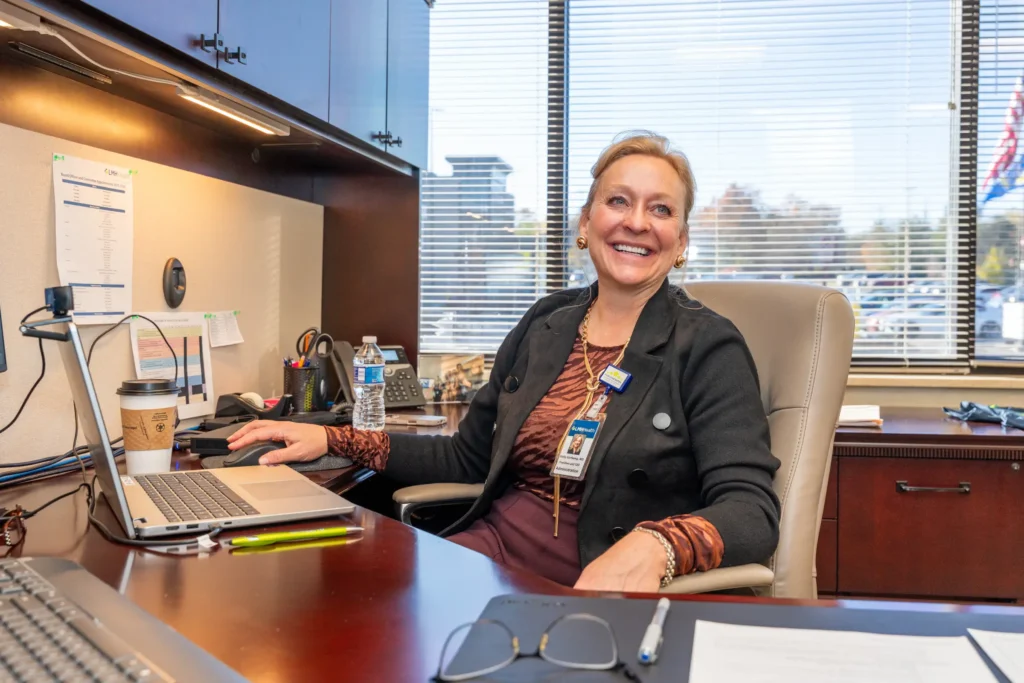
“We hear comments like, ‘I don’t think I can handle this anymore,’ ‘I’m tired of dealing with this,’ ‘I am such a failure,’ ‘It would be easier if I wasn’t here,’ or ‘There is no hope that this will get better,’” said Sandra Dixon, LMH Health director of behavioral health integration. “All of these may suggest someone is at risk of suicide.”
Feeling connected and having support from family, friends and co-workers are two key factors that can help prevent suicide. Dixon said those can help you to recognize the subtle messages and provide an opportunity to help.
“Asking the question opens the door to a conversation, and it isn’t complicated. Just saying, ‘I’m concerned about you and I’m here to listen. Are you thinking about suicide?’ It’s hard, but it can make all the difference,” she said.
Community awareness and support
A 2025 study led by researchers in the Johns Hopkins Bloomberg School of Public Health found that nearly 1 in 10 adults reported a mental health crisis over the past year. Nearly three quarters of those experiencing a mental health crisis sought help, some through the 988 hotline or using a mobile crisis team, but most relied on healthcare providers or family and friends for help.
Knowing where to turn can make all the difference during a mental health crisis. Fortunately, there’s help available 24/7.
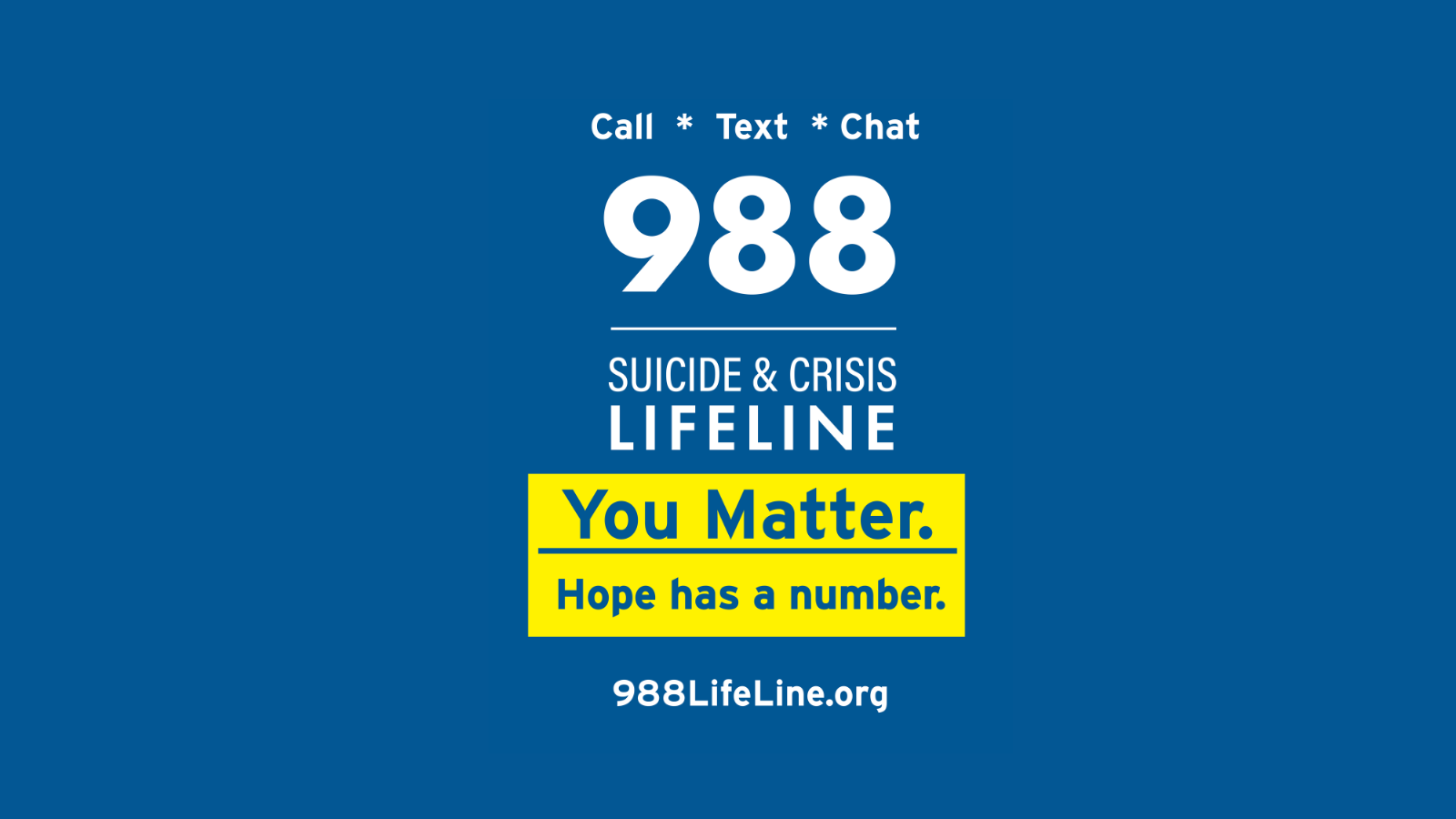
Call or text 988, or visit 988lifeline.org/chat to reach a caring, trained counselor who can help. 988 counselors are trained to listen and support the caller, identify next steps including service referrals, and engage the caller in safety planning. If the caller is in immediate danger, 988 staff can connect them to emergency first responders.
If you are with someone who says they are thinking about suicide, ask “Can we call the 988 crisis line to talk to someone?”
The Treatment and Recovery Center of Douglas County is a local crisis center providing 24/7 walk-in urgent care for individuals experiencing a substance use, mental health or suicide crisis. Located at 1000 W. 2nd, one block northeast of LMH Health at the corner of Second and Maine streets, the TRC offers in person, licensed behavioral health clinicians that help individuals assess their needs, connect to resources, and if needed, a few days of stabilization for those 18 and over.
If you are with someone who says they are thinking about suicide or experiencing a behavioral health crisis, ask “Can I help you go to our local crisis center to talk to a therapist?”
The Bert Nash Center Mobile Response Team goes to an individual’s home or other community sites to facilitate de-escalation, clinical assessment and brief intervention for people in crisis. The Mobile Response Team is a good option when you are concerned for someone’s safety and they refuse other types of help. Call the Douglas County Emergency Communication Center at 785-832-7509 or 785-843-0250 to connect with the Mobile Response Team.
First aid for the mind
One way local organizations are working to improve public awareness and support is through Mental Health First Aid training. Morgan Carnagie, LMH’s employee health and wellbeing manager, likens it to learning CPR.
“We learn CPR to be able to help our friends, families, neighbors and strangers. This is kind of the same thing, from a mental health perspective, and we offer the training to LMH staff each quarter,” she explained.
The Mental Health First Aid program provides skills to help community members recognize, understand and respond to signs of mental health and substance abuse challenges to provide initial help to someone experiencing a mental health crisis. It doesn’t take the place of professional help, but does provide a stepping stone to help someone in a crisis while guiding them to professional care.
The Bert Nash Community Mental Health Center was one of seven pilot sites in the U.S. for Mental Health First Aid and has offered the training since 2008.
In 2026, Bert Nash began a collaboration with DCCCA to provide more opportunities through public and private training to help the community learn how to respond to someone experiencing mental health or substance abuse challenges.
“Bert Nash and DCCCA are working together to equip people with the skills to help in a crisis,” Dixon said. “By recognizing the warning signs, checking in with those around us and offering support, we can all make a difference with someone who is hurting. Everyone can help.”
Autumn Bishop is the strategic communications manager at LMH Health.
Want to know more about Mental Health First Aid?
Visit bertnash.org/mhfa for more information and to register online.
For media inquiries related to LMH Health contact:
Autumn Bishop – Strategic Communications Manager