High-Risk Breast program helps patients stay ahead of breast cancer
The statistics are sobering. The American Cancer Society reports that one in eight women will be diagnosed with breast cancer during her lifetime.
But breast cancer risk isn’t the same for everyone. While many women are at average risk, some have other factors that place them at a significantly higher risk.
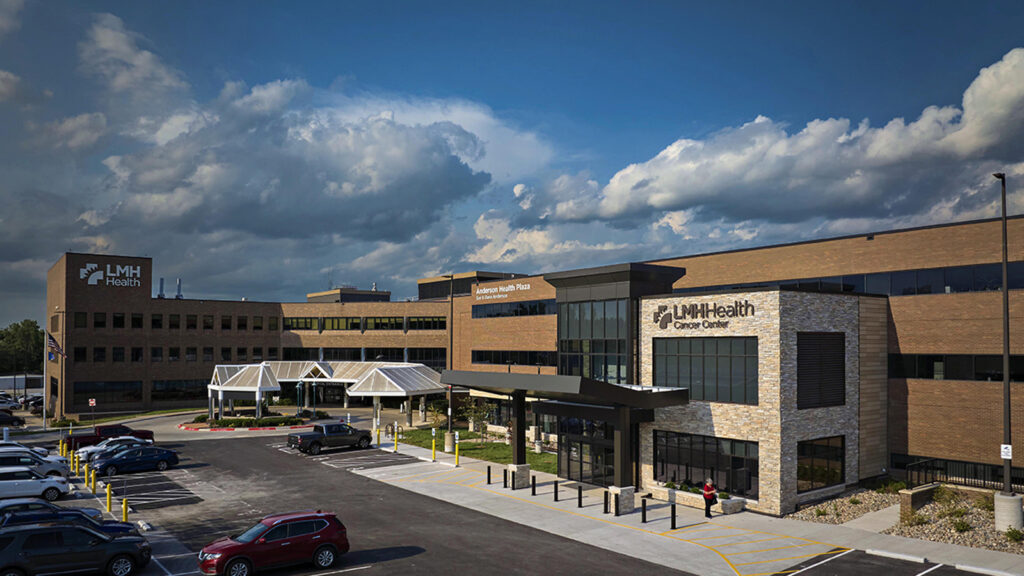
But higher risk doesn’t have to mean higher fear. LMH Health’s High-Risk Breast program, a collaboration between the LMH Health Cancer Center and Lawrence Breast Specialists, connects patients with an elevated risk of breast cancer with enhanced screening and prevention resources close to home.
The goal? Detecting breast cancer as early as possible, when treatment is most effective.
“Overall survival rates are much greater when we detect breast cancer early,” said Dr. Jodie Barr, an oncologist at the LMH Health Cancer Center.
What is the High-Risk Breast program?
It all starts with a mammogram. Before a routine screening mammogram, patients work one-on-one with a mammography technologist to complete a comprehensive breast cancer risk-assessment. Your lifetime risk score is calculated based on a number of factors including:
- Age
- Height and weight
- Age at first menstrual period
- Age at first childbirth
- Family history of breast or ovarian cancer
- Menopause status and age
- Breast density
- Previous atypical breast biopsy
- Previous genetic testing
A lifetime risk of 20% or higher is considered as high risk for breast cancer. If your score is 20% or more, you may receive a referral to the high-risk program, where the team creates an individualized screening plan based on your level of risk.
“When our team knows a patient is at higher risk, we can order the appropriate imaging tests and screen them appropriately,” said Dr. Jennifer Hawasli, a breast surgeon with Lawrence Breast Specialists. “It doesn’t change or reduce your risk of developing breast cancer, but it means that if there is something there, we can catch it earlier.”
Plans tailored for you
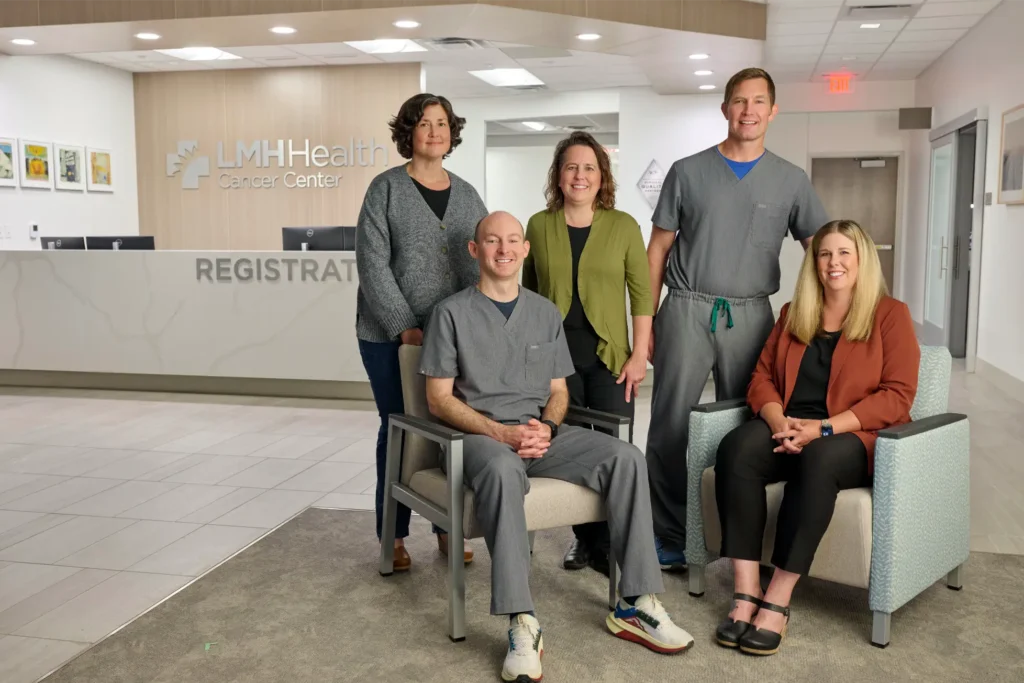
The high-risk program is a collaborative approach between oncology and breast surgery. Patients who receive a referral to the program often alternate visits between an oncologist and a breast surgeon. The first step is typically an appointment with Dr. Barr or another medical oncologist at the Cancer Center.
“During your first visit, we’ll talk about a number of things,” she said. “We’ll go over your risk score, assess whether genetic testing is appropriate and develop a personalized screening plan for you.”
Dr. Barr explained enhanced screenings may include:
- Annual mammograms
- Breast MRI
- Supplemental ultrasound for some patients with dense breast tissue
- Genetic testing when indicated by National Comprehensive Cancer Network (NCCN) guidelines
Between five and ten percent of cancers result from genetic changes passed from parents to their children, and some are associated with an increased risk of breast cancer – the most well-known being BRCA1 and BRCA2. If you have a significant family history of cancer, your oncologist may recommend genetic testing to see if you have any genetic changes that could lead to cancer.
“We work with a company called Ambry for genetic testing. If you meet the NCCN indications for genetic testing, most insurers will cover the cost. If insurance won’t cover it for some reason, Ambry makes it very financially affordable,” Dr. Barr said.
More than just a score
Your lifetime risk score isn’t the only factor that points toward an increased risk of developing breast cancer.
“A woman who comes in for a mammogram isn’t necessarily high risk based on her score. Let’s say the radiologist finds an abnormal spot and she has a biopsy that shows a high-risk lesion,” Dr. Barr said. “It increases the risk of getting a breast cancer, so that qualifies her for enhanced screening.”
High-risk biopsy findings may include:
- Atypical ductal hyperplasia (ADH)
- Atypical lobular hyperplasia (ALH)
- Lobular carcinoma in situ (LCIS)
Dr. Barr reiterated that these conditions are not cancer, but they increase the likelihood of developing breast cancer in the future.
Taking steps to reduce risk
Screening is only one piece of the puzzle. Patients may be understandably nervous when learning they’re at increased risk, but Dr. Hawasli shared there are a number of ways for risk reduction. Healthy lifestyle choices are key.
“We know that obesity, drinking alcohol, and smoking all increase the risk of developing cancer. In addition, adopting strategies such as exercise, maintaining a healthy weight can help decrease your risk,” she explained.
Medical options also exist.
“Patients with specific high-risk lesions may qualify for preventive medications that reduce risk by 50% or more. Drugs like Anastrazole or Tamoxifen block estrogen and progesterone in your system. Instead of using these to treat breast cancer, we can use it as prevention,” Dr. Barr said.
If medication isn’t appropriate, surgical options – including preventive mastectomy – may be on the table.
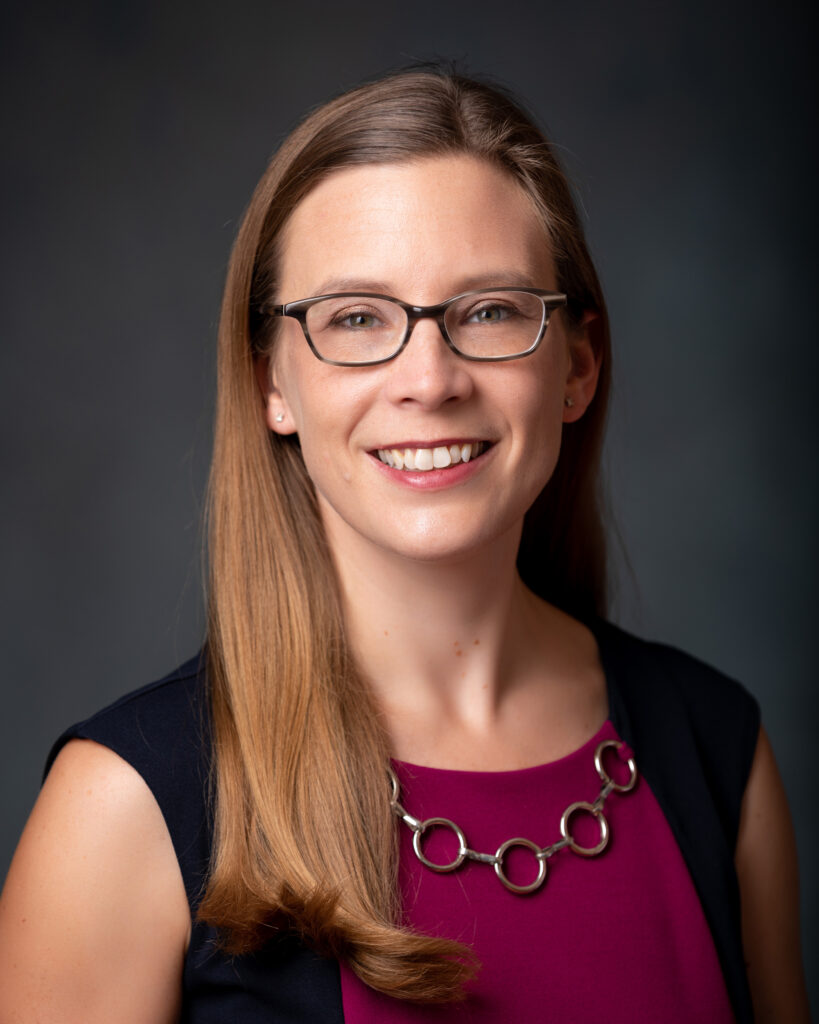
“People who are under age 60 with genetic mutations that have an extremely high risk of developing cancer have a survival benefit with a preventive mastectomy,” Dr. Hawasli said. “It can take their lifetime risk down to one or 2%.”
There’s also good news. A high-risk designation isn’t always permanent.
“Your risk factors can change over time, Your weight, age, and breast density can affect future risk calculations,” Dr. Hawasli said. “This program helps patients understand their individual risk and make informed decisions over time.”
Early detection matters
Dr. Barr and Dr. Hawasli agree that enhanced screening matters. It helps find cancers at smaller sizes and earlier stages, when patients are likely to have better outcomes and a higher rate of survival.
“We’ve been able to detect cancers through the high-risk program that may otherwise have gone undetected until they were at later stages,” Dr. Hawasli said.
That’s one reason local access matters. Before the high-risk program was developed, many patients needed to travel to larger tertiary medical centers to be able to have these screenings. LMH Health now offers the same evidence-based protocols, advanced imaging, and multidisciplinary expertise right here in Lawrence.
“Patients can receive high-risk surveillance, genetic evaluation, and specialty breast care without leaving the community. You get the same expertise at LMH Health that you would at a larger center and you don’t have to travel for care,” Dr. Barr said. “It’s amazing that we have this kind of program here that helps us catch cancer before it happens and help patients and their families stay safe moving forward.”
A high-risk designation can feel overwhelming. LMH Health’s High-Risk Breast program uses personalized screening, genetic evaluation, and risk-reduction strategies to help you be proactive and protect your health.
For media inquiries related to LMH Health contact:
Autumn Bishop – Strategic Communications Manager