Heart Failure Care
Heart failure occurs when the heart muscle becomes too weak or stiff to pump blood effectively, causing fluid to build up in the lungs and body. LMH Health provides specialized heart failure care focused on managing symptoms, adjusting treatment, and supporting patients in staying as healthy and active as possible.
Table of Contents
What It Is
Heart failure means your heart muscle has become too weak or too stiff to pump blood effectively throughout your body. When this happens, blood may back up in your lungs and other parts of your body, and your organs may not get the oxygen and nutrients they need to work properly.
There are different types of heart failure. Some people have reduced ejection fraction, which means the heart muscle does not contract effectively. Others have preserved ejection fraction, where the heart muscle is stiff and does not fill properly with blood. Heart failure can affect the left side, right side, or both sides of your heart.
Common Symptoms or When People Seek Care
- Shortness of breath during activity or when lying down
- Persistent fatigue and weakness
- Swelling in the legs, ankles, or feet
- Rapid or irregular heartbeat
- Persistent cough or wheezing
- Sudden weight gain from fluid retention
- Reduced ability to exercise
- Difficulty concentrating or decreased alertness
Causes and Risk Factors
Heart failure develops when conditions damage or overwork your heart muscle. Common causes include coronary artery disease, heart attack, high blood pressure, heart valve problems, and irregular heart rhythms. Some people develop heart failure after a viral infection affects the heart muscle.
Risk factors that increase your chances of developing heart failure include being age 65 or older, having a family history of heart failure, and certain ethnic backgrounds. Lifestyle factors such as smoking, being overweight, eating a high-salt diet, and not getting regular exercise also raise your risk. Medical conditions like diabetes and sleep apnea can contribute to heart failure as well.
How It Is Diagnosed
Your clinician may discuss several tests to evaluate your heart function. These typically include an electrocardiogram to check your heart’s electrical activity and an echocardiogram to measure how well your heart pumps blood. Your ejection fraction, which shows the percentage of blood your heart pumps out with each beat, is an important measurement. A normal ejection fraction is usually between 55 and 70 %.
Blood tests can check for markers that indicate heart stress or damage. Your clinician may also discuss chest X-rays, stress tests, or other imaging studies to see how your heart responds to activity and to rule out other conditions.
Treatment Options
Your clinician may discuss several approaches to manage heart failure. Many people take medications that help the heart pump more effectively, reduce fluid buildup, or lower blood pressure. Common medication types include ACE inhibitors, beta blockers, diuretics, and newer medications like SGLT-2 inhibitors.
Lifestyle changes often play a central role in managing heart failure. Your healthcare team may recommend limiting salt and fluid intake, staying physically active within your abilities, maintaining a healthy weight, and monitoring your weight daily at home.
For some people, medical devices may be an option. These can include pacemakers to help the heart beat regularly, implantable defibrillators for heart rhythm problems, or ventricular assist devices for advanced heart failure.
In certain situations, your clinician may discuss surgical options such as coronary artery bypass surgery to improve blood flow, heart valve repair or replacement, or in severe cases, heart transplantation.
Risks and Safety Notes
- Heart failure is a progressive condition that requires ongoing medical care and monitoring
- Without treatment, heart failure can lead to damage to other organs including the kidneys and liver
- Sudden worsening of symptoms may require emergency care
- Following your treatment plan and medication schedule is essential for managing the condition
- Regular follow-up appointments help your healthcare team adjust your treatment as needed
- Some medications for heart failure require monitoring of kidney function and electrolyte levels
Meet Our Care Team
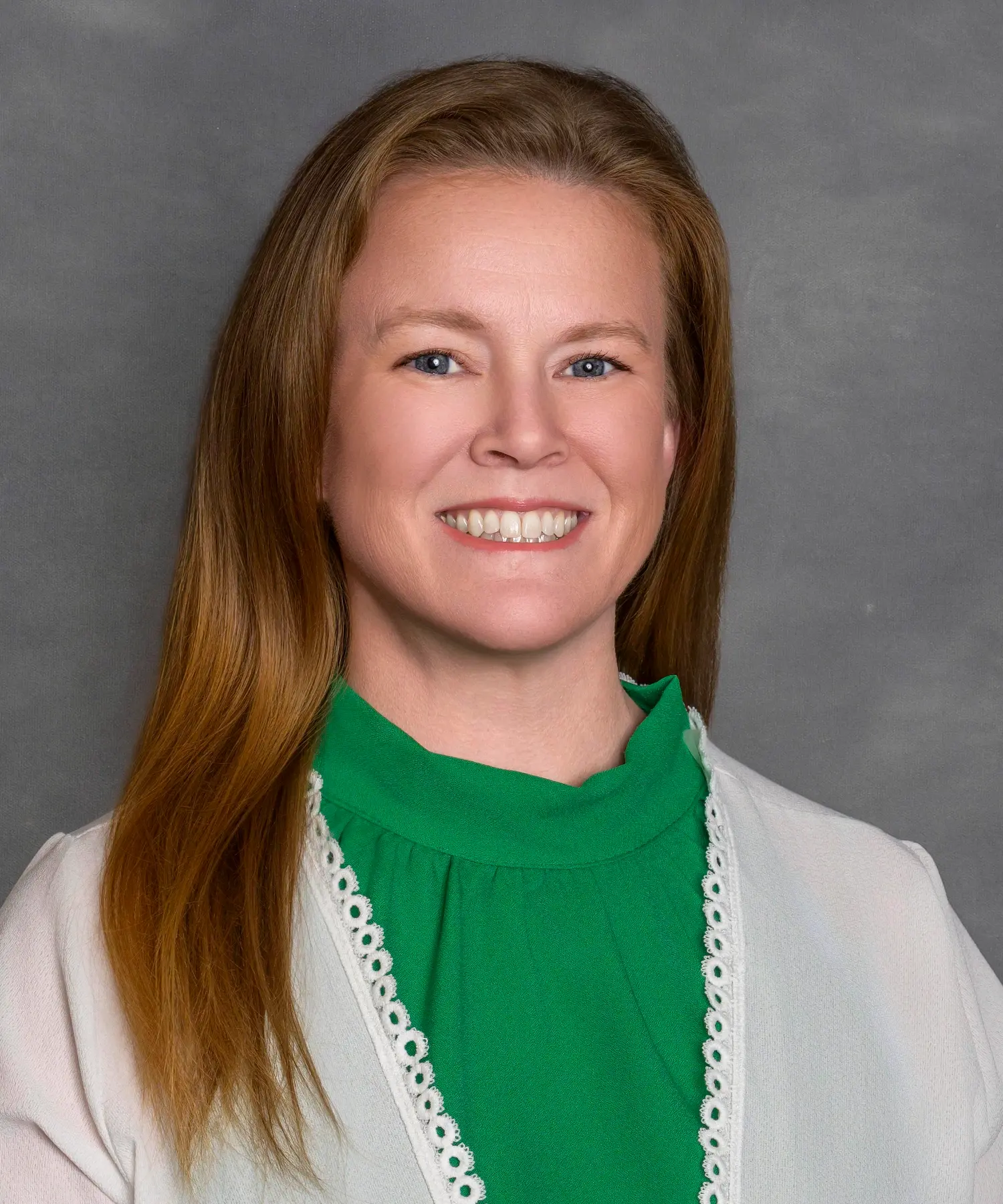
Charis Grosdidier, APRN-C, AGPCNP
Cardiology
“I was drawn toward cardiac nursing and worked in the cardiac ICU for a long time. I found that heart health impacts everyone and you can see that people improve when you help them with their heart health.”
Charis Grosdidier earned her undergraduate and master’s degrees from the University of Kansas School of Nursing. She’s been a member of the team at the LMH Health Heart Center since 2021.
“I want patients to know that it’s never too late to start taking care of your health. Make sure to talk with your healthcare providers so they can help you meet your goals and live with the best quality of life you can.”
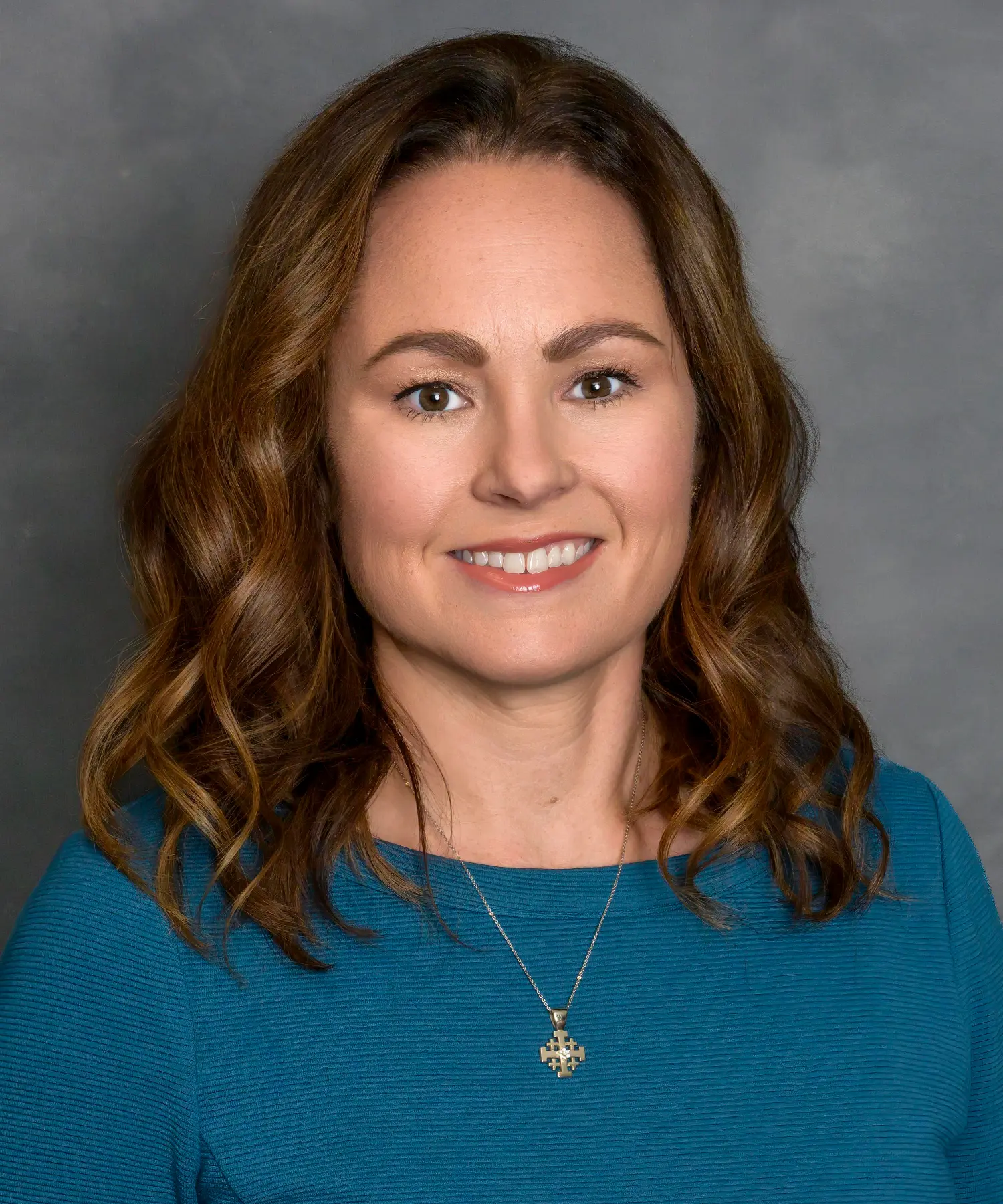
Christina Salazar, MD
Cardiology
Dr. Christina Salazar is a Lawrence native. After earning her medical degree from the University of Kansas, she completed her internship and residency training in internal medicine at Ohio State University followed by a fellowship in cardiovascular medicine. She is board certified in internal medicine and cardiology.
Darcy Green Conaway, MD
Cardiology
"I want patients to know that when they walk into our office, we know they’re nervous and worried. My job is to give them the education they need and to help ease their concerns. It’s my job to do the worrying."
Dr. Darcy Conaway earned her medical degree from the University of Kansas School of Medicine and completed her internship and residency in internal medicine at KU Medical Center. She completed a research fellowship in cardiology outcomes, followed by additional fellowships in cardiology and nuclear cardiology.
"If I could tell my patients anything, it would be to listen to their body. If they don’t feel right, they know that. And if they feel the need to be checked out, they should be. That’s what we’re here for."
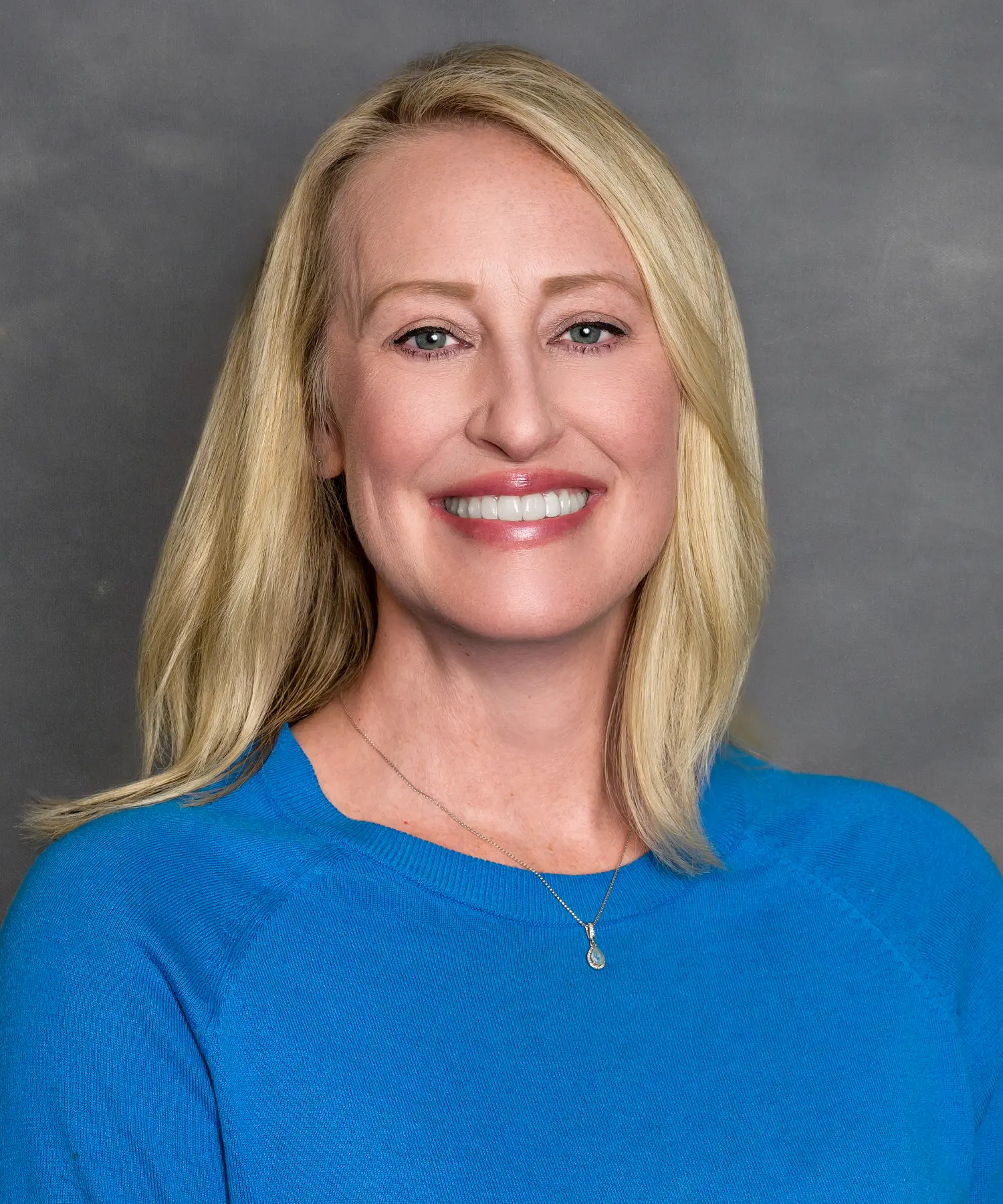
Elizabeth M. Guastello, MD
Cardiology
"I enjoy taking care of patients and seeing them year after year with a new problem, helping them through it and seeing they got better. It's such a rewarding thing being able to take care of patients - it's an honor and privilege."
Dr. Guastello attended the University of Missouri-Kansas City and earned her medical degree in 2006. She completed an internal medicine residency at the University of Michigan and a cardiovascular fellowship at the University of Missouri-Kansas City, training at St. Luke's Hospital. She is board certified in internal medicine and cardiology.
"We're a small town community that looks after each other and I want patients to feel that when they walk into my office. "We trust each other. They know my front staff, my nurse and we know each other by name."
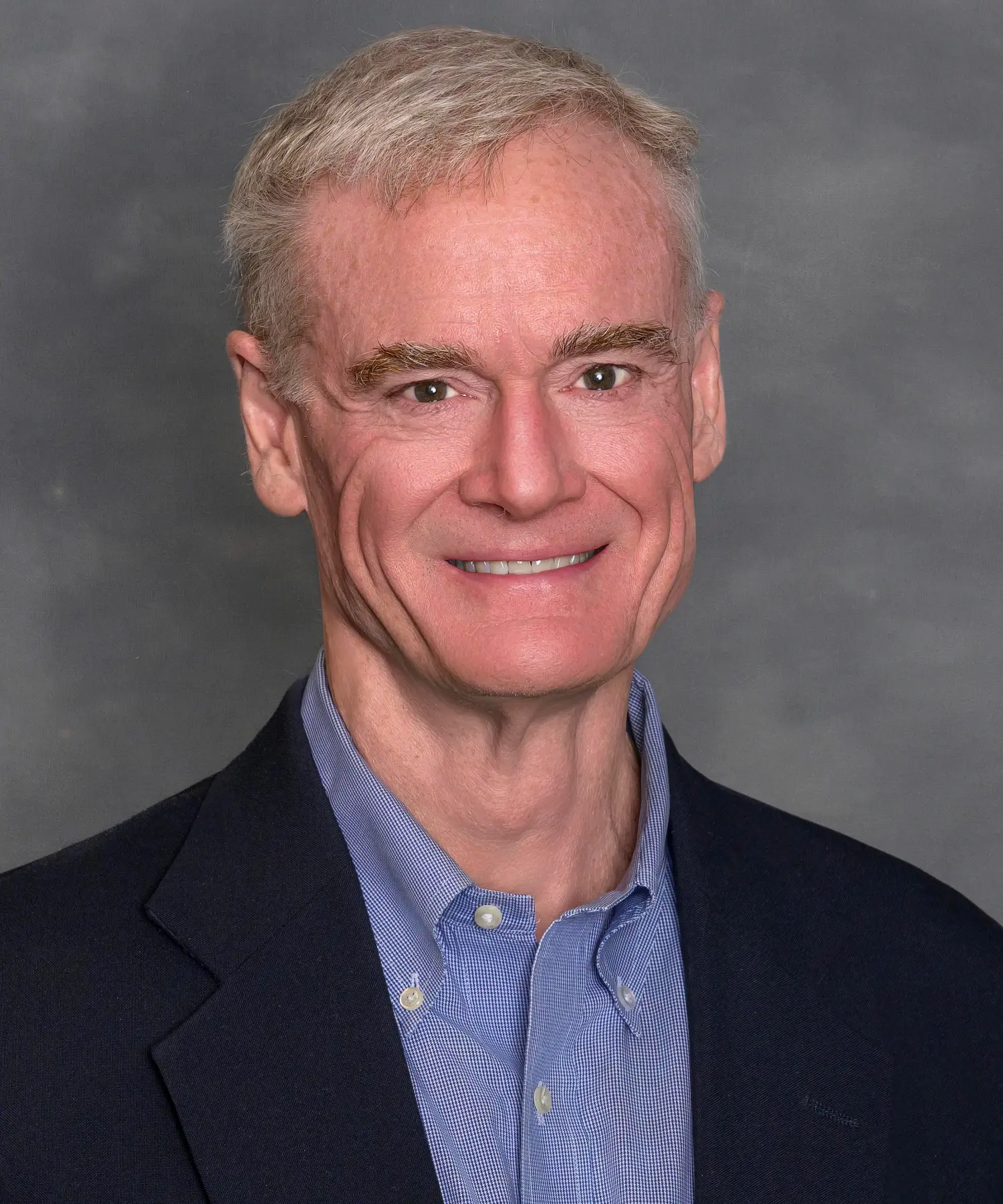
K. Michael Zabel, MD, FASE
Cardiology
“I don’t think you can go anywhere and get better care from the cardiologists and the nurses and technicians than you can at the LMH Health Heart Center. Most of us have quite a few years of experience, but most of my partners don’t have as much grey hair as I do,” Dr. Michael Zabel says with a smile.
Dr. Zabel earned his medical degree from Washington University School of Medicine, and completed his residency and fellowship training in cardiology at Duke University.
“I enjoy treating heart failure patients, those with ischemic heart disease and valvular heart disease, which we’re seeing more of because it tends to be age-related,” he said. “I want my patients to know not to worry too much about this. We can treat almost everything.”
Dr. Zabel is a Fellow of the American Society of Echocardiography and is board certified in cardiovascular disease.
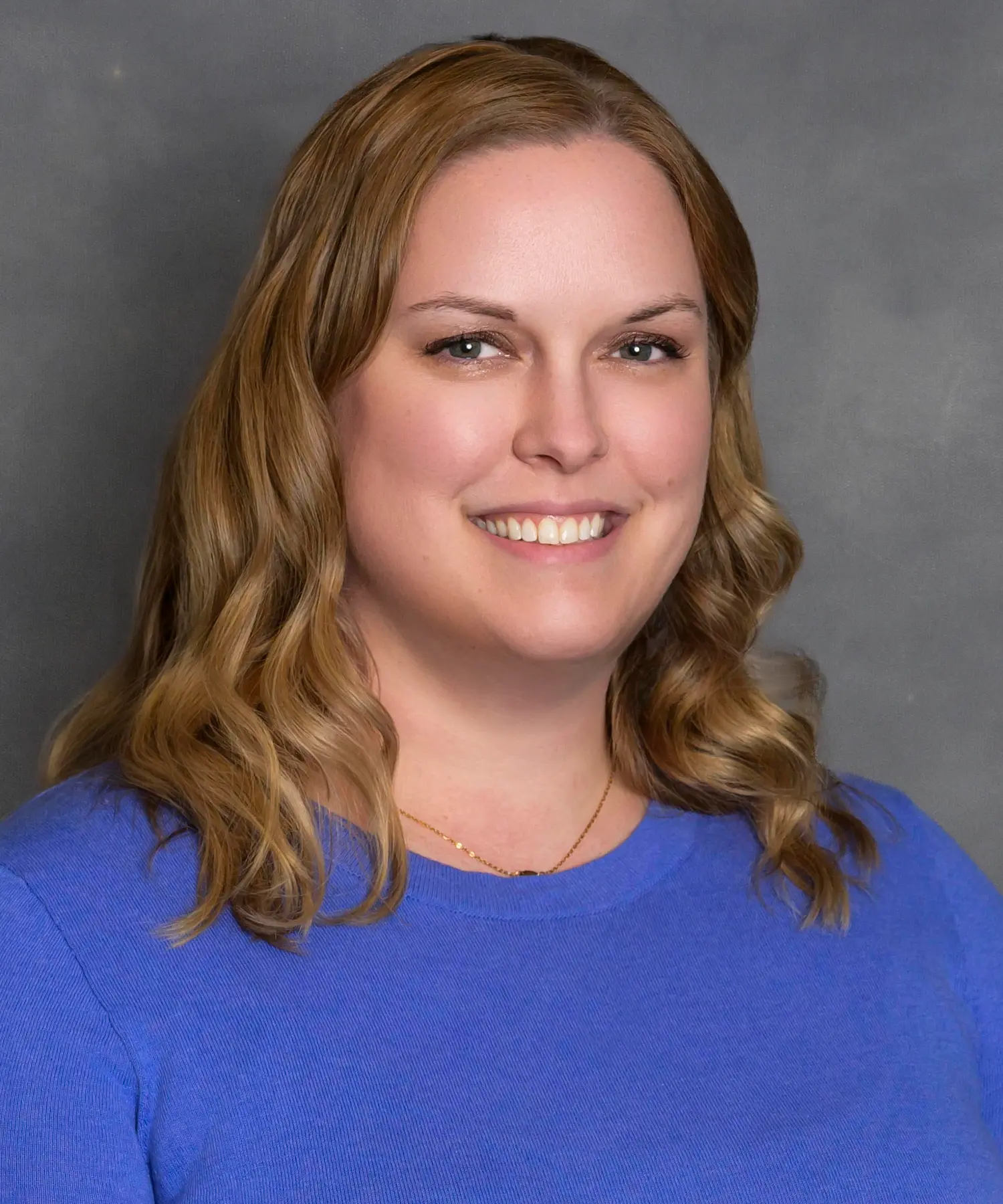
Lauren E. Perez, APRN-C, AGPCNP
Cardiology
Lauren Perez began her healthcare career as a Junior Volunteer at LMH Health. She went on to earn both a bachelor's degree and a master's degree in nursing from the University of Kansas. Her focus during graduate school was as a primary care nurse practitioner specializing in adult and gerontology care.
“I was hired as a nurse on the 2-East/ICU unit after graduation and worked full time for several years,” she said. “After I finished graduate school in 2014, I began working at the Internal Medicine Group (now LMH Health Primary Care-6th and Folks Road) as a nurse practitioner.”
Working in primary care gave Perez a great foundation, but she knew she’d eventually like to work in cardiology. When a position opened at the LMH Health Heart Center in 2018, she jumped at the chance.
“I enjoy working with heart failure patients,” she said. “They’re complex and I get to know them as I see them back so often. It’s my goal to get my patients feeling their very best.”
Matthew Bunte, MD
Cardiology
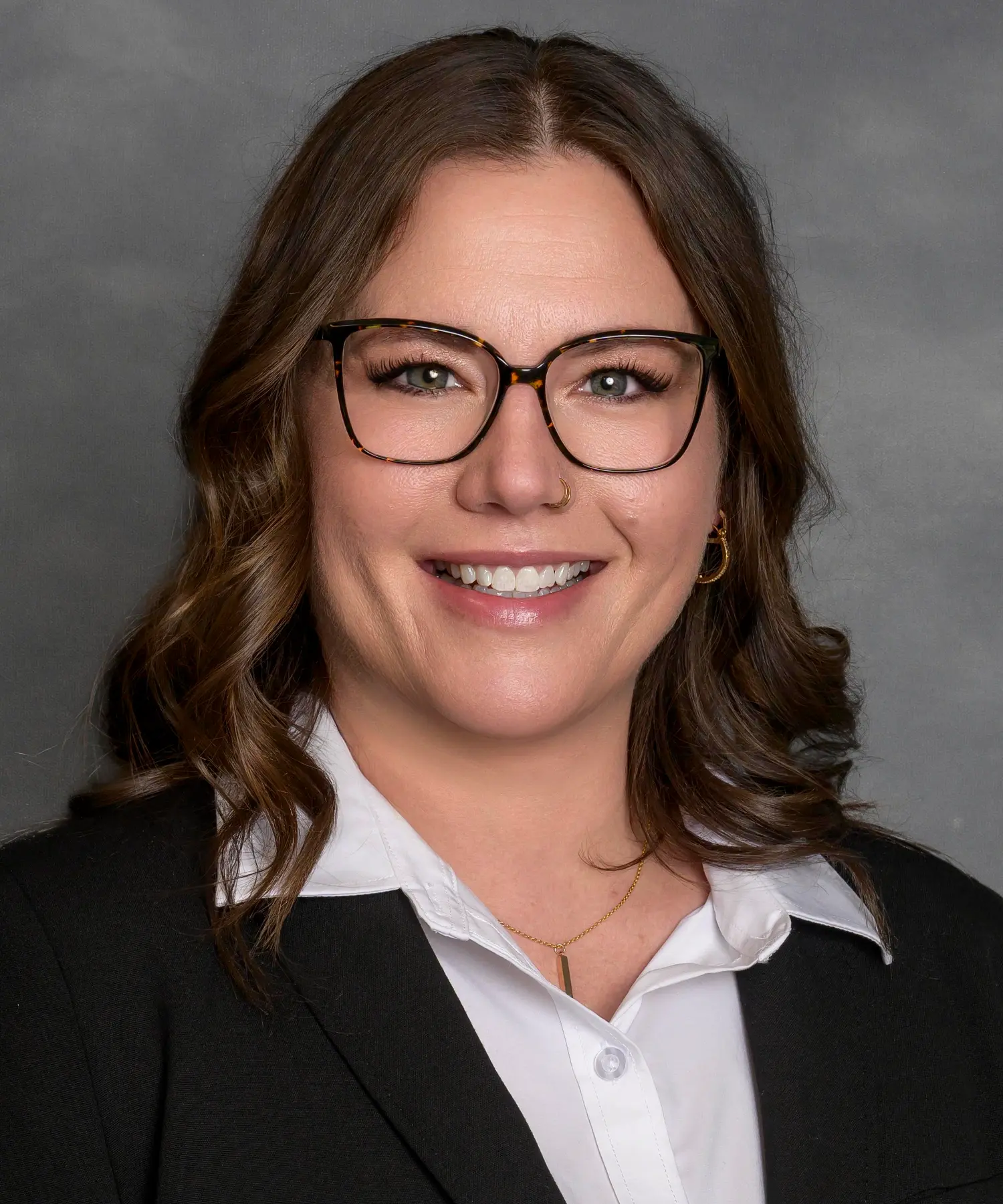
Tanya Eckhardt, APRN
Cardiology
Tanya Eckhardt says she’s known that she wanted to work in healthcare since she was little.
“My dad was a first responder, so I grew up in that environment. I loved seeing him helping people and I knew this is what I was meant to do.”
Tanya earned her undergraduate degree from Washburn University and graduated from Walden University with a Master of Science in Nursing. She worked as an ICU nurse for 10 years before transitioning to cardiac care.
“I took care of a lot of cardiology patients in the ICU and know that it can be really scary to get a new diagnosis, especially when it’s concerning your heart. I want patients to know that our whole team is here to support you.”

Other Services
Heart Health & Disease Prevention
Lifestyle and medical strategies to prevent and manage heart disease
Blood Clot Prevention
Anticoagulation management to prevent and safely monitor blood clots
Interventional Radiology
Image-guided minimally invasive procedures for vessels and tumors
Cardiac Rehabilitation
Supervised exercise and education program to strengthen heart health
Heart & Vascular Care
Cardiology for heart disease, arrhythmias, and vascular conditions