Interventional Radiology
Interventional radiology uses image guidance (X-ray, ultrasound, CT, MRI) to perform minimally invasive procedures that previously required open surgery. Interventional radiologists treat conditions throughout the body by accessing blood vessels and organs through tiny incisions. Procedures offer advantages of less pain, shorter recovery, and fewer complications compared to traditional surgery.
Table of Contents
Who This Is For
Patients needing minimally invasive treatment for blocked blood vessels, tumors, uterine fibroids, varicose veins, liver/kidney problems, or requiring biopsies, drain placements, or central line insertions.
Common Procedures
Angiography and Angioplasty: Opening blocked blood vessels, treating peripheral artery disease.
Embolization: Blocking blood flow to tumors, controlling bleeding, treating fibroids or varicoceles.
Tumor Ablation: Destroying tumors with heat, cold, or chemicals.
Biopsies: Image-guided tissue sampling.
Port Placement: Inserting catheters for chemotherapy or long-term IV access.
Vertebroplasty/Kyphoplasty: Treating spinal compression fractures.
Drain Placement: Treating fluid collections.
Advantages
Minimally invasive with small incisions. Usually outpatient or short hospital stays. Faster recovery than surgery. Lower complication rates. Often performed with conscious sedation rather than general anesthesia.
Meet Our Care Team
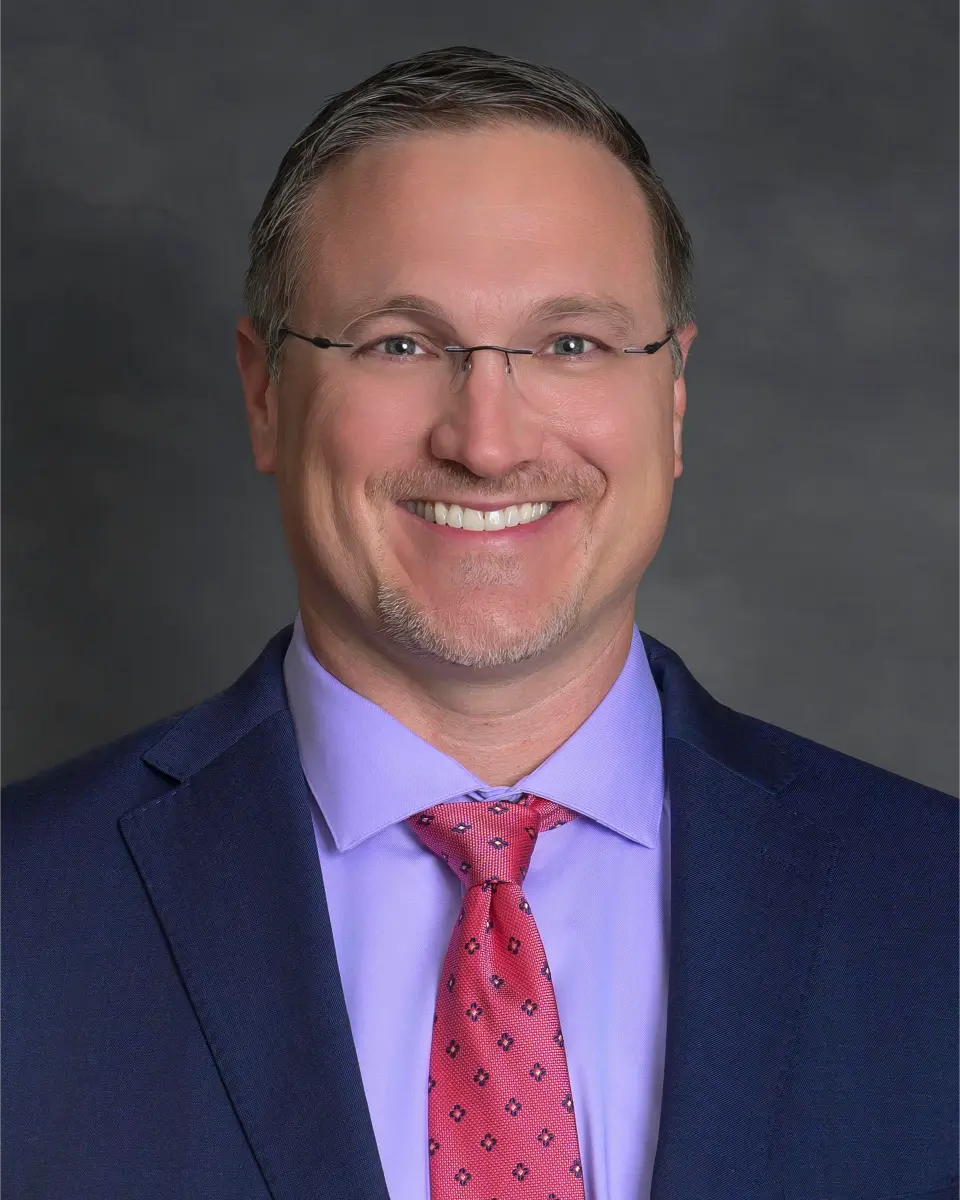
Aaron Doonan, MD
Cardiology
Aaron Doonan, MD, earned his undergraduate degree in biology from Washburn University and his medical degree from the University of Kansas School of Medicine. He completed his internal medicine residency at the Cleveland Clinic and cardiology training at the University of Minnesota. Dr. Doonan is a member of the American Heart Association, American College of Cardiology and the Society for Cardiac Angiography and Interventions.
“During high school when I was working on a project about my future career, my father recommended that I look into being a doctor. It was a good recommendation, given where I am today.”
Doonan decided to become a cardiologist because he wanted to be part of hands-on interventions. He has a special interest in complex coronary artery disease and cardiogenic shock.
“There is something special about being a part of a patient’s recovery. It’s an amazing feeling to get to watch them interact with their family and do what they love.”
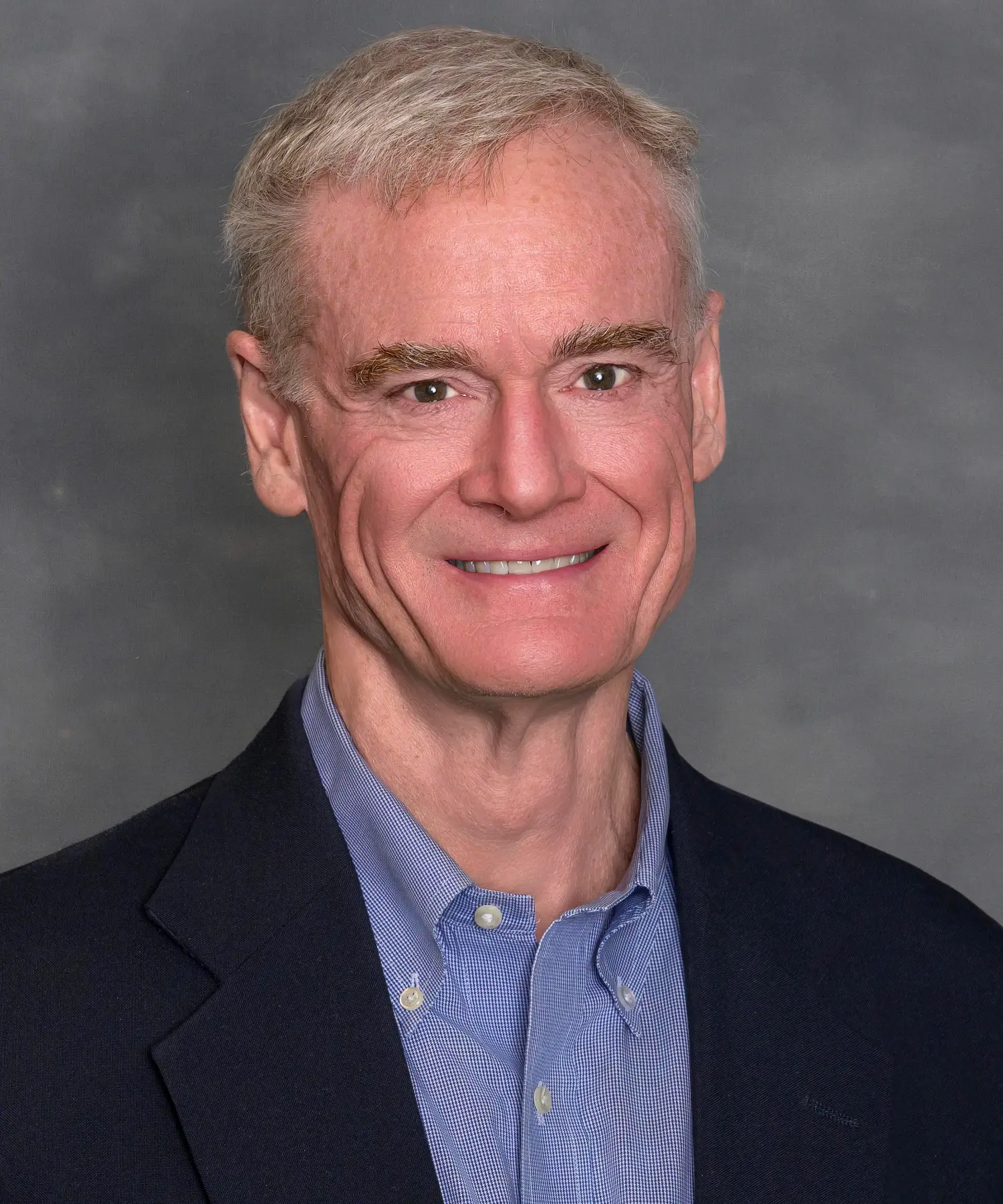
K. Michael Zabel, MD, FASE
Cardiology
“I don’t think you can go anywhere and get better care from the cardiologists and the nurses and technicians than you can at the LMH Health Heart Center. Most of us have quite a few years of experience, but most of my partners don’t have as much grey hair as I do,” Dr. Michael Zabel says with a smile.
Dr. Zabel earned his medical degree from Washington University School of Medicine, and completed his residency and fellowship training in cardiology at Duke University.
“I enjoy treating heart failure patients, those with ischemic heart disease and valvular heart disease, which we’re seeing more of because it tends to be age-related,” he said. “I want my patients to know not to worry too much about this. We can treat almost everything.”
Dr. Zabel is a Fellow of the American Society of Echocardiography and is board certified in cardiovascular disease.
Kevin Bamberger, MD
Emergency Medicine
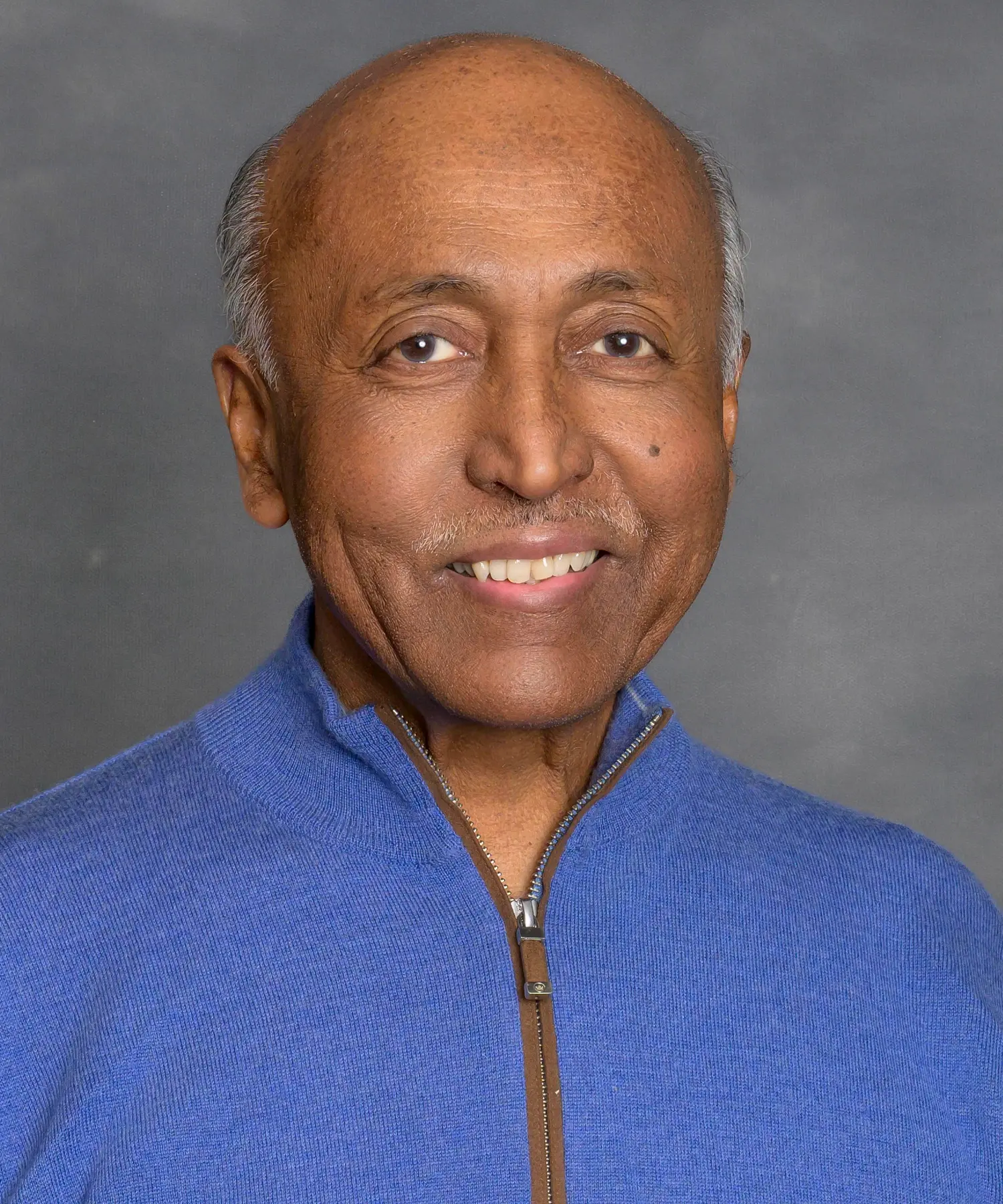
Thomas Kurian, MD, FACC
Cardiology
Thomas Kurian, MD, FACC, earned his medical degree from Seth G.S. Medical College & King Edward Memorial Hospital in Bombay, India. He completed his residency in internal medicine and completed an adult cardiology fellowship at Henry Ford Hospital in Detroit, MI. He also completed an interventional cardiology fellowship and a nuclear cardiology preceptorship.
Dr. Kurian wants his patients to know that he will work hard to find answers, research and treatments for his patients to have an accurate diagnosis and give proper care.
He is board certified in internal medicine, cardiovascular diseases and interventional cardiology. Dr. Kurian is an active fellow of the American College of Cardiology and in his free time, he enjoys being with family, flying kites and being active outdoors.

Other Services
Heart Health & Disease Prevention
Lifestyle and medical strategies to prevent and manage heart disease
Blood Clot Prevention
Anticoagulation management to prevent and safely monitor blood clots
Cardiac Rehabilitation
Supervised exercise and education program to strengthen heart health
Heart & Vascular Care
Cardiology for heart disease, arrhythmias, and vascular conditions
Heart Failure Care
Treatment and monitoring for heart muscle weakness and heart failure