
Pregnancy and childbirth
Pregnancy care at Lawrence OB-GYN Specialists begins with an initial prenatal visit to review medical history, confirm your due date, and arrange a schedule for ongoing prenatal appointments. Your care team is available to answer questions about what to expect throughout your pregnancy, delivery, and the postpartum period.
Table of Contents
Pregnancy and childbirth
If you are pregnant or hope to become pregnant soon, you likely have many questions about pregnancy, childbirth and the OB-GYN care we provide. Answers to many commonly asked questions are provided below – just click on a question to view the answer.
What can I expect at my OB-GYN visits during my pregnancy?
During your first prenatal visit, we will discuss your medical history, conduct a physical exam, order lab tests, calculate your due date and arrange your prenatal care plan. We will also provide a new OB packet that explains your pregnancy and your baby’s development in depth, and you will be given the opportunity to watch an introductory video for more information.
Unless otherwise instructed, you can expect to make monthly visits throughout your first 28 weeks, then every 2-3 weeks until your 36th week, when you will need to be seen weekly for the remainder of your pregnancy. During each visit, we will evaluate your progress thoroughly.
Getting pregnant is harder than I expected. Should I consult Lawrence OB-GYN Specialists about it?
Yes. We can provide detailed information regarding fertility awareness methods, which involve attempting to conceive at your most fertile monthly stages. You may be experiencing infertility issues, and our OB-GYN physicians can run some basic infertility tests to help determine why you have not been able to get pregnant. Common reasons to consider infertility testing include irregular menstrual cycles or ovulation periods, difficulty conceiving when birth control has not been used for at least one year (for women ages 20-35) or at least six months (for women over 35).
What medications can I take during my pregnancy?
As a general rule, you should try to avoid or minimize medication during your pregnancy. However, certain drugs are considered safe, and over-the-counter (OTC) medications will usually indicate on the label if they are okay for pregnant women.
It is NOT considered safe to take any drug containing phenylephrine at any time during pregnancy. Products containing pseudophedrine are considered safe during the second and third trimesters, but some studies indicate risks associated with pseudophedrine use in the first trimester. Always check OTC medications for alcohol or aspirin and avoid any products that contain these ingredients as well. Medications should be taken as directed and for no longer than seven days.
If you are diabetic, check with your OB-GYN physician before taking any medications, even if the label indicates it’s safe for use during pregnancy.
View a list of OTC medications that are safe during pregnancy and breastfeeding.
How much weight gain is normal during pregnancy?
Typically, pregnant women need around 300 more calories per day than women who are not pregnant. As always, the amount of weight you will gain is dependent on several factors including diet and exercise, but as a general rule, gaining 25-35 pounds is considered healthy and normal during pregnancy (more for twins and other multiples).
Is it safe to travel during pregnancy?
The primary concern about travel while pregnant is being away from your chosen OB-GYN provider and hospital or birthing center if any emergencies occur. Commercial air travel is not considered unsafe for women with healthy pregnancies, but changes in air pressure, oxygen levels and humidity can increase the risk of complications like clotting, dehydration and more. You should drink plenty of fluids, flex your leg muscles and walk the aisles occasionally to prevent problems. Repeated exposure to radiation at security points is another concern, so talk to your OB-GYN physician if you must fly frequently during your pregnancy.
Is it safe to swim or use hot tubs during pregnancy? What about tanning beds?
Swimming in cool or warm water is safe, and it’s considered a great way to get exercise during pregnancy. However, hot tubs, steam rooms, saunas and tanning beds are considered unsafe due to their extreme heat, which can cause your blood pressure to drop and your baby’s heart rate to become irregular. Pregnant women should avoid temperatures above 100°F.
What causes “morning sickness,” and how can I get relief from it it?
Hormonal surges and changes during pregnancy can cause nausea to occur at any point in the day, but it is often worse in the morning due to lower blood sugar levels. To relieve or prevent nausea and vomiting, get plenty of protein, fiber, rest, exercise and water. Avoid greasy, spicy, very sweet and strong-smelling foods. Although not all pregnant women experience it, nausea is not cause for concern unless severe—at which point, dehydration may occur. Contact your OB-GYN physician if you are experiencing persistent, severe nausea during your pregnancy.
What foods, drinks and dietary supplements should I avoid during pregnancy?
As always, a healthy, balanced diet and plenty of water is recommended. Avoid consuming too much mercury by limiting fish to two meals per week, and only low-mercury fish like salmon, tuna or catfish. Low levels of caffeine are okay, but you should avoid drinking too much coffee, caffeinated tea or soda. You should not drink alcohol or use tobacco products while pregnant. Unless otherwise instructed by your OB-GYN physician, do not take any dietary supplements other than your prenatal vitamins.
What kinds of problems should I report to my OB-GYN provider?
We are here to help you throughout your pregnancy, so contact us if you notice anything out of the ordinary, particularly if you experience any of the following:
- Vaginal bleeding at any time (the only exception being right after a pelvic exam, when slight bleeding is normal)
- Fluid trickling or flowing from the vagina
- Severe abdominal pain
- Decreased fetal movement
- Dizziness or blurred vision
- Severe, persistent headache that’s not relieved with acetaminophen, food or rest
- Persistent vomiting for more than 24 hours
- Swelling in your hands and face
How soon can I find out if my baby is a boy or girl?
We can determine the baby’s sex with confidence in the middle of the second trimester. Most patients typically have a sonogram around that time.
Can I continue to have sex during pregnancy, even in my third trimester?
Yes. Pregnant women can safely have sex through the ninth month, although women at high risk of preterm labor should consult their OB-GYN provider for additional guidelines.
How will I know when I’m in labor?
If your contractions come at regular intervals and steadily get stronger despite making changes in your movements and positions, you are likely in labor. No matter what, however, if you are experiencing pain and feel you might be in labor, you should contact us at 785-505-4950. If it is after office hours, your call will be directed to our on-call OB-GYN physician.
We also offer a range of classes to help you prepare for childbirth and beyond. Visit our Pregnancy & Childbirth Classes and Events to lean more.
Where can I find more information about pregnancy and childbirth?
Information on a variety of topics related to pregnancy is available in our patient resources.
What can I expect after my baby is born?
The postpartum period lasts for six weeks after childbirth. During this time, your body will undergo many changes as it accommodates early motherhood while also returning to pre-pregnancy “normal.” Sometimes these changes can be challenging for new moms, so talk to your OB-GYN physician if you experience postpartum depression or other concerns. For your convenience, we provide all new moms with a postpartum patient guide, and additional information about postpartum support is available through your Lawrence OB-GYN Specialists provider and through LMH Health. As always, we also encourage you to ask questions and speak openly with your OB-GYN physician.
We also offer a range of classes and support groups for new parents. Visit our Parenting Classes and Events to learn more.
Will I need a postpartum exam even if I’m not experiencing any problems after delivery?
Yes. To make sure your body returns to normal naturally, postpartum visits are an important part of all pregnancy care plans at Lawrence OB-GYN Specialists. We recommend an office visit at 1-2 weeks after childbirth (as directed by your OB-GYN physician), and then another routine postpartum exam at 6 weeks after your delivery. For C-sections, we will want to check your wound for proper healing about two weeks after surgery, then see you again four weeks later for the routine postpartum exam.
Choose the OB-GYN team that 9 out of 10 patients recommend.
Call 785-505-4950 for appointments.
Office hours are Monday-Friday, 8:00 a.m. to 5:00 p.m. We are located on the third floor of the Lawrence Health Plaza, adjacent to the Family Birthing Center at LMH Health.
Meet Our Care Team

Michele A. Bennett, MD, FACOG
Gynecology
Dr. Bennett joined Lawrence OB-GYN in 2011. She earned her medical degree at the University of Kansas School of Medicine in 2006 and completed here OB-GYN internship in 2007. Her residency was completed in 2010 at the University of Utah Hospitals & Clinic, Salt Lake City, Utah, where she also worked as a clinical instructor in the OB-GYN department.
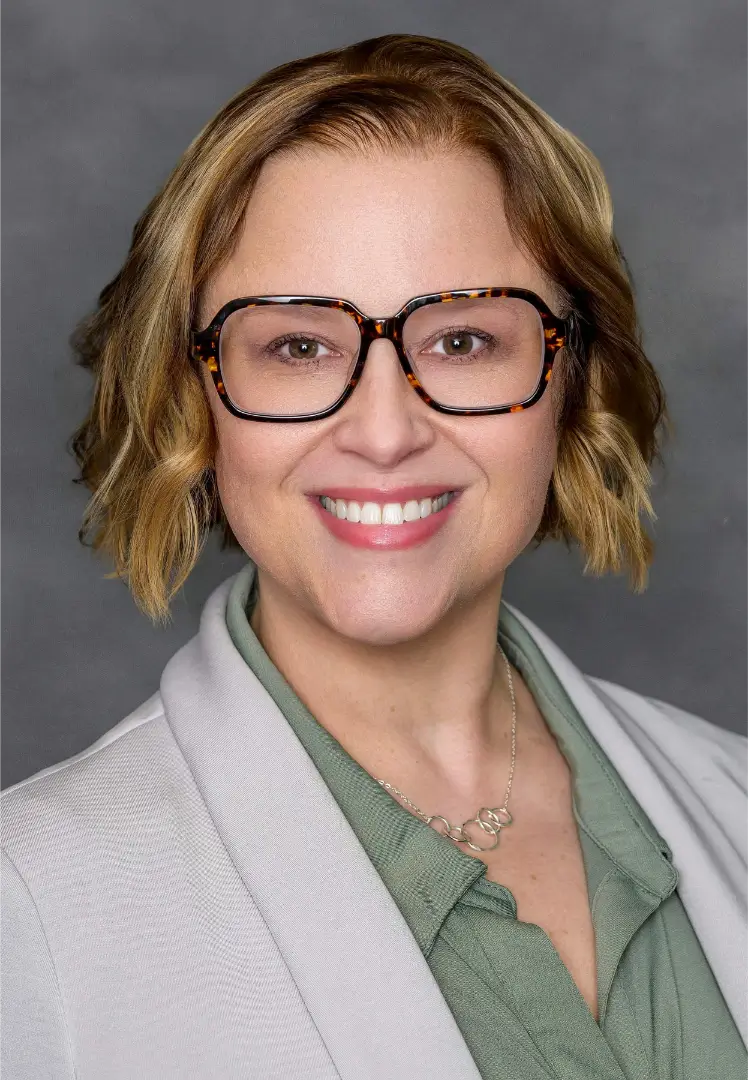
Lynley Holman, MD, FACOG
Gynecology
Dr. Holman joined Lawrence OB-GYN Specialists in 2015. She worked in her hometown of Junction City, Kansas for 5 years before coming to Lawrence. She earned her medical degree at the University of Kansas School of Medicine in 2005 before completing a four-year obstetrics and gynecology residency at Maricopa Medical Center/St. Joseph's Hospital and Medical Center, Phoenix, Arizona.

Logan J. Kracht, MD, FACOG
Gynecology
Logan Kracht, MD, earned his medical degree from the University of Kansas School of Medicine and completed his residency in Obstetrics and Gynecology at the University of Missouri-Kansas City School of Medicine. Prior to joining the LMH Health team, Kracht worked for the Women’s Clinic of Johnson County-Olathe.
Kracht enjoys performing minimally invasive surgeries and getting his patients back to their daily life as quickly as possible. He is board-certified and is a member of the American Association of Gynecologic Laparoscopists and the American College of Obstetricians and Gynecologists.
Kracht enjoys spending his time away from work spending time with his wife and children and playing outside, going to the pool, playing board games and fishing.

Emily Riggs, MD, FACOG
Gynecology
Dr. Riggs joined Lawrence OB-GYN in 2013. She earned her medical degree at the University of Kansas School of Medicine in 2009. She then completed postgraduate residency training in OB-GYN at the Exempla St. Joseph Hospital, Denver, Colorado, in 2013.
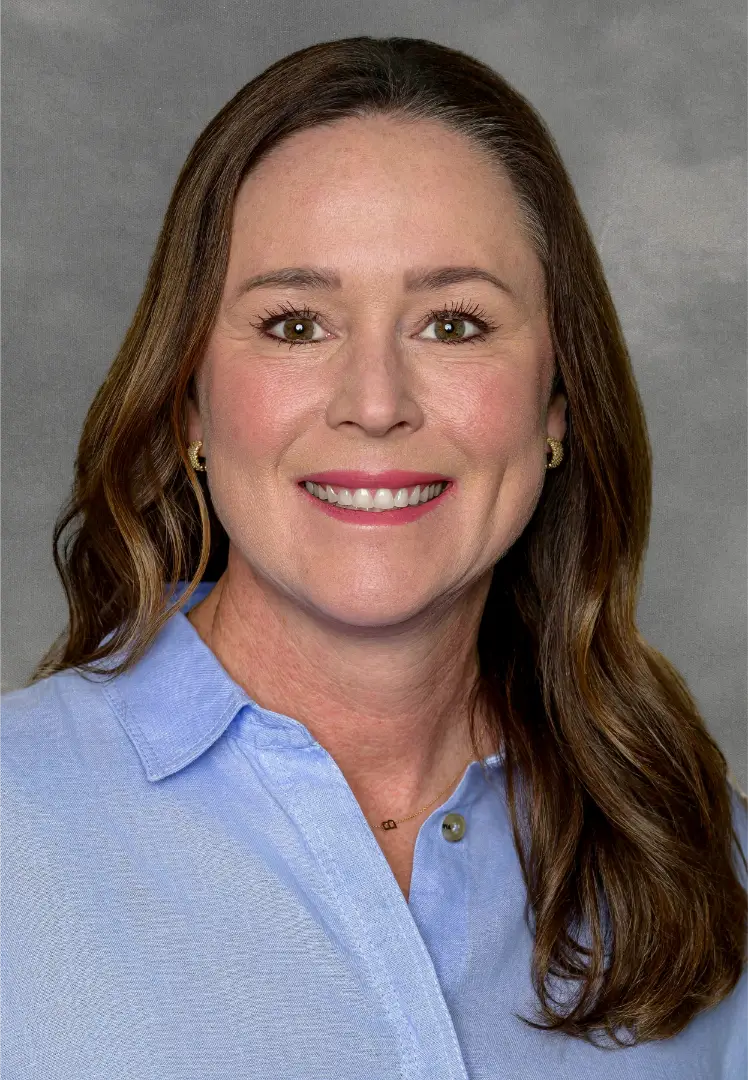
Leslie Underwood, MD, FACOG
Gynecology
Dr. Underwood grew up in Oklahoma and earned a bachelor's degree in health and sports science in 2000 at the University of Oklahoma, where she was an Academic All-American in golf. She completed her medical degree at the University of Oklahoma College of Medicine in Oklahoma City in 2006. Dr. Underwood finished her residency in obstetrics and gynecology at the University of Missouri-Kansas City in 2010 and joined the staff at Austin Regional Clinic in Austin, Texas. She joined Lawrence OB-GYN in 2014 and is Board certified in Obstetrics and Gynecology.

Grace Schock, DO
Gynecology
Grace Schock, DO, is an obstetrician and gynecologist who provides comprehensive care for women through every stage of life. She earned her medical degree from Des Moines University College of Osteopathic Medicine and completed her residency in obstetrics and gynecology at the University of Nebraska Medical Center in Omaha. She earned her bachelor's degree in biology from the University of Kansas.
Dr. Schock's clinical and research experience includes obstetric and gynecologic care, cervical dysplasia and improving care following gynecologic procedures. Her background also includes teaching medical students and research focused on women's health.
Dr. Schock has strong ties to Lawrence. Before attending medical school, she worked at Lawrence Memorial Hospital as a rehabilitation aide and at a Lawrence pharmacy as a pharmacy technician.

Crystal Dunbar, APRN
Obstetrics
Crystal Dunbar, MSN, APRN, FNP-C, joined the Lawrence OB-GYN Specialists team in 2021, though she has been with LMH Health since 2003. She received her undergraduate degree from the University of Kansas and earned her master’s degree from Maryville University in St. Louis, MO. Dunbar is an active member of the American Academy of Nurse Practitioners, American Heart Association, American Academy of Pediatrics and is a part of the Sigma Theta Tau International Honor Society.

Holly A Dunoon, APRN
Gynecology
Holly Dunoon is a board certified Women's Health Nurse Practitioner who completed her master's degree from the University of Missouri at Kansas City. She earned her bachelor's in nursing from the University of Illinois at Chicago in 2007 and also earned a bachelor's degree in French and Psychology from the University of Kansas in 2005. Prior to earning her master's degree, Holly worked as a nurse at the University of Kansas Medical Center caring for postpartum women, newborns and women with high-risk pregnancies.

Natalie Gepford, APRN, CNM, MSN
Gynecology
Natalie Gepford, MSN, CNM, APRN, earned her nursing degree from Baker University and her master's degree from Frontier University in Hyden, KY where she also earned a post-master’s certificate in women's health. Gepford is an active member of the American College of Nurse Midwives and the American College of Obstetrics and Gynecology.

Melissa Hoffman, APRN, DNP, PMHNP-BC
Psychiatry
Melissa Hoffman, DNP, APRN, PMHNP-BC, has been with LMH Health since 2001. Though she has served in different roles, her focus has been providing nursing care and education on labor and delivery and maternal mental health. Hoffman received her Doctor of Nursing Practice from the University of Kansas School of Nursing in 2018 and joined Lawrence OB-GYN Specialists in 2019. She is an experienced maternal mental health provider, speaker and trainer and treats patients with post-partum depression. She is a board-certified psychiatric mental health Nurse Practitioner.

Kelly Jimenez, APRN
Gynecology
A longtime LMH Nurse within the Family Birthing Center, Kelly received her Master of Science in Nursing from the University of Kansas School of Nursing in 2015. Many hours of her graduate clinical experience were spent within Mt. Oread Family Practice.
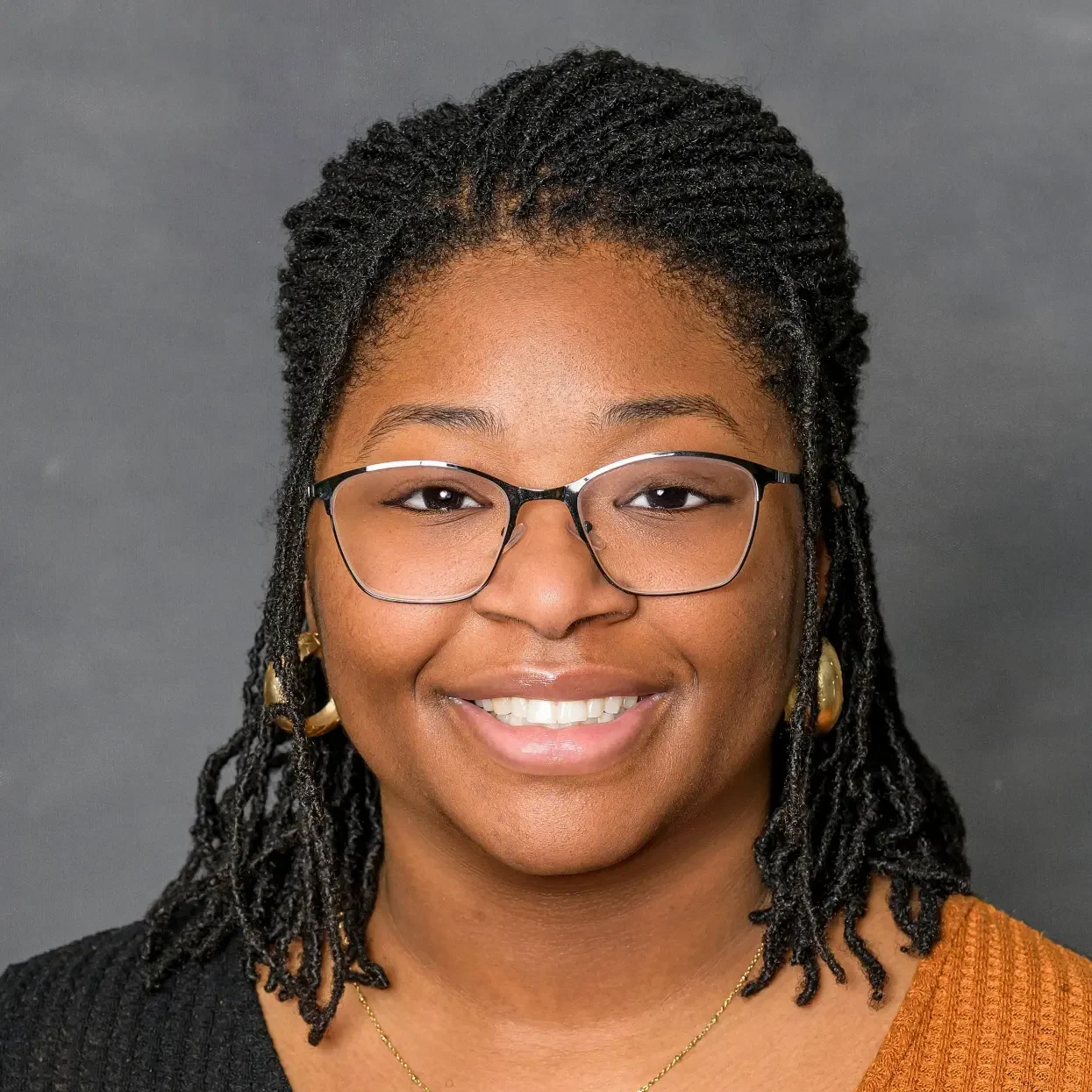
Edna McCrary, APRN
Gynecology
Edna McCrary earned her undergraduate nursing degree from William Jewell College and her master’s degree from Frontier Nursing University. She is a board-certified women’s health nurse practitioner. Prior to joining LMH Health, Edna worked as a labor and delivery nurse in the Kansas City area and a nurse practitioner at Swope Health Central.

Pamela Pray, APRN, CNM, MSN
Gynecology
Pam Pray joined Lawrence OB-GYN Specialists in fall 2012. Pam has worked as a Certified Nurse Midwife since earning her CNM certification in 2005 at Kentucky's Frontier School of Midwifery and Family Nursing, where she also completed her master's in nursing in 2007. Before going to Kentucky to pursue midwifery, she graduated with a bachelor's in nursing from Washburn University in Topeka and worked for nearly ten years as an OB-GYN and labor and delivery nurse in the Kansas City metro area.

Other Services


Family Birthing Center
Labor and delivery services with personalized, family-centered care
Infant Nutrition Center
Lactation support, breast pump rental, and infant feeding guidance
Planning Baby's Birth
Birth planning for natural, medicated, and cesarean delivery options
Postpartum & Parenting Support
Postpartum nursing care, breastfeeding support, and parenting guidance