
Low Vision Therapy
Low vision is a level of visual impairment that cannot be fully corrected with glasses, surgery, or medication and affects a person's ability to perform daily tasks. Low vision therapy helps individuals make the most of their remaining sight through adaptive strategies, specialized tools, and rehabilitation techniques.
Table of Contents
Low vision is a visual impairment that cannot be corrected by medical or surgical intervention and is severe enough to interfere with the performance of daily living tasks. If you have low vision you will have some usable vision. This is different from blindness, which is defined as no light perception, leaving the person without usable vision for daily activities.
Tasks such as meal preparation, money management, self-care, shopping, laundry, and negotiating public spaces are often significantly impaired with low vision. Daily routines which were once done easily and quickly can become challenging, frustrating and time consuming. Applying toothpaste, seasoning foods, setting dials on appliances, shopping, and reading labels and recipes are commonly impaired by vision loss.
So, what can be done to regain independence in daily living and to rediscover ways to enjoy life-long leisure skills? Can simple modifications to a home environment improve safety and make meal preparation and household tasks easy again? How can you be able to enjoy reading again?
A new program at LMH Therapy Services has been designed to provide low vision rehabilitation for the Lawrence community. An occupational therapist, in collaboration with your doctor, will evaluate problems related to your vision and create a personalized treatment plan.
Therapy offers a way to tackle some of the everyday problems that are slowing you down. An occupational therapist will:
- Assess your challenges and needs: Do you have trouble reading fine print? Do you have problems with using a computer due to your vision?
- Formulate goals and strategies to address each problem: Therapy focuses on how you can maximize your remaining vision. You may need to use optical devices like a magnifying glass, change the lighting in your kitchen or change the contrast color of your work surface.
- Recommend simple home modifications: The therapist will make recommendations for simple changes at home which may include reducing the glare of overhead lighting or labeling hard-to-read controls on the stove. Reading skills also will be assessed by the occupational therapist, and intervention provided to improve ease in reading and writing.
A doctor’s prescription for occupational therapy (OT) must be obtained prior to starting low vision therapy. You can discuss a therapy order with your optometrist, ophthalmologist, neurologist or your primary care doctor.
If you have questions or would like more information about low vision therapy, call LMH Therapy Services at (785) 505-2712.

Other Services
Physical & Occupational Therapy
Physical and occupational therapy for orthopedic injury and recovery
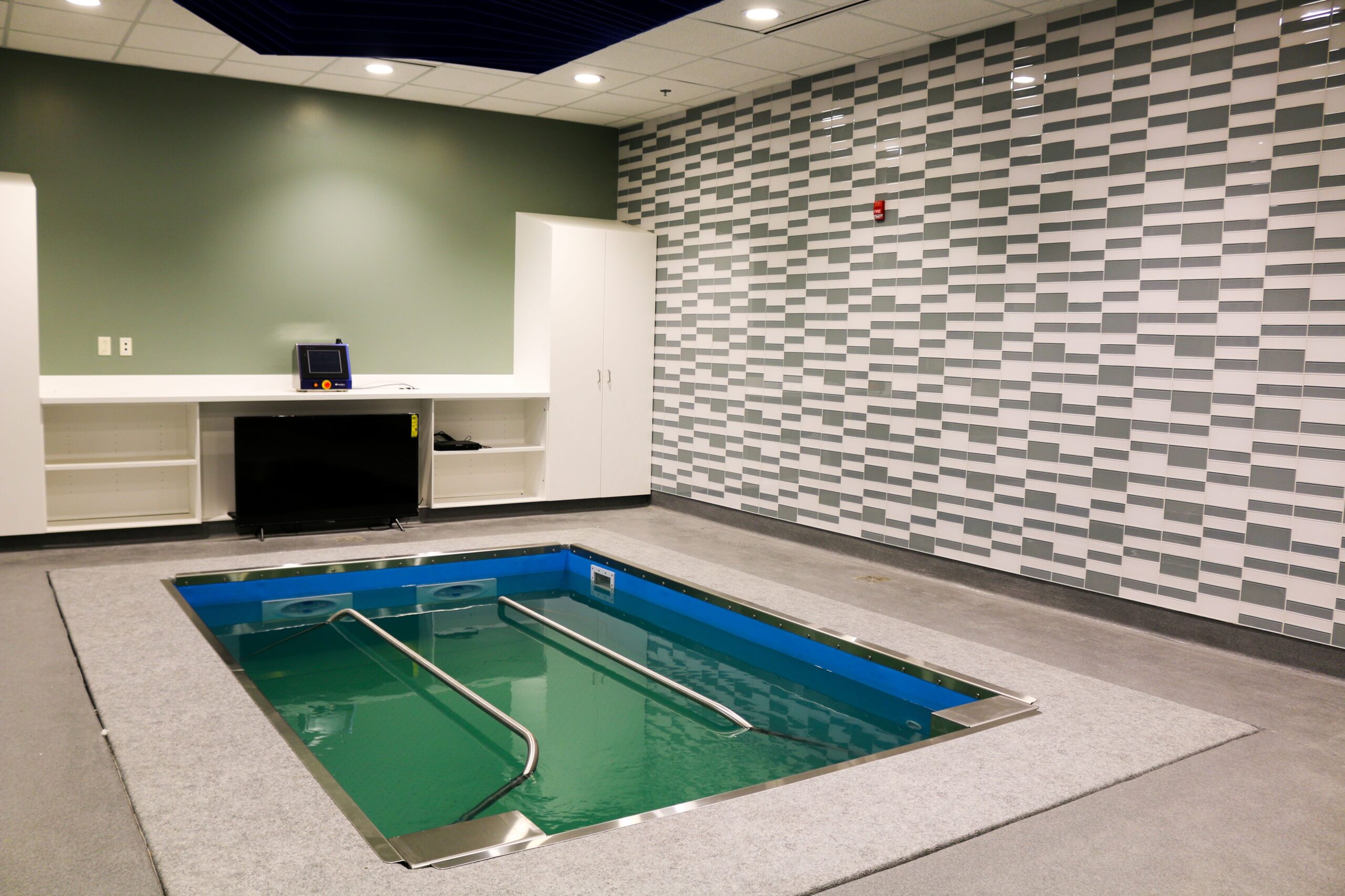
Aquatic Therapy
Water-based physical therapy for injuries, arthritis, and chronic pain
Physical Therapy
Physical therapy for pain, injury recovery, and movement conditions
Speech-Language Therapy
Therapy for speech, language, swallowing, and cognitive disorders

Balance and Dizziness Therapy
Vestibular therapy for vertigo, dizziness, and balance disorders
Occupational Therapy
Therapy to restore independence in daily activities for all ages


Pediatric Therapy
Physical, occupational, and speech therapy for children of all ages