
Menopause Care
When people talk about menopause, they usually talk about hot flashes. What’s often not mentioned are the nights spent staring at the ceiling, the sudden brain fog during an important meeting, the mood changes that seem to come out of nowhere or the feeling that your body has changed without warning.
Sound familiar? If so, rest assured, you are not alone.
Menopause is a natural transition that can affect much more than your menstrual cycle. Changes in hormone levels are known to influence sleep, mood, energy levels, memory and overall well-being. Understanding what’s happening is the first step toward finding relief.
Table of Contents
What is menopause?
Menopause is the point in time when you have gone 12 consecutive months (one full year) without a menstrual period. It occurs as your body produces less estrogen and other reproductive hormones, usually sometime between age 45 and 55.
For many women, menopause unfolds over several years. The time leading up to menopause, called perimenopause, is often when symptoms first appear as hormone levels begin to fluctuate. Some women experience only mild symptoms, while others find that menopause disrupts multiple aspects of daily life.
Although menopause is natural, you don’t have to simply live with symptoms that interfere with your health and wellness. Today’s women are empowered with access to menopause education, treatment options and support like never before.
What are the symptoms of perimenopause and menopause?
Hormonal fluctuations can affect different systems throughout the body. For many women, the first sign that menopause is approaching is a change in their menstrual cycle. Periods may become less predictable, with longer or shorter gaps between them, and bleeding may be heavier or lighter than you’re used to.
As hormone levels begin to shift, changes in your cycle are often joined by other symptoms that can affect how you feel physically, emotionally and mentally. The signs of menopause and perimenopause often vary from one woman to another.
Physical symptoms
Common physical symptoms include:
- Hot flashes and/or night sweats
- Irregular periods
- Vaginal dryness
- Changes in sexual desire
- Hair thinning or changes in hair growth
- Joint aches and stiffness
- Weight changes, particularly around the abdomen
Sleep and energy changes
Many women find sleep becomes more difficult during perimenopause and menopause. Night sweats can interrupt sleep, but some women experience insomnia even without other symptoms. You may notice:
- Difficulty falling asleep
- Waking during the night
- Feeling less rested in the morning
- Daytime fatigue
Emotional and cognitive changes
Changing hormone levels can also affect mood, memory and concentration. Some women experience:
- Irritability
- Increased anxiety
- Mild depression
- Difficulty getting or staying focused
- Memory lapses or brain fog
When does menopause start?
The average age of menopause in the United States is about 51. However, the transition often begins years earlier. Many women begin experiencing symptoms of perimenopause during their 40s, although some notice changes sooner. Others may not experience significant symptoms until closer to menopause itself.
Because every woman follows a different timeline, age alone cannot determine whether you’re in perimenopause or menopause. If you’re experiencing symptoms or have questions about changes in your body, a conversation with a healthcare practitioner can help clarify what’s happening and whether any testing may be appropriate.
How long do menopausal symptoms last?
While menopause is the point in time that marks 12 months without periods, menopausal symptoms may last for months or years. Some women will experience symptoms for a relatively short time, while others continue to have hot flashes, sleep disturbances or other concerns for several years after reaching menopause.
The important thing to remember is that you do not have to wait for symptoms to pass on their own. Effective treatments and supportive care have helped many women find relief.
When to talk with a menopause practitioner
Consider scheduling an appointment at Lawrence OB-GYN Specialists or with your primary care practitioner if menopause symptoms are:
- Disrupting your sleep
- Affecting your work or daily activities
- Causing emotional distress
- Affecting intimacy or sexual health
- Making it difficult to enjoy activities you normally enjoy
- Leaving you unsure whether another health condition could be contributing to your symptoms
You don’t need to wait until symptoms become severe. The earlier you understand your options, the sooner you can make informed decisions about your health. The women’s health team at LMH Health includes practitioners who are certified by The Menopause Society. By earning the Menopause Society Certified Practitioner (MSCP) credential, they have demonstrated a higher level of expertise in the field of menopause.
What treatments are available for menopause?
Treatment for menopause depends on your symptoms, medical history and personal preferences. Your healthcare practitioner may recommend one or more of the following treatment options to help manage your perimenopause or menopause symptoms.
Menopausal hormone therapy
Menopausal hormone therapy (MHT), sometimes called hormone replacement therapy (HRT), can be an effective treatment for some women, particularly those experiencing hot flashes, night sweats and other symptoms related to changing estrogen levels.
Current research shows that MHT can be safe and beneficial for many women when used appropriately. Your healthcare practitioner can help determine whether it is a good option for you based on your individual health history and goals.
Non-hormonal treatments
Some women prefer non-hormonal approaches, while others may not be candidates for hormone therapy. Depending on your symptoms, treatment options may include medications that help with common menopause concerns.
Lifestyle strategies
Healthy lifestyle habits can also play an important role in managing menopause, including:
- Regular exercise: Physical activity during the daytime or early evening can improve sleep and lower stress, but it’s best to avoid vigorous activity before going to bed.
- Healthy diet: A balanced diet rich in fruits, vegetables, whole grains, healthy fats (like Omega-3 fatty acids) and lean protein can support your health throughout the menopause transition. Additionally, research shows menopause is linked to higher rates of obesity, heart disease and osteoporosis, so nutrients like calcium and vitamins D, C and B are also important.
- Good sleep habits: Keep your bedroom cool, dark and quiet, and wear breathable pajamas. Avoid caffeine and screen time before bed. Going to bed and waking up at the same time each day can also support the body’s natural sleep-wake cycle.
- Limited alcohol intake: Alcohol can worsen common menopause symptoms, including hot flashes and sleep disturbances, while also affecting bone health and increasing the risk of certain cancers. Current U.S. guidance recommends that women who drink alcohol limit consumption to one drink or less per day.
- Healthy body weight: Hormonal changes during menopause can make it easier to gain weight and harder to lose it. Maintaining a healthy body weight may help reduce hot flashes, improve sleep, and protect your heart and bone health.
- No smoking: In addition to sometimes causing an earlier onset of menopause, smoking cigarettes restricts blood and oxygen flow. That interference weakens the body’s ability to regulate temperature and cool itself down.
- Cognitive behavioral therapy (CBT): Stress management and other CBT techniques can help you take control of your perimenopause and menopause symptoms by changing how you respond to them.
You don’t have to navigate menopause alone
Whether you’re just noticing changes or you’ve been dealing with symptoms for years, having the right information and guidance can make a meaningful difference. Our women’s health physicians and practitioners are here to listen to your concerns, answer your questions and help you find an approach that works for you.
Frequently asked questions
What are the stages of menopause?
The three stages of menopause are perimenopause, menopause and postmenopause. Each stage is marked by different hormonal changes and symptoms, from the transition leading up to menopause through the years that follow the final menstrual period.
- Perimenopause is the transitional period before menopause. During this time, the ovaries gradually produce less estrogen, which can lead to changes in menstrual cycles and symptoms such as hot flashes, sleep disturbances, mood changes and brain fog. This phase can last several years.
- Menopause is officially reached when a woman has gone 12 consecutive months without a menstrual period. At this point, the ovaries have significantly reduced hormone production, and natural fertility has ended.
- Postmenopause begins after menopause and continues for the rest of a woman’s life. Some menopause symptoms may ease over time, while others can persist. Because lower estrogen levels can affect bone, heart and vaginal health, ongoing preventive care remains important during this stage.
How does menopause cause brain fog?
Changes in hormone levels during perimenopause and menopause can affect the parts of the brain responsible for memory, attention and mental processing. As a result, some women notice difficulty concentrating, forgetfulness, trouble finding the right words or a general feeling of mental fogginess.
Sleep disruption, stress and mood changes can also contribute to brain fog, making symptoms feel even more pronounced. While these changes can be frustrating, they are common, and treatment strategies may help improve your cognitive symptoms.
How does menopause affect sleep?
Night sweats, hot flashes and hormonal changes can all contribute to sleep problems, including difficulty falling asleep or staying asleep. Many women report waking multiple times throughout the night, so create a cool, calm sleeping environment and avoid triggers that can disrupt sleep (such as caffeine or sugary foods), particularly in hours just before bedtime.
Does menopause cause anxiety or depression?
Hormonal changes can affect mood and emotional well-being. Some women experience increased anxiety, irritability or depression during perimenopause and menopause. If you are dealing with these types of symptoms and find them negatively impacting your daily life, please discuss it with your healthcare practitioner.
Is there a difference between menopausal hormone therapy (MHT) and hormone replacement therapy (HRT)?
Menopausal hormone therapy (MHT) and hormone replacement therapy (HRT) generally refer to the same type of treatment for menopause symptoms. MHT is now the preferred term because menopause is a natural life transition rather than a condition caused by a hormone deficiency that needs to be “replaced.” You may still see HRT used in older resources or when searching for information about menopause treatment.
Is menopausal hormone therapy safe?
Menopausal hormone therapy is considered safe and effective for many women, particularly those who are experiencing bothersome symptoms. In recent years, research has helped clarify who is most likely to benefit from hormone therapy and when it can be used safely.
However, hormone therapy is not right for everyone. Your age, symptoms, personal health history and family history all play a role in determining whether it is a good option for you. A conversation with your healthcare practitioner can help you weigh the benefits and risks and decide on the treatment approach that best fits your needs.
Are there any supplements that can help relieve menopause symptoms?
Some supplements may help relieve certain menopause symptoms, but their effectiveness varies and scientific evidence is mixed. It’s important to remember that supplements are not regulated as closely as prescription medications, and quality can vary between brands. Some supplements may also interact with medications or be inappropriate for women with certain health conditions.
Before starting any supplement for menopause symptoms, talk with a healthcare practitioner who can help you evaluate the potential benefits and risks.
Who should I talk to about menopause symptoms?
If menopause symptoms are affecting your sleep, mood, energy levels or quality of life, it’s a good idea to talk with a healthcare practitioner, particularly one knowledgeable in menopause care. They can help evaluate symptoms, rule out other potential causes and discuss treatment options based on your individual needs and health history.
The women’s health team at LMH Health includes practitioners who are certified by The Menopause Society. By earning the Menopause Society Certified Practitioner (MSCP) credential, they have demonstrated a higher level of expertise in the field of menopause. Schedule an appointment with an LMH Health OB-GYN or primary care practitioner to start the conversation and explore your options.
Meet Our Care Team
Michele A. Bennett, MD, FACOG
Gynecology
Dr. Bennett joined Lawrence OB-GYN in 2011. She earned her medical degree at the University of Kansas School of Medicine in 2006 and completed here OB-GYN internship in 2007. Her residency was completed in 2010 at the University of Utah Hospitals & Clinic, Salt Lake City, Utah, where she also worked as a clinical instructor in the OB-GYN department.

Lynley Holman, MD, FACOG
Gynecology
Dr. Holman joined Lawrence OB-GYN Specialists in 2015. She worked in her hometown of Junction City, Kansas for 5 years before coming to Lawrence. She earned her medical degree at the University of Kansas School of Medicine in 2005 before completing a four-year obstetrics and gynecology residency at Maricopa Medical Center/St. Joseph's Hospital and Medical Center, Phoenix, Arizona.

Logan J. Kracht, MD, FACOG
Gynecology
Logan Kracht, MD, earned his medical degree from the University of Kansas School of Medicine and completed his residency in Obstetrics and Gynecology at the University of Missouri-Kansas City School of Medicine. Prior to joining the LMH Health team, Kracht worked for the Women’s Clinic of Johnson County-Olathe.
Kracht enjoys performing minimally invasive surgeries and getting his patients back to their daily life as quickly as possible. He is board-certified and is a member of the American Association of Gynecologic Laparoscopists and the American College of Obstetricians and Gynecologists.
Kracht enjoys spending his time away from work spending time with his wife and children and playing outside, going to the pool, playing board games and fishing.

Emily Riggs, MD, FACOG
Gynecology
Dr. Riggs joined Lawrence OB-GYN in 2013. She earned her medical degree at the University of Kansas School of Medicine in 2009. She then completed postgraduate residency training in OB-GYN at the Exempla St. Joseph Hospital, Denver, Colorado, in 2013.

Leslie Underwood, MD, FACOG
Gynecology
Dr. Underwood grew up in Oklahoma and earned a bachelor's degree in health and sports science in 2000 at the University of Oklahoma, where she was an Academic All-American in golf. She completed her medical degree at the University of Oklahoma College of Medicine in Oklahoma City in 2006. Dr. Underwood finished her residency in obstetrics and gynecology at the University of Missouri-Kansas City in 2010 and joined the staff at Austin Regional Clinic in Austin, Texas. She joined Lawrence OB-GYN in 2014 and is Board certified in Obstetrics and Gynecology.
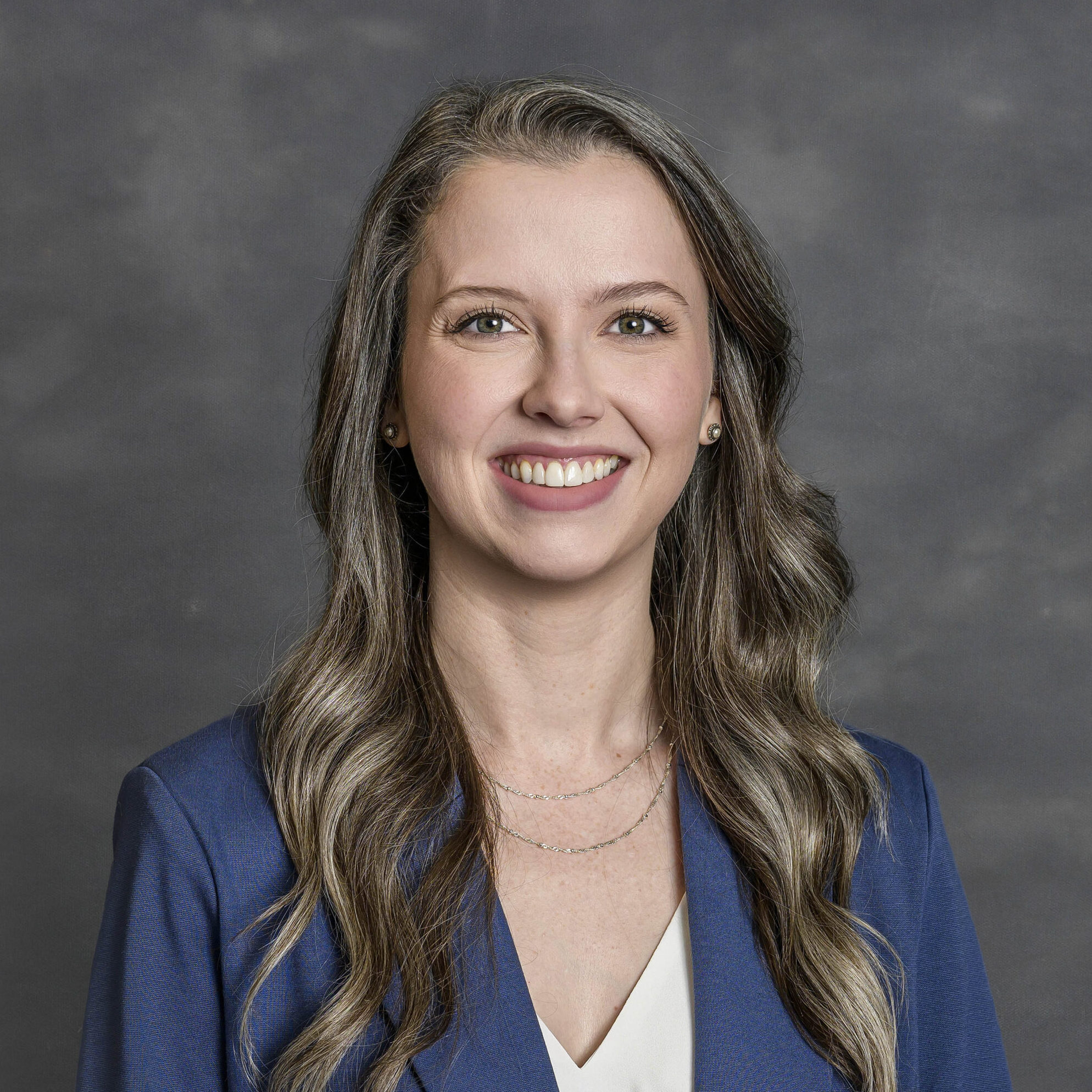
Grace Schock, DO
Gynecology
Grace Schock, DO, is an obstetrician and gynecologist who provides comprehensive care for women through every stage of life. She earned her medical degree from Des Moines University College of Osteopathic Medicine and completed her residency in obstetrics and gynecology at the University of Nebraska Medical Center in Omaha. She earned her bachelor's degree in biology from the University of Kansas.
Dr. Schock's clinical and research experience includes obstetric and gynecologic care, cervical dysplasia and improving care following gynecologic procedures. Her background also includes teaching medical students and research focused on women's health.
Dr. Schock has strong ties to Lawrence. Before attending medical school, she worked at Lawrence Memorial Hospital as a rehabilitation aide and at a Lawrence pharmacy as a pharmacy technician.

Crystal Dunbar, APRN
Obstetrics
Crystal Dunbar, MSN, APRN, FNP-C, joined the Lawrence OB-GYN Specialists team in 2021, though she has been with LMH Health since 2003. She received her undergraduate degree from the University of Kansas and earned her master’s degree from Maryville University in St. Louis, MO. Dunbar is an active member of the American Academy of Nurse Practitioners, American Heart Association, American Academy of Pediatrics and is a part of the Sigma Theta Tau International Honor Society.

Holly A Dunoon, APRN
Gynecology
Holly Dunoon is a board certified Women's Health Nurse Practitioner who completed her master's degree from the University of Missouri at Kansas City. She earned her bachelor's in nursing from the University of Illinois at Chicago in 2007 and also earned a bachelor's degree in French and Psychology from the University of Kansas in 2005. Prior to earning her master's degree, Holly worked as a nurse at the University of Kansas Medical Center caring for postpartum women, newborns and women with high-risk pregnancies.

Melissa Hoffman, APRN, DNP, PMHNP-BC
Psychiatry
Melissa Hoffman, DNP, APRN, PMHNP-BC, has been with LMH Health since 2001. Though she has served in different roles, her focus has been providing nursing care and education on labor and delivery and maternal mental health. Hoffman received her Doctor of Nursing Practice from the University of Kansas School of Nursing in 2018 and joined Lawrence OB-GYN Specialists in 2019. She is an experienced maternal mental health provider, speaker and trainer and treats patients with post-partum depression. She is a board-certified psychiatric mental health Nurse Practitioner.

Kelly Jimenez, APRN
Gynecology
A longtime LMH Nurse within the Family Birthing Center, Kelly received her Master of Science in Nursing from the University of Kansas School of Nursing in 2015. Many hours of her graduate clinical experience were spent within Mt. Oread Family Practice.

Edna McCrary, APRN
Gynecology
Edna McCrary earned her undergraduate nursing degree from William Jewell College and her master’s degree from Frontier Nursing University. She is a board-certified women’s health nurse practitioner. Prior to joining LMH Health, Edna worked as a labor and delivery nurse in the Kansas City area and a nurse practitioner at Swope Health Central.

Other Services


Wound Healing Center
Advanced care for chronic non-healing wounds and diabetic ulcers
Gastroenterology
Diagnosis and treatment of digestive and gastrointestinal disorders
Palliative Support Services
Symptom relief and comfort care for patients with serious illness
Heart & Vascular Care
Cardiology for heart disease, arrhythmias, and vascular conditions