Minimally Invasive Treatment Options
Relief From Joint and Tendon Pain. Without the Operating Room.
Surgery isn’t always the answer – and it doesn’t have to be the next step. If you’ve been managing joint or tendon pain and haven’t found lasting relief through rest, physical therapy or anti-inflammatories, there are effective, minimally invasive options available right here in Lawrence.
LMH Health OrthoKansas offers a range of injection-based treatments designed to reduce pain, support healing and help you get back to the activities that matter to you – without the cost, recovery time or risk that come with surgery.
Table of Contents
The Treatments We Offer
Cortisone Injections
Cortisone injections are one of the most common and well-established treatments for joint and tendon pain. Cortisone is a corticosteroid – a powerful anti-inflammatory medication that’s injected directly into the affected joint or around the affected tendon to reduce inflammation, calm the irritated tissue and provide meaningful pain relief.
Relief typically begins within a few days and can last anywhere from several weeks to several months, depending on the underlying condition and how your body responds. Cortisone is used for a wide range of conditions including knee and shoulder osteoarthritis, bursitis, tendinitis, carpal tunnel syndrome, trigger finger, and chronic joint pain in hips, knees, shoulders, elbows, wrists, hands, ankles or feet that hasn’t responded to other conservative care.
Because cortisone is a steroid, we limit the number of injections per joint per year – generally no more than three or four – to protect the surrounding tissue. For many patients, cortisone is a first-line injection option that buys real time and real relief. For others, it’s one tool in a longer treatment plan that may include other minimally invasive options below.
Gel Injections – Viscosupplementation
Gel injections – formally called viscosupplementation – replenish the natural fluid that cushions your joints. In a healthy joint, synovial fluid acts as a shock absorber and lubricant. In an arthritic or worn joint, that fluid breaks down and thins. Gel injections restore that cushioning, reducing friction and pain.
This treatment is most commonly used for knee osteoarthritis and is a well-established, widely used option for patients who want to delay or avoid joint replacement surgery. Most patients experience significant relief for several months following treatment.
PRP – Platelet-Rich Plasma Injections
PRP therapy uses your body’s own healing potential. Your blood is drawn, processed to concentrate the platelets, and injected directly into the affected joint or tissue. Those concentrated platelets signal your body to repair damaged tissue more aggressively than it would on its own.
PRP is used for a range of conditions including osteoarthritis, tendon and ligament injuries, and chronic joint pain. Because it uses your own blood, there’s no risk of rejection or allergic reaction. Most patients receive one to three injections over the course of their treatment.
TendoNova – Ultrasound-Guided Tendon Treatment
TendoNova is a micro-invasive treatment for chronic tendon pain – the kind that hasn’t responded to rest, stretching or other conservative care. Using real-time ultrasound imaging, your OrthoKansas physician precisely targets the damaged tendon tissue and uses the TendoNova device – no larger than a standard needle – to mechanically break down that damaged tissue and stimulate your body’s natural healing response.
The procedure takes only a few minutes. Most patients go home the same day with nothing more than a bandage. Clinical results show significant improvement in pain and function beginning as early as two to four weeks, with continued improvement over time.
TendoNova is used for conditions including tennis elbow, golfer’s elbow, plantar fasciitis, Achilles tendinopathy, patellar tendinopathy, rotator cuff impingement, and other chronic tendon conditions.
Why ultrasound guidance matters: Without imaging, injections are placed based on anatomical landmarks – close, but not exact. Ultrasound guidance allows your physician to see the precise location of the damaged tissue in real time and treat exactly where treatment is needed. More precision means better outcomes.
Which Treatment Is Right for You?
That depends on your specific condition, how long you’ve been managing the pain, what you’ve already tried, and what your goals are. A consultation at LMH Health OrthoKansas starts with a thorough evaluation – your practitioner will review your history, assess your injury or condition, and recommend the option most likely to give you lasting relief.
There’s no pressure toward any particular treatment. If injections aren’t the right fit for your situation, we’ll tell you that and talk through what is.
What to Expect
Most injection procedures are completed in a single office visit and take less than 30 minutes. You’ll be awake throughout – a local anesthetic is used to minimize discomfort. Most patients return to normal daily activity within a day or two, with full return to activity depending on the treatment and condition.
Is This Covered By Insurance?
Coverage varies by treatment type and insurance plan. Cortisone and gel injections are typically covered for qualifying diagnoses. PRP injections are not always covered by insurance, though many patients find the out-of-pocket cost is still significantly less than surgery. Coverage for tendon-specific treatments depends on your plan and diagnosis.
We’ll help you understand your coverage before your appointment. Call us and we’ll sort it out together.
Schedule A Consultation
If you’ve been living around joint or tendon pain, this conversation is worth having. Our OrthoKansas team in Lawrence is here to help you understand your options – clearly, without jargon, and without pressure.
Meet Our Care Team
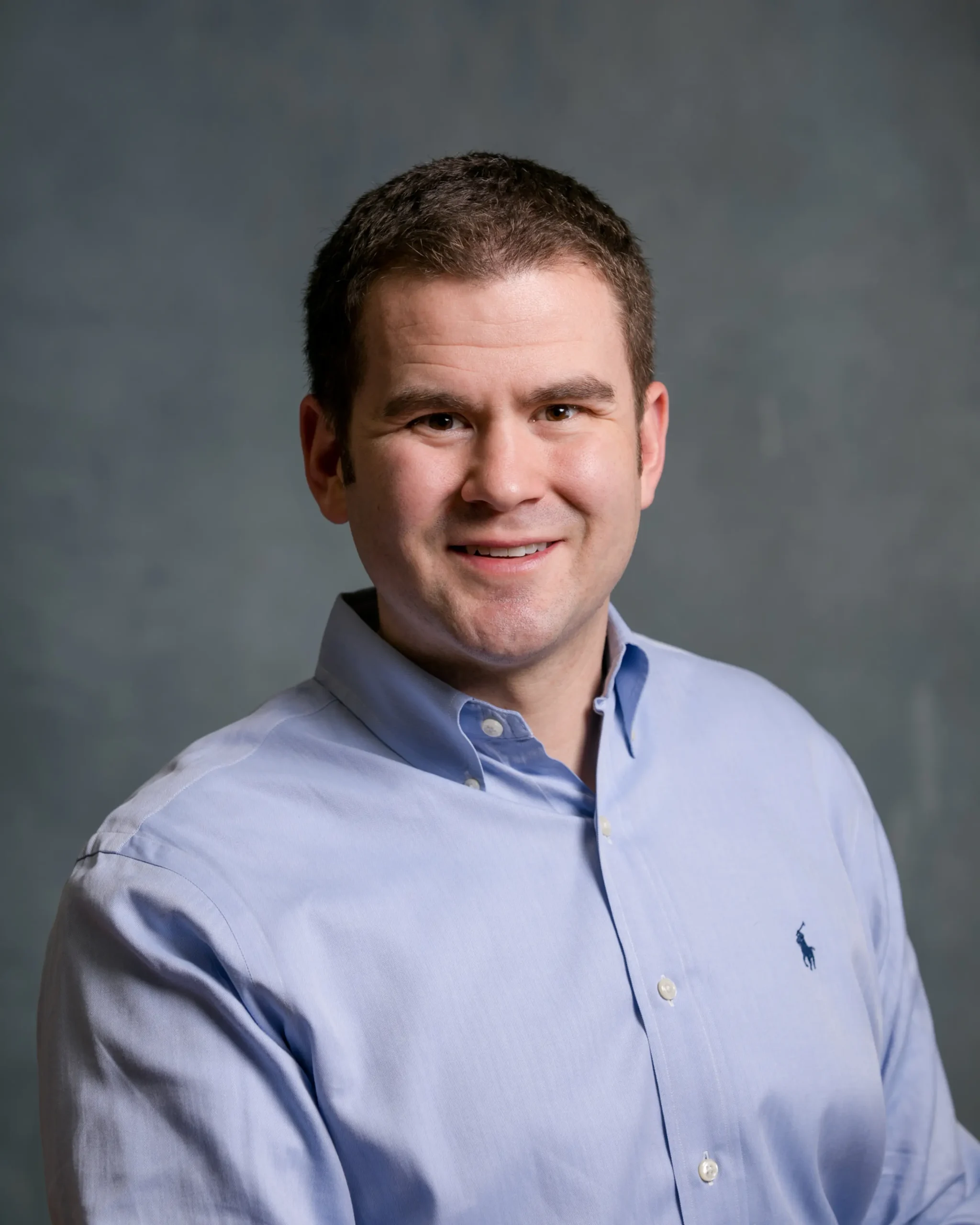
Adam M Goodyear, MD
Orthopedic Surgery
Dr. Adam Goodyear is a native of Kansas who grew up in Auburn, a small town southwest of Topeka. Although he has lived in Texas, Oklahoma and Colorado, he considers Kansas home and came back to care for its wonderful people.
His areas of interest are hip and knee replacement and revision, as well as non-operative management of arthritic hip and knee conditions.
“For the most part, people that have arthritis that need a replacement will typically get great relief with one of these surgeries,” he said. “There have been a lot of knee and hip replacements put in throughout the years and a lot of them that will need to be revised. I like the opportunity to offer that service to patients as well.”
After earning his medical degree at the University of Texas Medical School in Houston, Dr. Goodyear completed a residency at the University of Kansas Hospital in Orthopedic surgery and a fellowship in adult reconstruction at the University of Colorado Hospital and Denver Health.
Why should patients choose OrthoKansas?
“The patient experience is what we like to go back to. We have a good team here, not just the physicians but our physician assistants, physical therapists, medical assistants, nurses - everybody is on board with helping each patient individually,” he said. “We want to give you the broadest orthopedic experience you can have and be able to offer every service orthopedically that there is to offer. We want to be a regional orthopedic center and we do everything we do very well.”
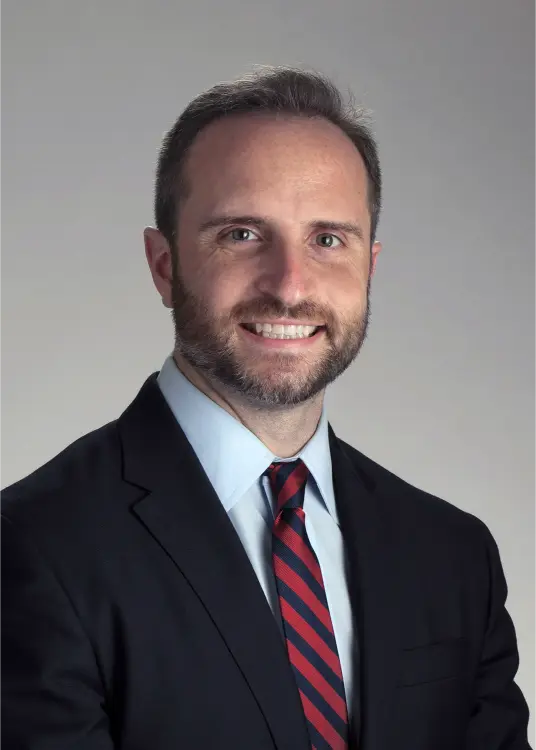
Erik Henkelman, MD
Sports Medicine
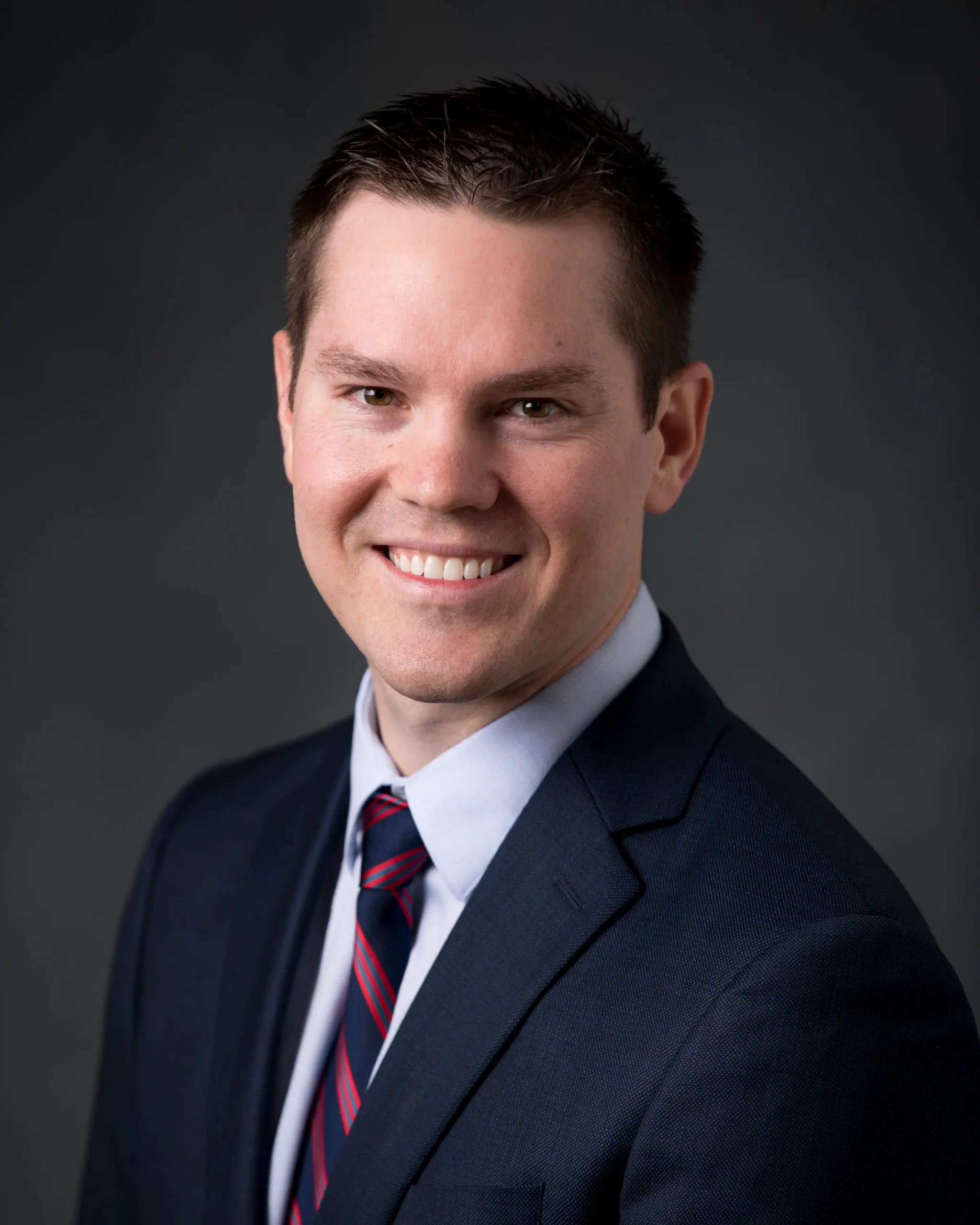
James C Huston, MD
Orthopedic Surgery
As a native of Lawrence, Dr. James Huston knows the pride that the community has in supporting local businesses and each other. Dr. Huston graduated from Lawrence High and went on to earn a bachelor’s degree in human biology from the University of Kansas and his medical degree from the University of Kansas School of Medicine.
Dr. Huston believes that orthopedics is a field where he can make an immediate and profound impact on a patient’s quality of life. He enjoys being able to see the improvement in people’s daily lives.
“At OrthoKansas, we take great pride in providing world-class care to our friends, neighbors, the community and region,” he said. “We’re passionate about providing cutting-edge, evidence-based, thoughtful care close to home.”
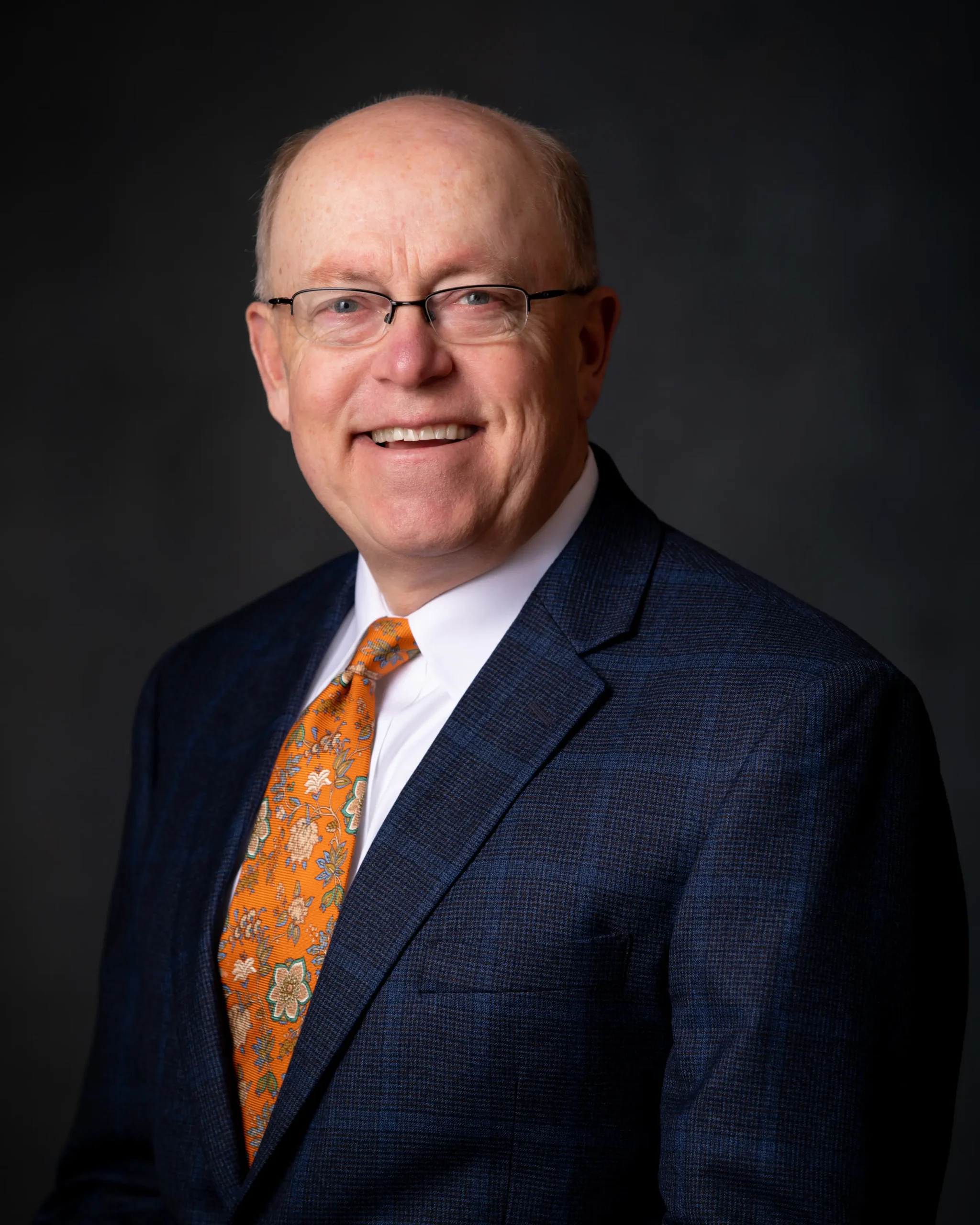
Neal D. Lintecum, MD
Orthopedic Surgery
“My advice to patients is to think through the problem before you see your doctor so you have specific things to share,” he said. “The more clues you have for us, the easier it’s going to be for us to solve the puzzle.”
Dr. Neal Lintecum is a board-certified orthopedic surgeon with special interests in hand surgery. He enjoys hand surgery because it has the widest variety of problems and being a hand surgeon allows him to care for patients of all ages.
After graduating from the University of Kansas School of Medicine, Dr. Lintecum completed fellowship training in hand and upper extremity surgery at the University of California San Francisco General Hospital in San Francisco and Lindenhofspital/Inselspital in Bern Switzerland. He has a Certificate of Added Qualification (CAQ) in Surgery of the Hand, the highest qualification available.
Why should patients choose OrthoKansas?
“People should come to OrthoKansas because we have an excellent team, top to bottom. It starts with the people that greet you at the front desk right through every person that you interact with here,” he said. “People come here because they have a problem and everyone is compassionate and understanding. I hope we continue to meet that standard.”
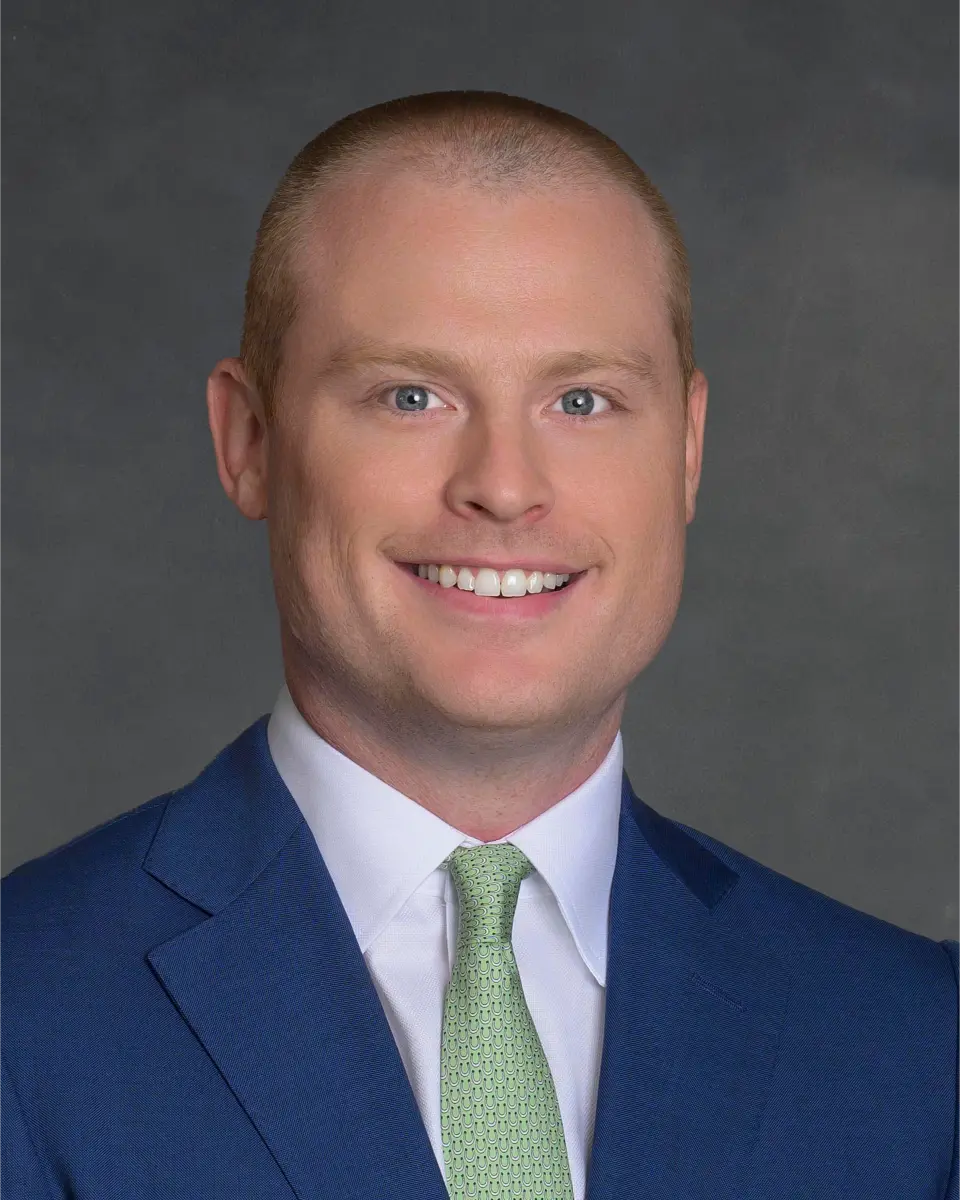
Patrick "Cole" McGregor, MD
Orthopedic Surgery
Patrick “Cole” McGregor, MD, earned his undergraduate degree from the University of Kansas and his medical degree from the University of Kansas School of Medicine. He completed his residency at Loyola University Medical Center in Chicago and a clinical fellowship at the University of Tennessee Health Science Center-Campbell Clinic in Memphis.
“Growing up with a surgeon father, I was able to see the positive impact he had on our community. I chose to pursue medicine in order to help people get back to doing what they love.”
McGregor specializes in foot and ankle orthopedics. He believes that motion is the key to enjoying life. His goal is to work with patients to find both non-surgical and surgical options that will help get them back to doing what they love.
Outside of work, McGregor enjoys chasing around his three children and spending time with his wife, Liz. On the weekends he can be found cheering on the Jayhawks and Chiefs
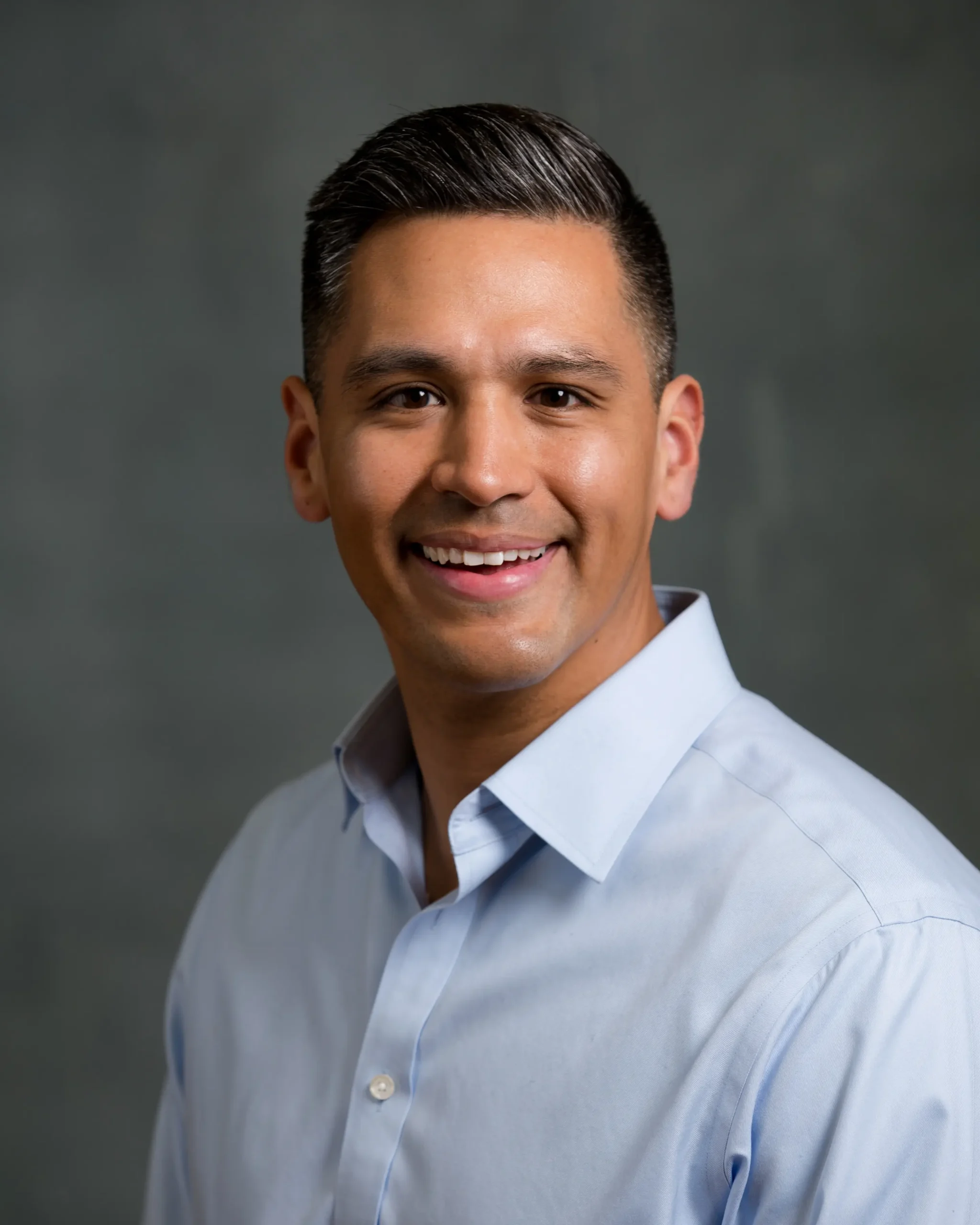
Luis D Salazar, MD
Sports Medicine
It wasn’t until he was nearing the end of medical school that Dr. Luis Salazar realized that sports medicine was his calling.
“My brother was an athletic trainer for the Cleveland Indians and that exposed me to a lot in regard to the care provided to professional athletes,” he said. “I saw it as an opportunity to blend science, sports, disease prevention and medicine and take care of all aspects of the athlete and their care.”
Dr. Salazar is board-certified in family medicine and fellowship-trained in primary care sports medicine. He enjoys the intricacies of foot and ankle injuries and his special interests include caring for athletes of all abilities; ultrasound medicine; and the use of biologic treatment options. He also participates in Exercise is Medicine, a global health initiative committed to the belief that physical activity promotes optimal health and is integral in the prevention and treatment of many medical conditions.
He earned his medical degree from the University of Kansas School of Medicine and completed his sports medicine fellowship at The Ohio State University Medical Center. Dr. Salazar has experience treating NCAA and NAIA collegiate athletes, including his work with Division I athletes at the University of Kansas as part of Kansas Team Health. He enjoys engaging in teaching future physicians part of the faculty for the Sports Medicine fellowship at the University of Kansas Health System.
“My practice is pretty vast,” he said. “I take care of anybody who moves, not only athletes at all competitive levels from elementary to collegiate and Olympic level and professional, I’ve had experience in all aspects across a lot of age groups.”
What advice does Dr. Salazar have for his patients?
“Patients need to be their own advocates and demand the care that they need. They need to push us as physicians to not be stagnant. It’s not the physician’s way, it’s what the best care for them as a patient is,” he said. “We need to listen to them, value their time and offer options, but we also need to be truthful and up front. Find the care that you need. If it’s not me, that’s fine but we need to demand the most that we can.”
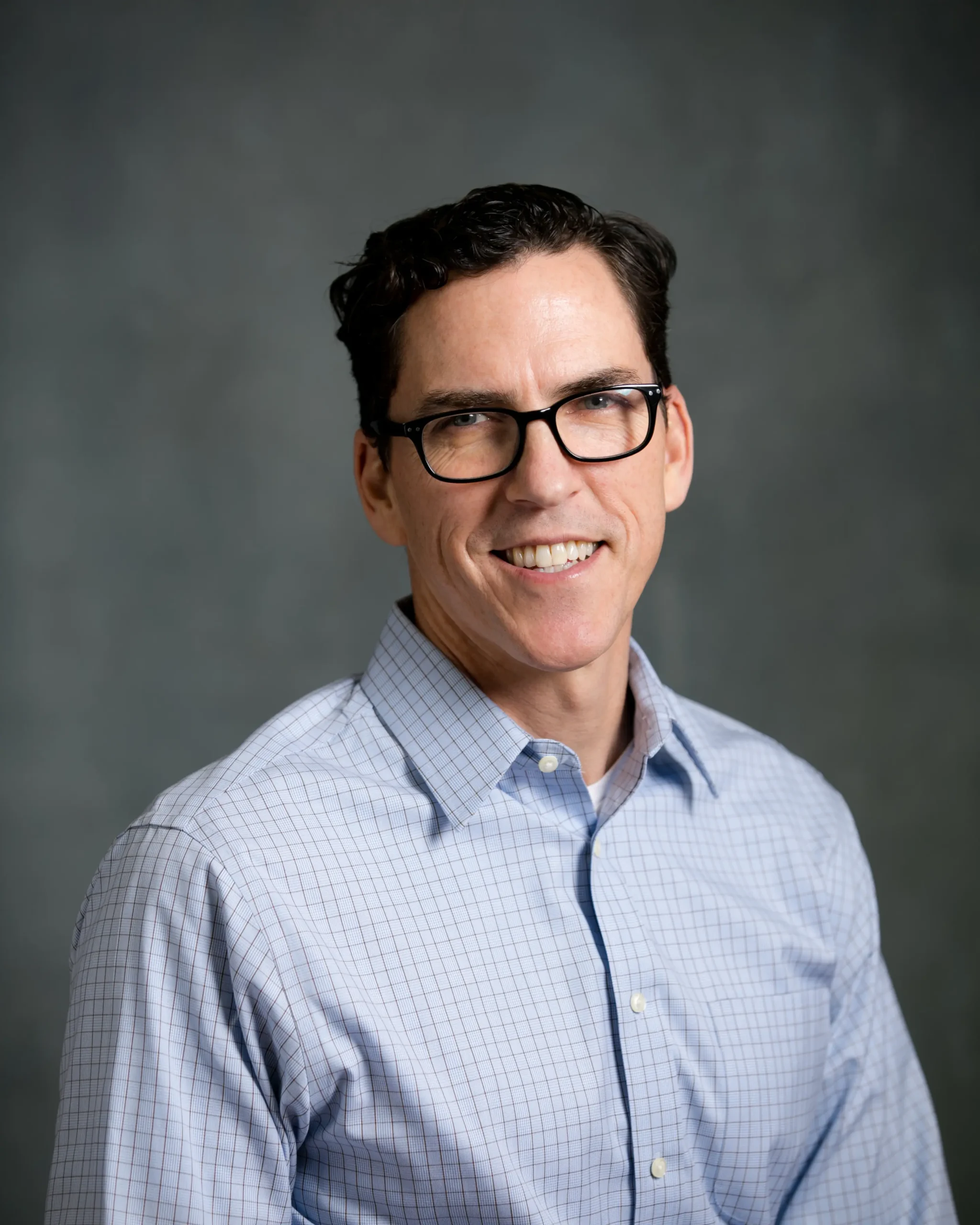
Douglass E. Stull, MD
Orthopedic Surgery
Dr. Douglass Stull knew from the time he was in sixth grade that being a physician was his calling. “I had a science class and the teacher had to go on emergency leave. The substitute really only new anatomy & physiology, so we were taught some basics and I completely fell in love. I knew right then that I wanted to be a physician.”
Dr. Stull earned his medical degree from the University of Texas School of Medicine and completed his fellowship at the University of Pennsylvania. He is a board-certified orthopedic surgeon with special interests in all aspects of shoulder and elbow care, including sports injuries, trauma, joint replacement and joint reconstruction.
Dr. Stull was also on the U.S. national team in Modern Pentathlon, competing at the Olympic level, and continues to be involved with the pentathlon by serving as the chair of the International Pentathlon Medical Committee. He also provides collegiate sports medicine coverage to Division I athletes as a team physician for the University of Kansas.
What advice does he have for his patients? “Get out there and move. Think about what you can do, not what you can’t when you face an injury or disability.”
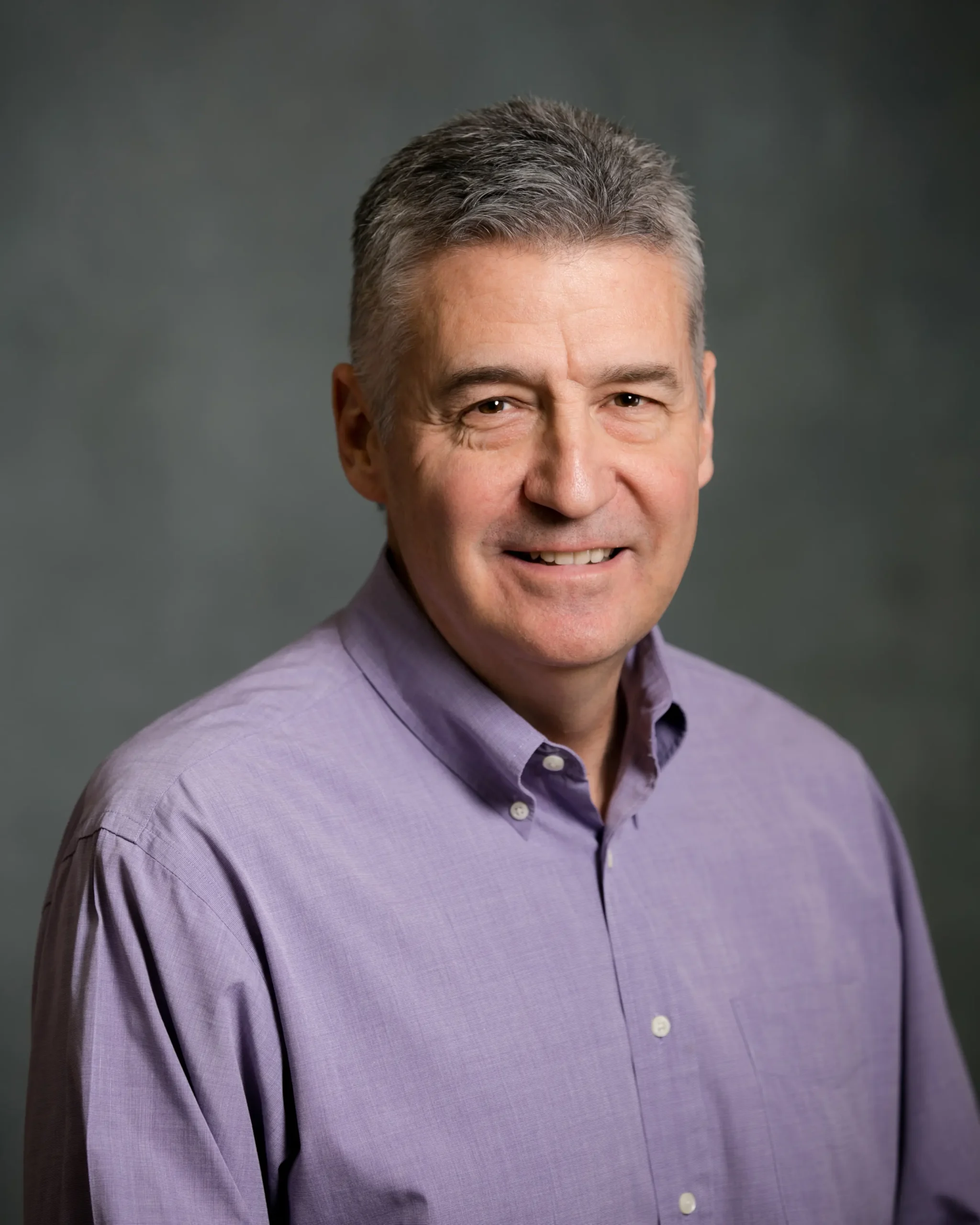
Richard G. Wendt, MD
Orthopedic Surgery
“When I first came to town, and I’ve been here for many years, I did pretty much anything and everything – sports medicine, ACL reconstructions, fractures and trauma. As we’ve added new doctors in our group – most of whom are fellowship-trained in these other areas – I’ve been able to drift toward my interest, which is joint replacement.”
Dr. Richard Wendt is a board-certified orthopedic surgeon with special interests in arthritic hip and knee conditions, total joint reconstruction, arthroscopy and trauma. After earning his medical degree from the University of Kansas School of Medicine, he completed his residency in orthopedic surgery at St. Francis Regional Medical Center in affiliation with the University of Kansas School of Medicine in Wichita.
“Patients should come to OrthoKansas, whether they’re local or regional, because the people we have here are high-quality and excellent physicians, every one of them,” he said. “We have a nursing staff and staff in the therapy department that’s as good as it can be and we hope people come here knowing that and we’ll do the best we can for them.”
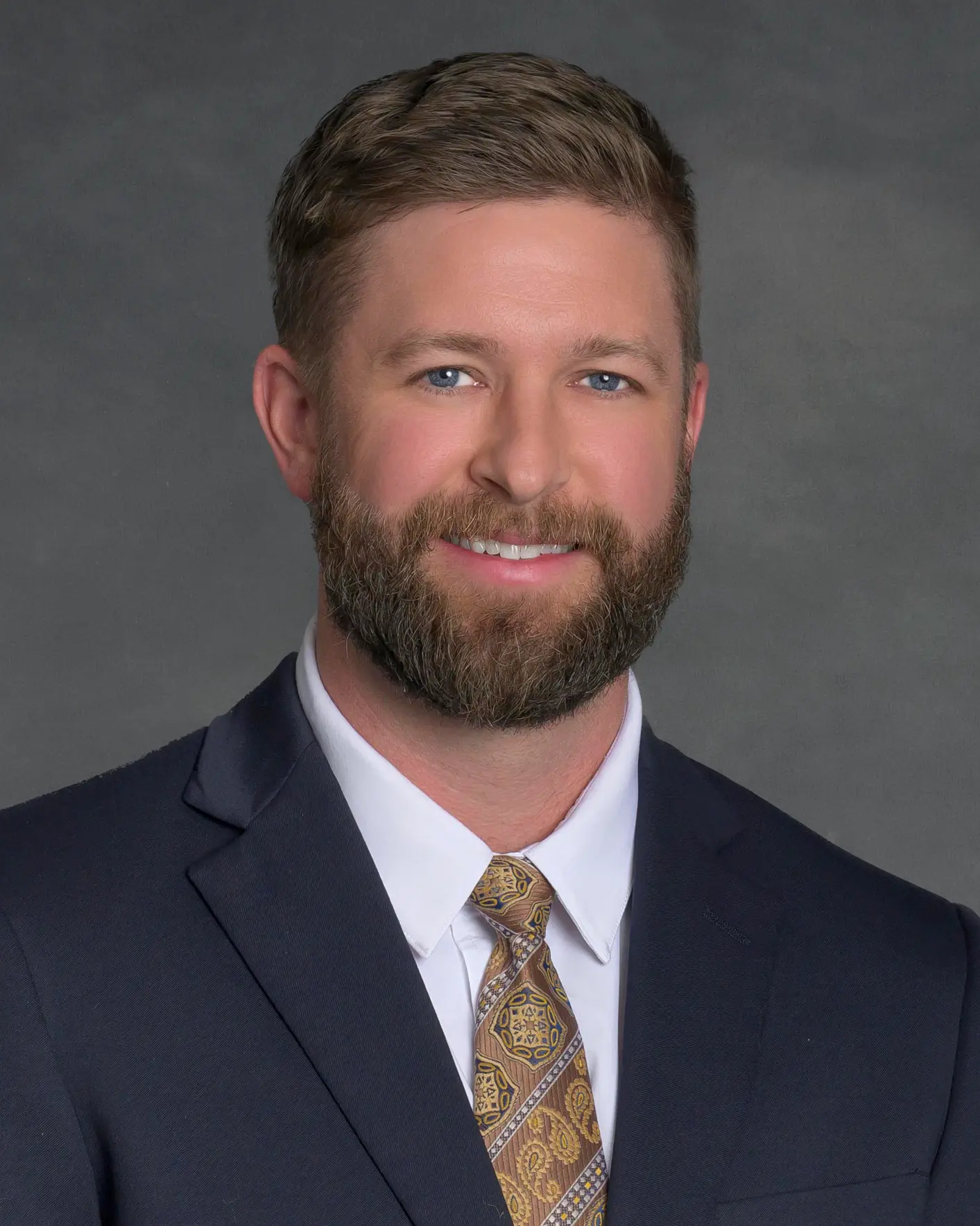
Jordan Willis, MD
Orthopedic Surgery
Dr. Willis joins the OrthoKansas clinic at Newman Regional Health, providing orthopedic care to Lyon County and the surrounding area. He earned his undergraduate degree from Kansas State University and his medical degree at the University of Kansas Medical Center. Dr. Willis completed an orthopedic surgery residency at the University of Kansas School of Medicine in Wichita, followed by a fellowship in orthopedic sports surgery at Mississippi Sports Medicine in Jackson and Tulane University in New Orleans.
During residency, Dr. Willis worked as an Assistant Team Physician for Newman and Wichita State Universities and served as the Assistant Team Physician for the Wichita Force, a semi-professional indoor football team, and the Wichita Thunder, a minor league hockey team. He served as a team physician for the University of Mississippi and Tulane University during fellowship. Dr. Willis is a member of the American Orthopaedic Society for Sports Medicine, American Academy of Orthopaedic Surgeons and the Mid-America Orthopaedic Association.
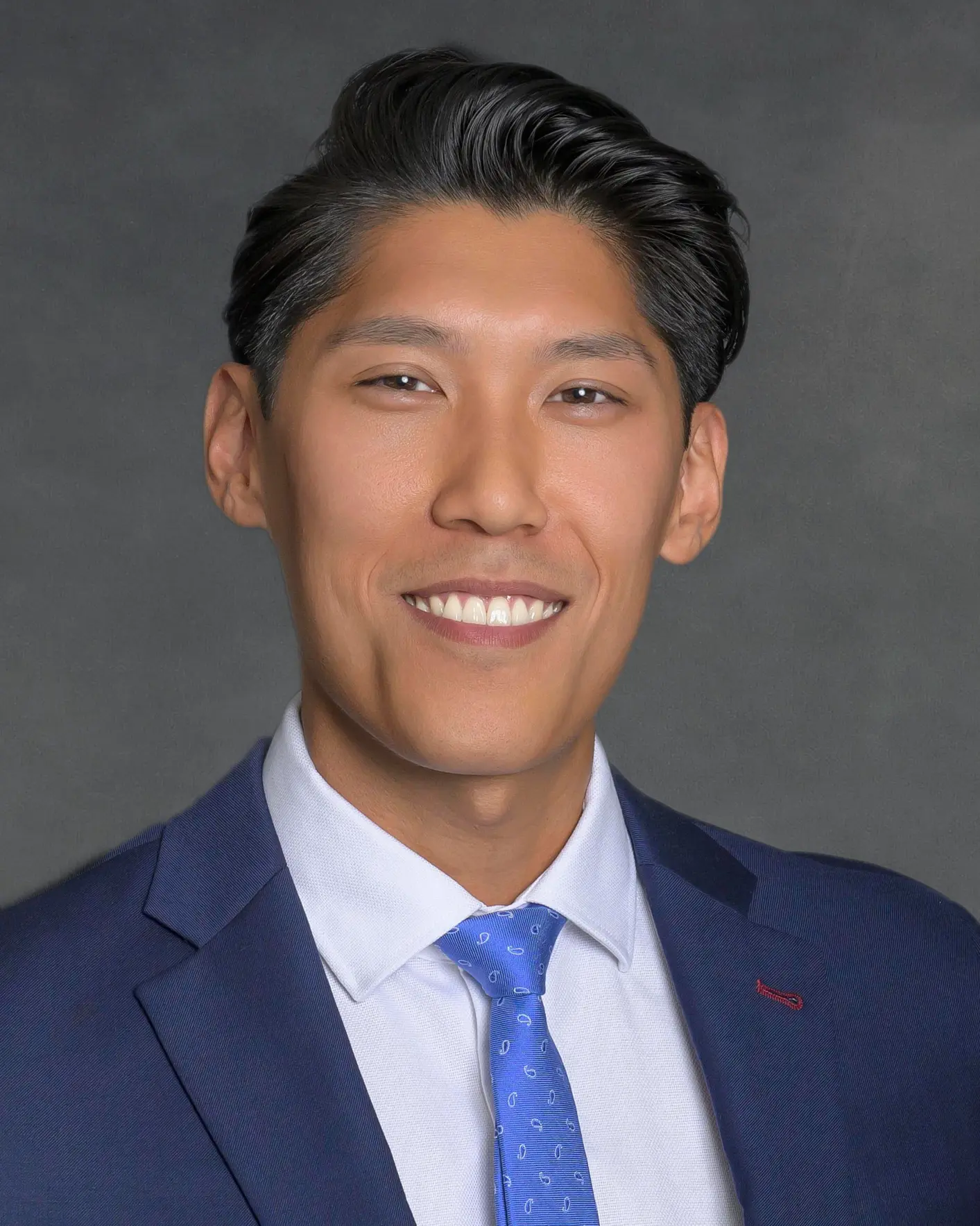
Ryan Xiao, MD
Orthopedic Surgery
Ryan Xiao, MD, earned his undergraduate degree from the University of Kansas and his medical degree at Harvard Medical School. He completed a residency in orthopedic surgery at the Icahn School of Medicine at Mount Sinai, and a fellowship in hand and upper extremity surgery at Harvard Beth Israel Deaconess Medical Center. He is a member of the American Academy of Orthopedic Surgeons.
“Growing up, I played tennis and swam. I have had my fair share of orthopedic injuries and understand what it is like to be a patient. One of the reasons I chose to go into medicine was because I wanted to help people and to see it improve their lives.”
Xiao specializes in non-surgical and minimally invasive surgical treatment of the upper extremities, including treatment of arthritic disorders of the hand, wrist, and elbow; repair of fractures and ligaments; nerve reconstructions; and microvascular surgeries.
“What I enjoy most is watching my patients’ recovery and getting back to doing what they love.”
Emily Heronemus, DO
Sports Medicine
Dr. Emily Heronemus is board-certified in family medicine and fellowship-trained in primary care sports medicine. She provides patients of all ages with comprehensive sports care, concussion care, uses ultrasound for evaluations and injections and treats a variety of conditions affecting muscles, bones and joints.
“I was an athlete growing up, playing a number of sports, and I played softball in college,” she said. “I’ve had injuries so I’m able to sympathize with patients and can understand what they’re going through in their process of healing.”
Dr. Heronemus received her bachelor’s degree from Bethany College in Lindsborg and earned her medical degree from the Kansas City University of Medicine and Biosciences. She completed a family medicine residency at Via Christi Family Medicine and her fellowship at Via Christi Sports Medicine. She sees patients at OrthoKansas and also works with athletes in the training room at Baker University in Baldwin City.
“Choosing OrthoKansas gives you a way to stay within your community and receive care,” she said. “We can provide medical care, imaging, and physical therapy - all in a one-stop shop. Our caring, compassionate, dedicated team - from the front desk, to physical therapists and physicians – work together to give you a personalized experience.”